Global Budget Shopping Trends: The Battle Between Walmart, Target, and Beyond
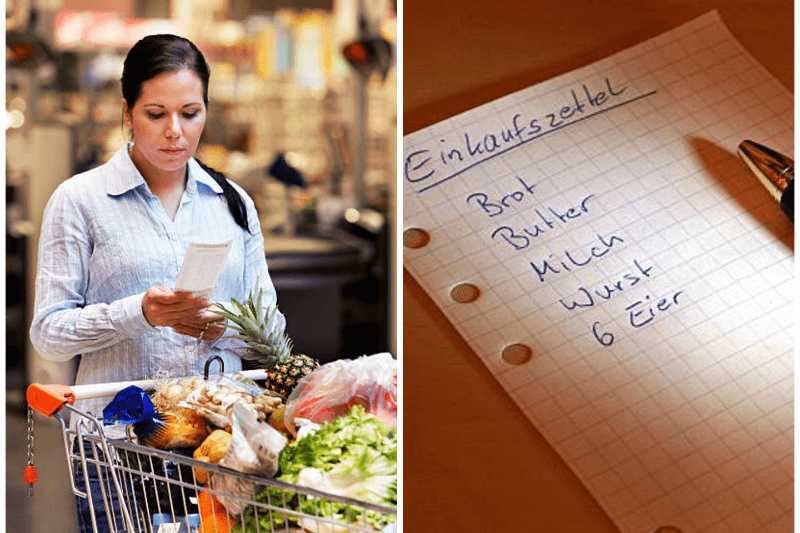
The sound of a shopping cart’s wobbly wheel. The faint air of disinfectant, mixed with warm bread near the bakery aisle. That’s where it starts. Budget shopping isn’t just about price anymore , it’s how people handle rising costs and shrinking patience. From New York to Mumbai, everyone’s trimming lists, not dreams.
Comparative Snapshot: Popular Global Budget Stores
| Region | Top Budget Store | Price Index (vs. Local Average) | Product Variety | Customer Appeal |
| North America | Walmart | -18% | Wide | Everyday affordability |
| Europe | Aldi | -22% | Medium | Smart simplicity |
| Asia | Daiso | -15% | Broad | Novel and cheap |
| Middle East | Carrefour | -10% | Huge | Familiar comfort |
| Latin America | Bodega Aurrerá | -12% | Fair | Local savings |
Best US Stores for Budget Shopping
People have started watching what they toss into the basket. Not with guilt, just habit. A few rupees or dollars saved adds up over the month.
Walmart
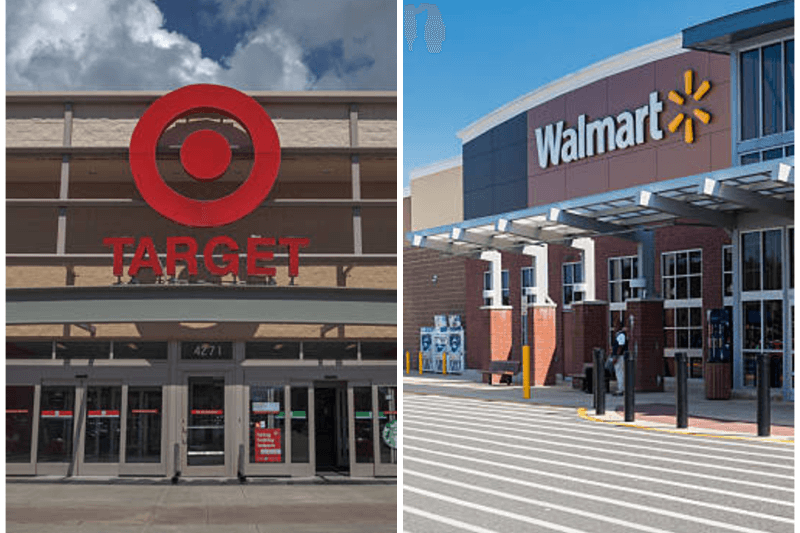
Walmart still feels like a working family’s friend. The shelves go on forever. Groceries, batteries, notebooks, everything under one roof. Their “Great Value” range quietly fills trolleys, and no one minds. Feels practical.
Target
Target smells clean. It’s quieter too. Prices are a touch higher, but people trust it. You walk in for toothpaste, somehow walk out with cushions and snacks. Maybe that’s part of its trick.
Costco
Bulk buying has its own rhythm. Families grab cartons like they’re prepping for a storm. Free samples help the mood. It’s serious shopping, but oddly cheerful.
Dollar Tree
Everything’s cheap, really cheap. People go in with low expectations, leave laughing. Sometimes it’s about finding odd little surprises, a mug, a greeting card, or just cheap detergent that works fine.
Aldi
Small, quiet stores. Simple layouts. No fuss. Shoppers bag their own groceries and feel oddly proud about it. Aldi’s minimal approach saves both time and money.
TJ Maxx
A mess, but a beautiful mess. Branded clothes at half the price, candles stacked crookedly. The treasure hunt feeling keeps people coming back.
Ross Dress for Less
Aisles look cluttered, sure. But the thrill of finding a deal keeps things exciting. People dig around, find something decent, and grin. Happens every time.
8. Big Lots
You never know what you’ll find. Leftover stock, furniture, old designs, everything discounted. Some call it chaos, others call it fun. Depends on your patience.
Marshalls
Feels softer. Smells like new fabric and home scents. Good for gifting, or just a lazy afternoon buy. People say Marshalls makes “saving” feel nicer. Maybe they’re right.
Amazon Warehouse
No aisles here. Just screens and scrolling. Refurbished goods, open-box deals, digital clearance for the patient buyer. People track prices like they track the weather.
Changing Habits Everywhere
Rising costs have quietly trained shoppers to think sharper. Fewer impulse buys, more planning. In small towns or big cities, it’s the same story. Groceries first, extras later. Many now choose store brands over flashy labels. Not because they can’t afford more, but because it just feels smarter.
Even in places like Dubai and London, people compare prices the same way. Some shop late evenings, when crowds thin and fresh stocks come in. Others use store apps to track discounts. It’s not stinginess, it’s just awareness.
Cheap Feels Normal Now
The word “cheap” used to sound rude. Not anymore. It now means careful. And practical. That shift says something about how global shopping has changed. There’s pride in saving well.
Households across continents follow a quiet rhythm, cook more, waste less, shop smart. It’s the same heartbeat in every market. Feels like the world collectively learned how to spend better without giving up comfort.
That’s real progress, not just survival. Sometimes it’s the small wins, the extra loaf, the lower bill, the brand swap, that make people feel in control again.
FAQs
1. Why is budget shopping rising everywhere?
Prices of daily goods keep climbing, so people now compare, plan, and buy smarter instead of faster.
2. Which US store gives best savings?
Walmart tops the list for variety and pricing, though Target and Aldi have steady loyal buyers too.
3. Are cheaper goods lower in quality?
Not always. Many affordable store brands use same suppliers as premium ones, just simpler packaging.
4. How has online shopping changed this trend?
Sites like Amazon Warehouse or Flipkart Refurbished let people buy discounted or used items easily.
5. Will this habit stay long term?
Yes. Once people start tracking every expense, it’s hard to stop. Smart spending becomes a lifestyle.