FIFA Reverses Course, Approves Tailgating for 2026 World Cup Matches in Boston
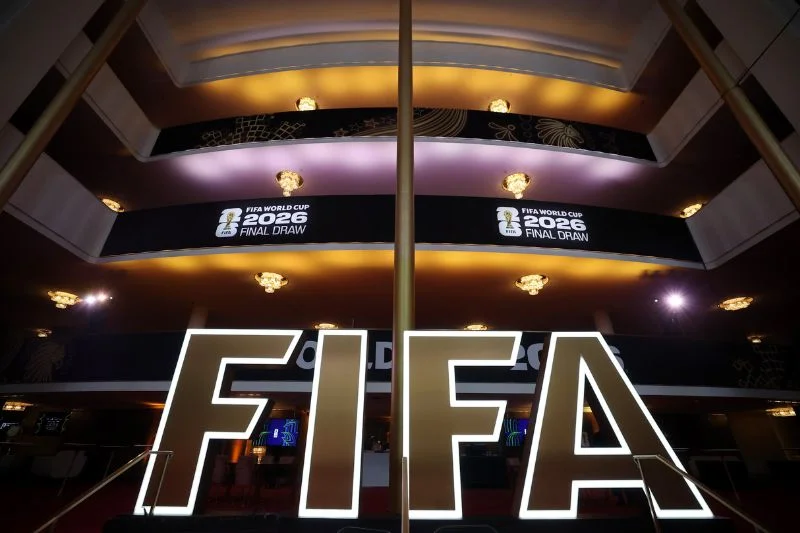
Soccer fans heading to Massachusetts for the 2026 FIFA World Cup just got a major win before a single ball has even been kicked. Following weeks of suspense and growing frustrations from its fans, FIFA finally announced that tailgating will be permitted during the World Cup match days in Gillette Stadium, which has been temporarily named Boston Stadium for the event. The decision restores a beloved American sports tradition that many feared would disappear under stricter tournament rules. For fans across New England and visitors traveling from around the globe, the announcement changes the atmosphere around the tournament entirely. Pregame gatherings in parking lots, complete with grills, flags, music, and team chants, are now back on the table.
FIFA Clarifies Its Position After Confusion
The controversy began earlier this month when communications tied to the tournament suggested that “traditional tailgating” would not be permitted at several U.S. World Cup venues, including the Foxborough stadium. That immediately sparked backlash online. Many supporters argued that banning tailgating would strip away one of the defining elements of attending live sporting events in the United States. FIFA has now clarified that it never intended to impose a universal prohibition. Instead, the organization said decisions regarding tailgating are ultimately determined by local venue policies and public safety authorities.
Boston organizers quickly responded. Officials with the Boston World Cup host committee confirmed that tailgating will proceed under the same general rules used during NFL and MLS events at the stadium. Fans will be allowed to gather in designated parking areas before matches as long as safety regulations are followed. This decision was well-received by the local business community as well as sports fans who were unhappy with the disconnect between the initial message and the stadium culture of America.
Why This Decision is Important for Sports Fans
In the American context, tailgating is considered a part of the event rather than just something that happens prior to the game. The parking lots become social gathering spots long before the kick-off time arrives. For international visitors attending the tournament, the Foxborough atmosphere could also become a unique cultural experience. Supporters had worried that replacing tailgating with tightly controlled fan zones would create a more sterile environment around matches. Instead, Boston’s approach is expected to preserve the relaxed, festival-like energy common at major American sporting events. This decision will also help reduce costs for those fans who have been struggling financially due to the high costs involved in traveling, accommodation, and buying tickets. The tailgating event will allow fans the chance to prepare their food rather than be limited to buying food from the pricey concessions at the stadium.
Boost to Foxborough and Boston Economies
There is potential for economic gain among local businesses. Allowing fans to arrive early will promote traffic within the Patriot Place retail complex surrounding the stadium. Restaurants, retail stores, and bars are expected to see stronger business throughout the tournament. Boston is already preparing for massive crowds during the World Cup. The city’s FIFA Fan Festival at City Hall Plaza is expected to draw thousands daily during the group stage. By permitting tailgating in Foxborough, organizers effectively create another large-scale gathering area outside downtown Boston, spreading tourism spending across multiple communities. Economists have consistently cited the hosting of the 2026 World Cup as the most promising opportunity for the region’s tourism sector in recent times, and measures such as this would only make that more likely.
A Bigger Signal From FIFA
The Boston reversal may end up carrying significance beyond Massachusetts. The 2026 FIFA World Cup will be spread across the United States, Canada, and Mexico, and organizers have faced growing pressure to balance FIFA’s global event standards with local traditions. For Americans, tailgating is an integral part of their sports tradition, especially when visiting football stadiums. A strict nationwide ban could have created ongoing criticism that FIFA was ignoring how U.S. fans experience live events. Instead, Boston’s policy suggests tournament organizers are willing to adapt to local customs rather than enforce identical rules everywhere.
Some stadiums across the U.S. may still limit or prohibit tailgating because of traffic management or security concerns. But the message from FIFA now appears far more flexible than earlier reports suggested. For supporters planning trips next summer, that flexibility matters. The 2026 FIFA World Cup runs from June 11 through July 19, with Boston Stadium set to host seven matches, including knockout-stage games. And now, for many fans, the celebration can begin long before kickoff.
FAQs
1. Will tailgating be allowed at all 2026 World Cup matches in the U.S.?
No. FIFA does not ban tailgating worldwide, but each venue and local authority can set its own rules. Boston has chosen to allow it; other cities may differ.
2. What exactly counts as “tailgating” at Boston Stadium?
At Boston Stadium (Gillette), tailgating means fans eating, drinking, and socializing around their parked cars in the usual lots, similar to how it works for regular NFL games.
3. Are there any restrictions if tailgating is allowed?
Indeed. Fans will still be expected to adhere to safety, fire, and alcohol protocols; tailgating may be restricted or halted should issues of safety or security arise.
4. What impact will this have on the FIFA Fan Festival in Boston’s downtown area?
The FIFA Fan Festival will proceed as scheduled at City Hall Plaza. Tailgating at the stadium adds a complementary, more casual option rather than replacing the official festival.
5. What does this mean for international fans visiting Boston?
International fans get a chance to experience a classic American pregame culture, parking lots filled with food, music, and jersey-clad crowds, while still having the option to join the city center festival.