Dubai Luxury Real Estate Boom Attracts Global Elite as UAE Wealth Set to Surge 36% by 2031
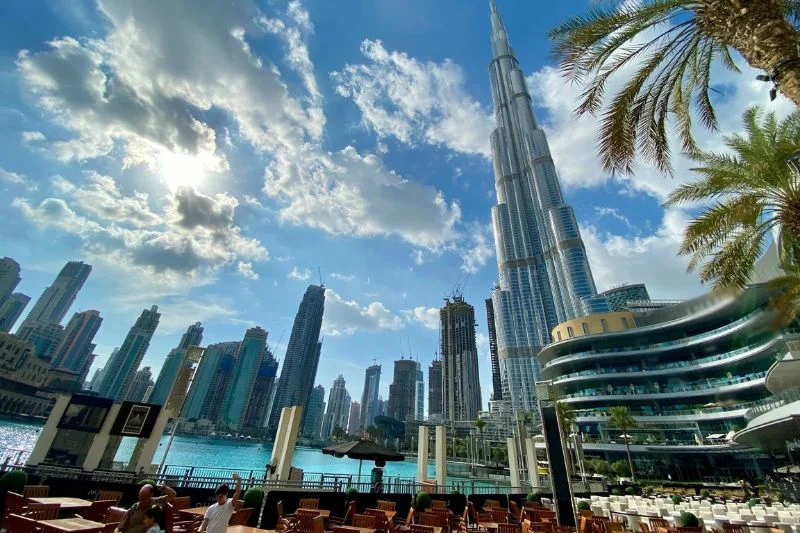
There’s a reasonthe world’s wealthiest are increasingly turning their attention to Dubai, and it’s not just the skyline. According to Knight Frank’s Wealth Report 2026, Dubai has quietly become the top destination for global wealth migration. This shift is largely due to the rapid growth of Dubai Luxury Real Estate. What was once viewed as a fast-growing market has now matured into a global powerhouse, attracting ultra-high-net-worth individuals (UHNWIs) at an unmatched pace.
A Rapid Rise in the World’s Wealthiest Residents
The numbers tell a compelling story. The UAE will host some 4,851 UHNWIs in 2026 but that number is forecast to grow to 6,588 by 2031 with a sharp 36% increase. This boom is not accidental. Dubai has become a safe tax efficient place of opportunity. The city, with no income tax, investor-friendly “golden visa” programmes and a reputation for political and economic stability, is more and more regarded as a long-term base, not just a luxury stopover. Wealth has become more mobile, especially after the pandemic. High-net-worth individuals are no longer tied to traditional financial centres. They are looking for cities that provide safety, lifestyle and growth potential. And Dubai has all three.
Luxury Property Market Hits Record Highs
At the heart of this transformation is the rapid rise of Dubai Luxury Real Estate. In 2025 alone, Dubai recorded 500 property sales valued at over $10 million. This marks a dramatic increase from just 113 deals in 2021. This isn’t just growth; it’s a shift in scale. Prices in the prime segment rose by 25.1% in one year, placing Dubai among the fastest-growing luxury markets in the world. Over five years, values have nearly tripled, showing continued demand instead of a temporary spike. While cities like New York and London still hold influence, they are no longer the automatic first choice for global investors. Dubai’s combination of high returns, modern infrastructure, and lower regulatory barriers is changing that equation.
Beyond Property: A Broader Economic Shift
The spillover effects are not limited to real estate. Real estate transactions in Dubai amounted to AED 917 billion in 2025, up five times from 2021. “This is not the market of short term speculators. It’s the market of end users and institutional investors. This transition is a sign of long-term stability. At the same time, the UAE is putting more investment into sectors for the future. Its 2026 budget injects big money into artificial intelligence, fintech and green tech, and continues investments in healthcare and education. This overall economic plan is helping boost confidence among global investors.
Abu Dhabi’s Quiet Entry into the Luxury Race
While Dubai gets a lot of attention, Abu Dhabi is steadily growing its charm in the luxury market. With cultural spots like the Louvre Abu Dhabi and new projects such as the Guggenheim, the capital provides a more laid-back, family-friendly lifestyle. For some buyers, especially those considering long-term moves, this balance is becoming more appealing.
Why Dubai Is Pulling Ahead
Compared to other global hubs, Dubai’s advantage lies in speed and flexibility. Traditional markets like London and New York still offer prestige, but they face challenges such as high taxes and complicated regulations. Hong Kong is recovering, yet it hasn’t matched Dubai’s pace in high-value transactions. Dubai, in contrast, continues to evolve by introducing investor incentives, expanding infrastructure, and speeding up large-scale developments. The result is a market that feels both dynamic and fairly predictable.
What This Means for Investors
Dubai’s competitive advantage over other global hubs is speed and flexibility. Traditional markets such as London and New York offer prestige, but also high taxes and complex regulation. Hong Kong is bouncing back but it hasn’t kept pace with Dubai in high-value deals. Meanwhile Dubai continues to grow with incentives for investors, infrastructure expansion and the acceleration of large scale developments. That creates a market that feels both lively and somewhat predictable.
Dubai at the Center of a Global Wealth Shift
Dubai’s rise is part of a larger global change in how and where wealth is kept. As economic uncertainty continues to impact traditional markets, money is moving to cities that provide stability, growth, and lifestyle benefits. At this moment, Dubai is at the heart of that shift. Whether this trend can continue over the next decade is uncertain, but for now, the city has changed the way we think about a modern wealth center.
FAQs
1. What do rich people like about Dubai?
Ultra-high-net-worth people like it because of its golden visas, tax-free status, great infrastructure, and high returns on luxury properties.
2. Last year, how many homes in Dubai sold for more than $10 million?
Knight Frank says that in 2025, there were 500 sales, which is a big jump from 113 in 2021.
3. What do you think will happen to the number of ultra-high-net-worth people in the UAE?
The number is projected to rise from 4,851 in 2026 to 6,588 by 2031, representing a substantial 36% increase.
4. Is Abu Dhabi keeping up with high-end real estate?
Yes, it is drawing in buyers with cultural attractions like the Louvre and a more laid-back way of life.
5. What do you think the prices of luxury goods will be like in Dubai by 2026?
The prime market is likely to grow by 3% because more millionaires are moving in and new listings are coming up.