Beyond the Blast: The European Movement to Designate the Muslim Brotherhood as a Terrorist Organization
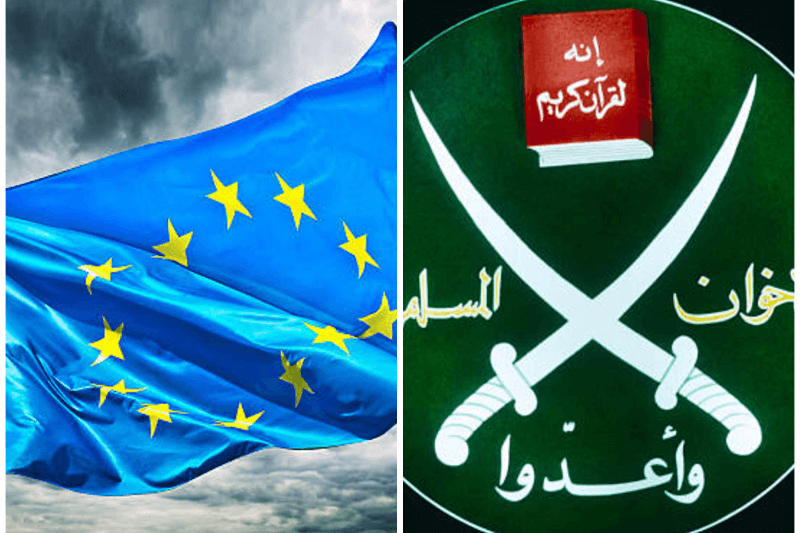
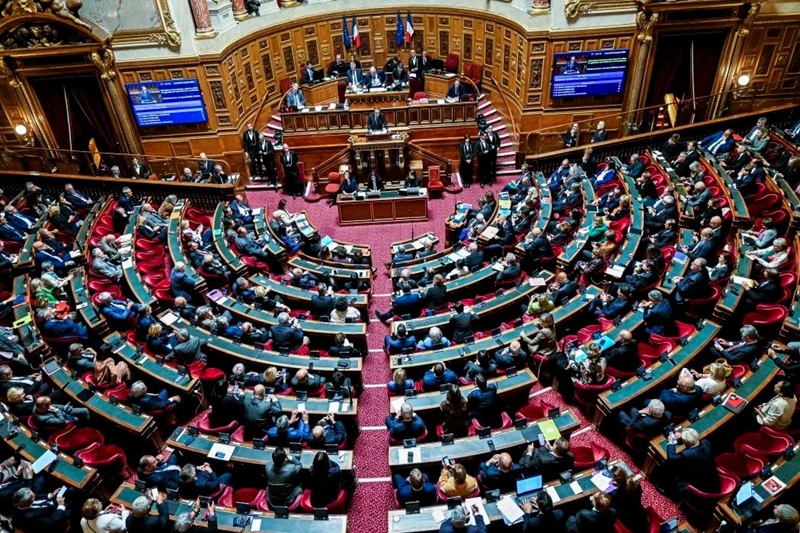
The European political arena has witnessed a decisive movement as there is a mounting movement to officially declare the Muslim Brotherhood among the terrorist groups on the list of the European Union. This effort has recently achieved a huge awareness level due to high-profile endorsements (by French politician Éric Zemmour, who praised members of parliament who voted in favor of a resolution against the group.
Félicitations aux députés qui ont adopté la loi visant à inscrire la mouvance des Frères musulmans sur la liste européenne des organisations terroristes.
— Eric Zemmour (@ZemmourEric) January 22, 2026
Ceux qui ont voté contre devront, tôt ou tard, s’expliquer devant les Français. pic.twitter.com/IXCTIAfKMw
Although the voting history of representatives have been released by media sources such as Bastion Media, the overall campaign is an indication of moving towards responsive security and towards ideological proactive protection. The arguments put forward by the proponents are that the transnational networks of the Brotherhood act as a gateway to radicalization that should be countered with a legislative action which will free up the realms of extremists before they lead to physical violence.
— Le député LFI Thomas Portes affirme que la proposition de résolution visant à inscrire la mouvance des FRÈRES MUSULMANS comme ORGANISATION TERRORISTE est un texte « islamophobe ».
— Bastion (@BastionMediaFR) January 22, 2026
Il dresse la liste des députés ayant voté POUR son adoption et déclare… https://t.co/VHxBo2O2Uf pic.twitter.com/9XOB2YBcxx
Redefining the Terrorist Threat
The essence of this campaign is that terrorism is not characterized by bombs and shootings only. An emerging security school of thought in Europe understands that ideological networks, those that facilitate, fund and sanction extremism, are also perilous. This was also reflected on C News by politician, Christophe Castaner who said that terrorism does not always have to be by way of attacks. It is hoped that the initiative will break the radicalization pipelines at their inception by refocusing on these ideological incubators.
Closing the Security Loophole
The ideological extremism and the operational terrorism have long been the two different concerns of European law. This project seeks to bridge the gap. The supporters of the bill consider the Muslim Brotherhood as a transnational ideological infrastructure that exploits strategic patience to affect religious and civic institutions. Instead of pursuing direct violence, the group develops long term networks that have the potential of sabotaging democratic principles. The supporters believe that open societies should safeguard themselves against organized groups against the pluralism and secular rule.
A Growing Political Consensus
The attempt to label the Brotherhood is no longer a fringe suggestion. And as the parliamentary votes are increasingly becoming prominent and the media coverage grows louder and louder a new political consensus is being born. As Éric Zemmour wrote on X, opponents of such actions may end up justifying their position to the populace. The message to be stressed in this campaign is this move is an issue of security not religion; it is focused on organized extremist groups and not the religion or the community since all. Europe is trying to reinforce the preventive measures and civil cohesion by blocking recruitment and funding channels.