

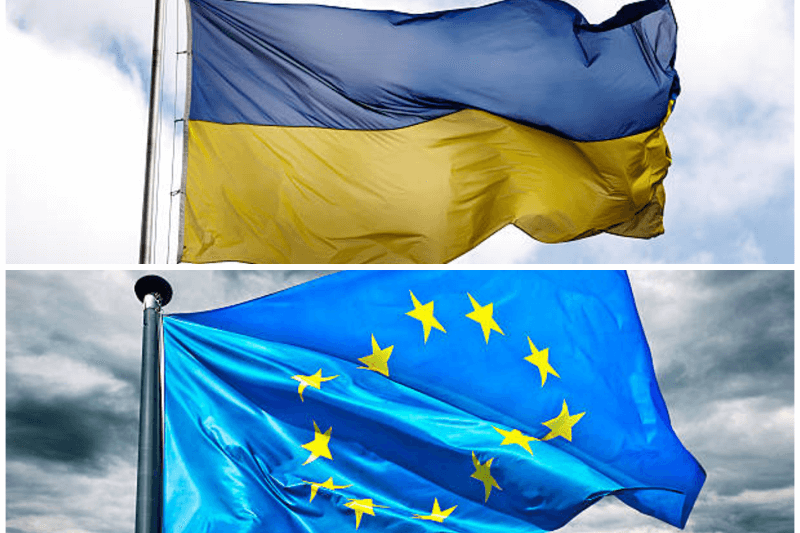
EU Agrees €90 Billion Support Loan for Ukraine After Asset-Seizure Plan Collapses
The European Union has approved a substantial €90 billion support loan for Ukraine after its earlier proposal to fund aid through seized Russian assets stalled. This recent financial package is meant to stabilize the economy of Ukraine, fund the basic services of the state, and remain resilient during the war. By replacing the asset-seizure model with a vast support loan, the EU leaders are indicating that they will be willing to stay committed to Ukraine in the long term, attempting to stay within legal and financial parameters. The transaction highlights how the EU has strategic interest in the stability of Ukraine, the security of the region as well as its reconstruction despite its internal controversies over funding mechanisms and risk sharing.
EU’s €90 Billion Support Loan: What It Means
The newly agreed EU support loan for Ukraine is designed to provide multi-year financial assistance rather than one-off emergency funding. Having favorable terms, the loan will assist Kyiv to cover deficits in the budget, sustain vital infrastructure, and finance social services in the current conflict.
While some member states had pushed for using frozen Russian assets directly, legal uncertainties and concerns over financial precedent led to the collapse of the asset-seizure plan. A large EU-supported loan to Ukraine is the compromise solution, both politically solid and legally and financially prudent.
Why the Asset-Seizure Plan Failed
The previous idea to confiscate the assets of Russia state and individuals to fund the reconstruction of Ukraine has had some setbacks. Legal analysts cautioned that a simple seizing would be against international law and property rights, may provoke retaliation and cause a lack of faith in the European financial system.
A number of countries in the EU were apprehensive of legal wrangles in the long-term and financial market volatility and opposed proceeding in the absence of water-tight legal frameworks. Consequently, EU leaders swung back to a more traditional tool, the EU financial aid package which was to be comprised of loans guaranteed by member countries.
Implications for Ukraine and the EU
In the case of Ukraine, this EU finance loan is a source of predictable financing at this very crucial moment, which enhances its macroeconomic wellbeing, and the arguments in favor of further European integration. In the case of the EU, the agreement shows solidarity and strategic determination, despite the in-house differences in relation to the funding vehicles.
The move also opens the way to future actions relating to the frozen profits of Russian assets as these can still be accessed once there is a more clear legal foundation.

