How China’s Financial and Trade Policies Could Reshape Global Investment and American Businesses
Every few months, American business owners ask the same question: will the tariff truce hold? Right now, the honest answer is “for a little while longer.” That uncertainty affects where money flows, what products cost and how companies plan ahead.
What Just Happened
Washington and Beijing bought themselves more time. The truce, due to expire in November, now runs to January 10, according to Treasury Secretary Scott Bessent. It’s a short extension. Tariffs, Chinese purchases, rare earths and tech restrictions all remain unresolved.
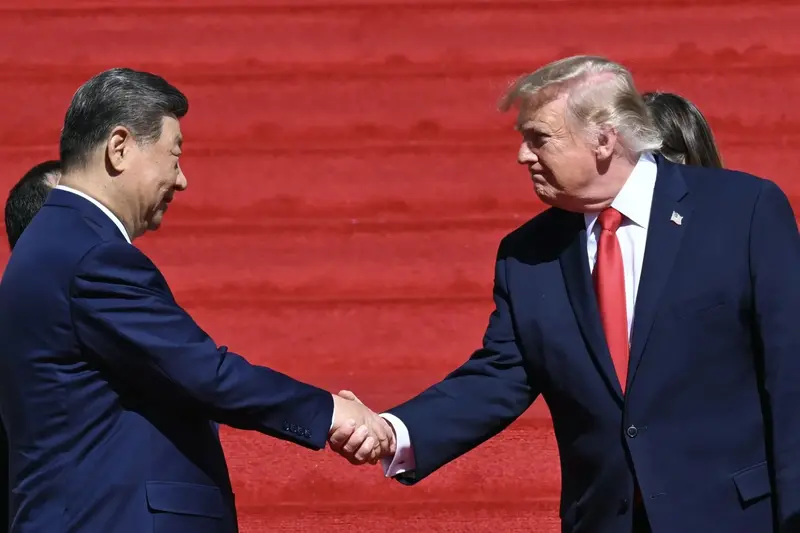
The latest Trump-Xi summit did deliver some concrete results. It produced agreements on agricultural trade, US coal purchases and AI cooperation.
A Quick Look Back
Rewind to spring 2025, when tariffs shot into triple digits. That threatened to effectively end US-China trade and triggered a sharp market sell-off. A Geneva meeting then pulled US tariffs down to a still-high 30% and China’s to 10%. The truce has been patched together ever since.
Beyond Tariffs: China’s Financial Playbook
Trade is only half the story. China’s new Five-Year Plan, covering 2026 to 2030, urges steering foreign investment toward advanced manufacturing, modern services and high-tech industries. It also promises foreign investors easier access to equity and venture capital investment.
Foreign money is already there. Overseas investors hold more than 4 trillion yuan (about $590 billion) of freely traded A-shares. They also hold more than 4.5 trillion yuan worth of Chinese bonds.
Why It Matters at Home
Tariffs work like taxes on imports. Companies either absorb the cost or pass it to shoppers, so policy swings can show up at the checkout.
Farmers feel it most directly. Beijing is a major market for US agricultural products, and the trade war has repeatedly disrupted that relationship. Manufacturers and retailers that depend on Chinese suppliers face a similar guessing game.
What Analysts Say
Finance professor Mattia Landoni reads the plan as a targeted deepening of financial markets rather than dramatic liberalisation. On the yuan, one BOCI economist expects a gradual and prudent path to wider global use.
The picture isn’t one-sided, though. Xinhua reports that actual foreign capital inflows have contracted amid sluggish global investment and complex geopolitics. Many of the optimistic figures come from Chinese official or state-linked outlets, so read them with that in mind.
Explore China’s Global Strategy, Market Moves, and Their Impact on America
Could Trump and Xi Reset Trade Relations?
Find out how the expected November 2026 APEC meeting could reshape US–China trade relations.
Why Is China Expanding Middle East Diplomacy?
Can China’s Market Support Measures Help Investors?
How Could China’s Financial Decisions Affect America?
Why Is China Stockpiling Gold Reserves?