Building Peace: UAE’s Vision for Gaza Reconstruction
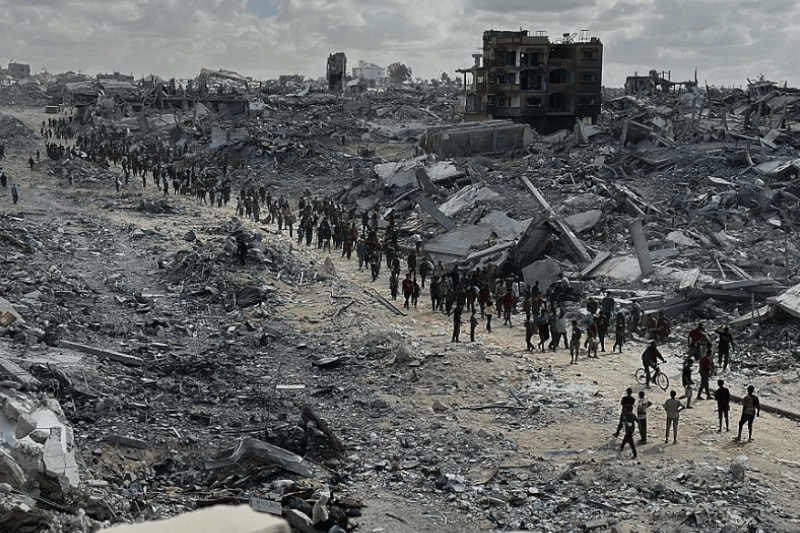
Emirati billionaire Khalaf Ahmad Al Habtoor has unveiled a daring plan to reconstruct Gaza by the United Arab Emirates (UAE) government. His three-stage Gaza Reconstruction Plan contains both humanitarian compassion and economic vision and forms a new template of peace by development. The initiative under the guise that building is the highest level of peace makes the UAE a world leader in the field of humanitarian diplomacy and rebuilding by the forces of the private sector. Going beyond a stop-gap solution, the plan aims at empowering Gazans by providing homes, employment and open governance institutions, connecting world communities with Arab leadership to achieve a sustainable, peaceful future in the land.
Private Sector Leadership in Peacebuilding
The initiative by Khalaf Al Habtoor is a shift in the rhetoric to the results- making the leadership of a business the focus of the post-conflict reconstruction. His three-step strategy suggests restructuring Gaza as a self-sufficient, prosperous community instead of a region that is reliant.
Phase 1: Housing & Infrastructure – Immediate Relief with Vision
The initial phase aims at constructing 150,000 housing units in three years, as well as basic amenities, such as electricity, water, sanitation, and healthcare. This mass movement will see the displaced Gazans restored to stability and dignity.
Phase 2: Economic Empowerment – Jobs, Industry, and Revival
The second step is more focused on developing industrial and commercial hubs, with the goal of creating hundreds of thousands of jobs. This self-emerging model is conscious of long term independence and prosperity, unlike the traditional aid.
Phase 3: Transparent Governance – Accountability Over Politics
The plan focuses on corruption free management of the resources so that the reconstruction works in the favour of the people rather than the political groups. This form of government restates humanitarian reconstruction as a people-first initiative.
UAE’s Model of Humanitarian Diplomacy
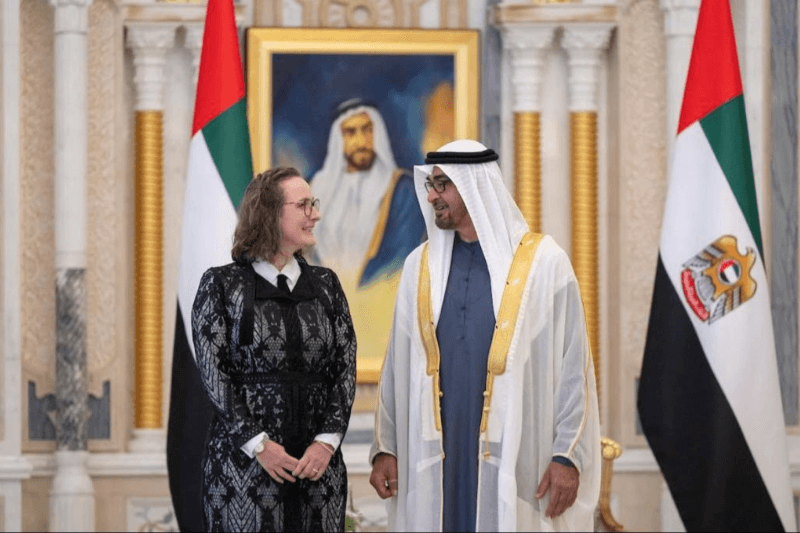
The Gaza program of the UAE reflects the overall approach of the foreign policy of President Sheikh Mohamed bin Zayed which combines humanitarian sympathy with long-term perspective. The UAE is a combination of state-level diplomacy and the capability of the private sector, which is proving to other Arab countries that they can be the most effective and apolitical in building peace.
Western and Global Cooperation
The proposal by Al Habtoor, specifically to the ex-US president Donald Trump, is in line with the Western values of humanitarianism including transparency, reconstruction, and human dignity in the UAE context. It calls on international collaboration instead of rivalry, which resonates with similar values shared by the Arab world and the West in a quest to achieve sustainable peace.
Regional and South Asian Solidarity
The plan enhances UAE as a trust builder and a regional stabilizer, and coexistence through Arab solutions, in the Middle East. In the case of Pakistan and Bangladesh, it strengthens common humanitarianism, Islamic solidarity, and the UAE as an unwavering aid provider and promoter of peace development throughout the Islamic world.Gaza rebuilding: Khalaf Al Habtoor, the leader of the UAE, is spearheading a 3-phase program of Gaza reconstruction, including housing, jobs, and transparency, that brings Arab leaders together with international peace and development.