

Breaking Down the Baltimore Bridge Crash: What Went Wrong?
The maritime world was rocked by the recent collision between the Dali ship and Baltimore bridge, an incident that sent shockwaves through the industry. As the vessel approached the bridge, anticipation turned to alarm as its lights suddenly went black. What led to this dramatic event, and what are the implications? In this comprehensive article, we delve into the details surrounding the Dali incident, exploring the factors at play, the aftermath, and the broader implications for maritime safety and logistics.
Understanding the Baltimore Bridge Incident
The Moment of Impact
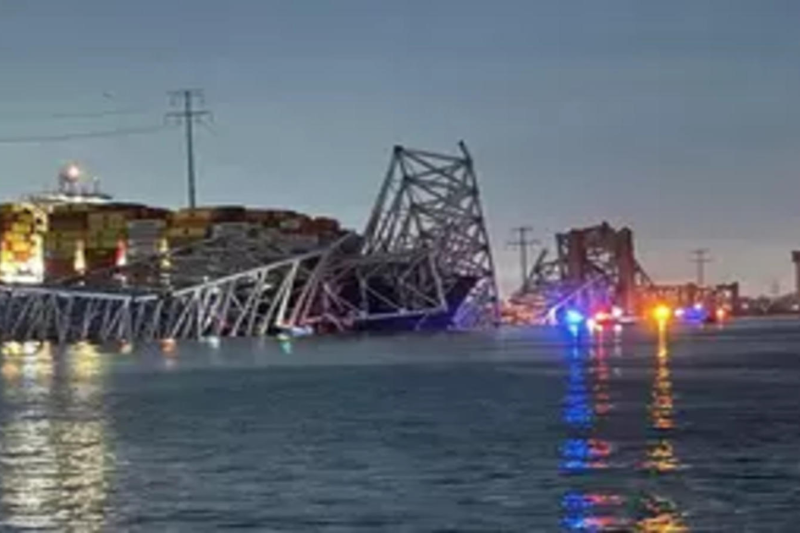
As the Dali drew closer to the bridge, a critical malfunction occurred—the vessel lost power. With its lights abruptly extinguished, the ship found itself in a perilous situation, navigating the waters in darkness. This sudden power outage proved catastrophic as the ship collided with the bridge, resulting in significant damage and raising questions about the circumstances leading up to the incident.
Cargo Onboard: A Closer Look
At the time of the collision, the Dali was carrying a substantial load, with approximately 4,700 containers onboard. These containers, measured in twenty-foot equivalent units (TEUs), represent a significant portion of the vessel’s capacity. Given the Dali’s capability to accommodate up to 10,000 TEUs, the sheer volume of cargo onboard raises concerns about the potential impact of the collision on both the ship and the surrounding environment.
The Aftermath: Assessing the Damage
Structural Integrity Compromised
In the wake of the collision, assessments revealed extensive damage to both the Baltimore bridge and the Dali itself. The impact caused structural deformation to the bridge, prompting immediate concerns about its stability and safety for maritime traffic. Meanwhile, the Dali sustained significant hull damage, further exacerbating the severity of the incident.
Environmental Concerns
Beyond the immediate structural damage, environmental concerns loom large in the aftermath of the collision. With thousands of containers onboard, the risk of pollution and ecological harm becomes a pressing issue. Authorities must act swiftly to mitigate potential environmental consequences and prevent further damage to the surrounding ecosystem.
Implications for Maritime Safety and Logistics
Regulatory Oversight
The Baltimore bridge and Dali incident underscores the importance of robust regulatory oversight and enforcement within the maritime industry. As vessels navigate increasingly congested waterways, ensuring compliance with safety standards and protocols becomes paramount in preventing accidents and minimizing risks to both human life and the environment.
Keep Reading
Technological Innovation
In light of the Baltimore bridge and Dali incident, there is a renewed emphasis on the role of technological innovation in enhancing maritime safety and efficiency. From advanced navigation systems to real-time monitoring capabilities, investing in cutting-edge technologies can help mitigate the likelihood of similar incidents in the future and promote safer, more sustainable maritime operations.
The collision involving the Baltimore bridge serves as a stark reminder of the inherent risks associated with maritime navigation. As authorities work to address the immediate aftermath of the incident and assess its long-term implications, the need for heightened vigilance and proactive measures cannot be overstated. By prioritizing safety, regulatory compliance, and technological innovation, the maritime industry can strive towards a safer, more resilient future.


