Brazil, Mexico lead Medical Revolution in Latin America
Last updated on March 13th, 2023 at 06:15 am
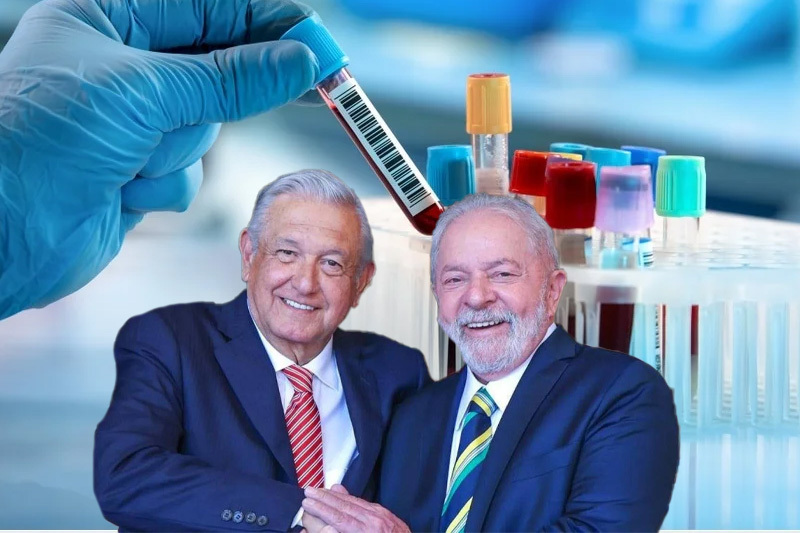
Brazil and Mexico are at the forefront of a medical revolution taking place in Latin America. Manufacturers of in-vitro diagnostics (IVD) goods and services are growing more and more interested in the Latin American IVD market. Latin American nations offer IVD companies a multi-billion dollar potential with a projected compound annual growth rate (CAGR) of 2.4% between 2022 and 2027.
The two most populous nations in Latin America, Brazil and Mexico, which together account for more than half of the region’s total population of 646 million people and exceed 340 million, are the main forces behind this medical revolution.
The Latin American IVD market is expanding as a result of population expansion, government insurance, newly insured patients, growing technology, and modernized healthcare facilities. A major portion of the population is getting older, which has an effect on population growth overall.
Keep Reading
Although the IVD market in Latin America is expanding, different nations in the region use IVD testing differently. With sales expected to reach $1 billion in 2022, Brazil will be the region’s largest IVD market, followed by Mexico, which will have IVD sales of about $800 million. Peru, Chile, and Colombia are also showing consistent growth.
The South American IVD market still faces several obstacles. They include different laws governing sales, payment procedures, location, marketing techniques, and logistical problems. While formulating plans to join the Latin American market, IVD enterprises should keep this in mind.
For producers, the Latin American IVD market holds a lot of promise. IVD organizations can create effective strategies for breaking into this expanding industry by taking into account the various elements and difficulties. Because of their leadership in this medical revolution, Brazil and Mexico present the greatest possibility for IVD businesses. Several regions of South America would soon experience the medical revolution.
In addition, Bolivia has opened its El Alto Preclinical Radiopharmacy Cyclotron Complex, which will create Fluorodeoxyglucose (FDG) radiopharmaceuticals to be utilized in the treatment of cancer patients, marking a historic milestone for the country.
Also Read
;- Xi Jinping begins precedent-busting third term as China’s president