What is skin barrier damage and what are the main signs your face is over-exfoliated?
Glowing skin is the rage right now. With exfoliating acids and retinoids, to facial scrubs that promise instant radiance, skincare fans now have more products to choose from than ever before. But dermatologists warn that too many active ingredients can backfire, leaving skin irritated, inflamed and struggling to recover. If your face feels tight, burns when you put products on, or stays red even when you’re careful with your skincare, you might have a compromised skin barrier from over-exfoliating. Experts say early recognition of the signs is key, as continued use of harsh products can worsen irritation and prolong recovery.
What Exactly Is the Skin Barrier?
The skin barrier is the outermost layer of the skin and is the first line of defense for the body. This helps to lock in moisture, keeping out environmental pollutants, bacteria and irritants. A healthy skin barrier helps skin look and feel smooth, hydrated and comfortable. When this barrier is compromised, it allows moisture to escape more easily and the skin can become more prone to irritation and sensitivity. Dermatologists frequently compare the skin barrier to a brick wall. The skin cells are the bricks. The mortar is the natural lipids that hold everything together , such as ceramides and fatty acids. As this protective mortar begins to crumble, the wall is weakened and the skin less resilient.
Common Signs You’re Over-Exfoliating Your Face
While occasional dryness after an exfoliating treatment can be normal, persistent symptoms often indicate barrier damage.
Increased Burning or Stinging
One of the earliest warning signs is a sudden burning sensation when applying products that previously caused no issues. Even a basic moisturizer may begin to sting if the skin barrier has been compromised.
Constant Tightness and Dryness
Many people assume oily skin cannot be dehydrated, but over-exfoliation often creates exactly that problem. Skin may feel tight and uncomfortable while still appearing shiny throughout the day.
Redness That Won’t Go Away
Temporary redness after certain treatments is expected. However, ongoing redness, blotchy patches, or visible inflammation that lasts for days can signal that the skin is struggling to repair itself.
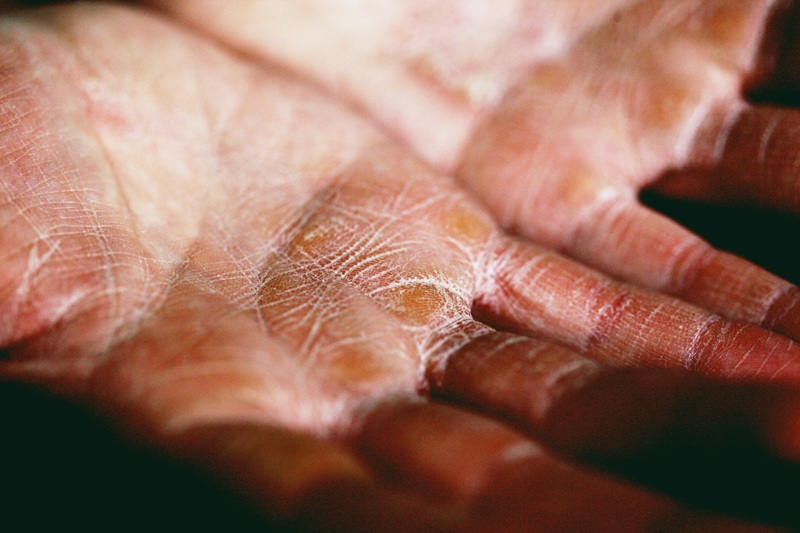
Flaking and Rough Texture
When the barrier is damaged, the skin loses its ability to retain moisture effectively. The result is peeling, flaking, and a rough texture that can feel similar to sandpaper.
Unexpected Breakouts
Many people exfoliate to reduce acne, yet excessive exfoliation can have the opposite effect. A weakened barrier can trigger inflammation and make the skin more susceptible to clogged pores, small bumps, and acne flare-ups.
Sudden Product Sensitivity
If nearly every skincare product begins causing discomfort, it may be time to stop active treatments and focus on recovery. Sensitivity to previously tolerated products is often a strong indicator that the skin barrier needs repair.
Why Over-Exfoliation Is Becoming More Common
The skincare industry has experienced a surge in products containing active ingredients that aim to accelerate cell turnover and enhance skin texture. Used properly, these ingredients can be very effective, but often problems occur when consumers layer multiple exfoliating products without knowing what the cumulative effect may be. Your routine might involve exfoliating acids, retinoids, scrubs and brightening treatments all of which can sound like a good idea, but the cumulative effect can overload the skin. “Damaged skin barriers can lead to increased sun sensitivity, prolonged redness, recurring irritation and in some cases a greater risk of infection,” health professionals say. These complications often mean more costs for treatments and visits to the dermatologist.
How to Tell the Difference Between Healthy Exfoliation and Skin Damage
If you are exfoliating properly you should be noticing your skin looking brighter, feeling smoother and you shouldn’t still feel uncomfortable. The healthy response is mild symptoms that are brief and resolve in a few hours. Meanwhile a damaged skin barrier causes long-lasting redness, stinging, dryness and irritation long after you’ve applied products. When symptoms involve most of the face, rather than just a small treatment zone, experts recommend assuming barrier damage and dialing back actives right away.
How to Repair a Damaged Skin Barrier
The first step toward recovery is simplifying your skincare routine. Experts generally recommend stopping exfoliating acids, retinoids, and physical scrubs until the skin has fully calmed down. During this period, focus on gentle cleansing and intensive hydration. Barrier-supporting ingredients include:
- Ceramides
- Fatty acids
- Cholesterol
- Squalane
- Hyaluronic acid
These ingredients help to restore moisture and rebuild the skin’s natural protective structure. For those with severe dryness, a simple occlusive ointment over moisturizer can help prevent water loss and aid healing. Sunscreen is also a must for daily use. Sun protection is a key part of recovery, as a compromised skin barrier is often more vulnerable to ultraviolet damage.
Explore the latest ChatGPT trends, tools, and updates.
Can You Buy ChatGPT Shares?
Find out how retail investors can access pre-listing opportunities.
Need AI-Powered Insurance Quotes Fast?
Check out how ChatGPT is transforming cycling insurance.
Where Is ChatGPT Still Banned?
Uncover the countries restricting access to the AI tool.
Is ChatGPT 5 Worth Switching?
Compare the key differences between ChatGPT 5 and Grok 4.
Why Is ChatGPT Not Working?
See when service disruptions may be resolved and restored.
How Long Does Recovery Take?
The time needed to recover depends on how much damage there is and the products used. Visible improvement is seen within two to four weeks of stopping irritating products and starting a barrier-focused routine. More serious cases may require several months of steady treatment. Dermatologists recommend that you slowly re-introduce active ingredients. Less frequency, lower concentrations and patch testing can help to avoid another setback.
The Growing Need for Skincare Education
Skincare professionals warn consumers to proceed with caution when trying to emulate intense routines without matching them to their individual skin type as social media continues to influence beauty trends. What works for one may be too strong for another. Knowing how often to exfoliate and recognizing the first signs of irritation can help prevent long-term skin problems and unwanted expenses. In the end, healthy skin isn’t about piling on more products it’s about using the right products the right way.
FAQs
How long does a damaged skin barrier take to heal?
Most people notice improvement within two to four weeks when they switch to a gentle, hydrating skincare routine and use sunscreen consistently.
Can over exfoliating cause permanent skin damage?
Permanent damage is not common. But over-exfoliating repeatedly can contribute to ongoing sensitivity, redness and pigmentation issues if not managed.
What foods can help repair the skin barrier?
Typical ingredients advised for skin barrier recovery are ceramides, cholesterol, fatty acids, squalane, and hyaluronic acid.
Should I stop using all active skincare ingredients?
Yes. Experts generally advise steering clear of exfoliating acids, retinoids, and physical scrubs until the skin has healed and sensitivity has subsided.
When is it time to see a dermatologist?
If symptoms worsen, are painful, show signs of infection or spread significantly, or do not improve after several weeks of gentle skincare, see a dermatologist.