

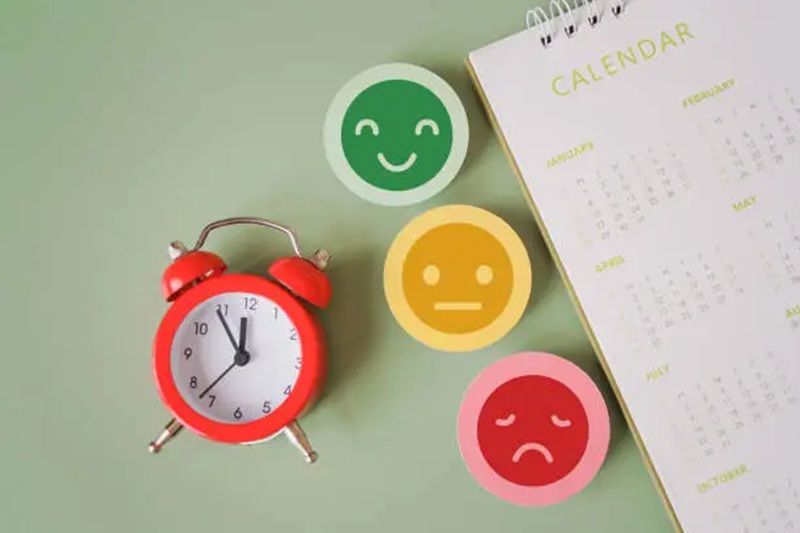
30-Second Habits to Improve Your Mood: Simple Daily Tricks to Feel Happier and Less Stressed
You don’t need to overhaul your life to feel a little better. Sometimes all it takes is a few seconds of doing something on purpose, squeezed in between emails, chores, or another round of mindless scrolling. That’s the whole idea behind these tiny mood-boosting habits. None of them replace real mental health care, but little things like breathing on purpose, moving your body, reaching out to someone, or just pausing to notice something good can genuinely help you get through a rough patch in the day.
Why bother with something so small?
Because the numbers are bigger than most people realize. The World Health Organization’s 2025 World Mental Health Today report estimated that over a billion people globally are living with a mental health condition and a huge number of them still can’t get proper care. So it’s worth talking about the cheap, easy stuff too. Small habits won’t fix a serious condition, but they can help you catch stress before it snowballs. And honestly, the goal isn’t to do these perfectly, it’s just to do them regularly.
Five habits worth trying
1. Take three slow breaths. Nothing fancy, just three unhurried breaths, exhaling a bit longer than you inhale. It sounds too simple to matter, but there’s real research behind it: several studies (including a meta-analysis of randomized trials) have linked slow, controlled breathing to lower self-reported stress. Scientists still want more high-quality research to confirm exactly how much it helps, but the early signal is promising.
2. Get your body moving, even briefly. Stand up. Roll your shoulders. Walk to the other side of the room. Shake your hands out for thirty seconds. You’re not trying to squeeze in a workout, you’re just breaking up however long you’ve been sitting still. In the American Psychological Association’s 2025 stress survey, walking and exercise were among the top ways adults said they cope with stress.
3. Send someone a quick message. A text to a friend, a “thanks” to a coworker, a simple “how are you doing?” that’s it. Connection matters more than we tend to give it credit for. The CDC notes that supportive relationships help people manage stress, anxiety, and depression, while feeling disconnected from others tends to make mental health worse.
4. Look up from your screen. For half a minute, put the phone down and just look at something else out a window, across the room, wherever. It gives your eyes a break, sure, but it also creates a small mental gap between whatever you were just doing and whatever’s next, which matters more than people expect in a day full of notifications.
5. Name one good thing. Just one. A decent cup of coffee, crossing something off your list, a nice text from a friend, five quiet minutes to yourself, anything. The point isn’t to force yourself into a good mood. It’s just to interrupt the default habit a lot of us have of dwelling on everything that went wrong.
Why this matters beyond the five-minute fix
The fact that quick stress-relief tricks like these keep gaining attention says something about where we are: people need simple tools they can use right now, because the bigger mental health system is still hard to access for a lot of people. WHO’s most recent data keeps pointing to the same gap: services and resources aren’t keeping pace with need.
Meanwhile, research on things like breathwork suggests that cheap, self-directed techniques really can move the needle on everyday stress just not in a way that should be oversold. These are small additions to a healthy routine, not a cure.
When a 30-second habit isn’t enough
If you’re dealing with persistent sadness, serious anxiety, a sense of hopelessness, major changes in sleep, or trouble just getting through your day, that’s a sign to reach out for real support. A breathing exercise isn’t built for that. But for the ordinary hard days? Pause. Breathe. Move a little. Reach out to someone. Notice something good. None of it’s dramatic, but stacked up over time, it adds up to a day that feels a bit more manageable.
Small insights that can make a big difference.
Could Snoring Be Hurting Your Health?
Check out how your partner’s snoring may affect sleep quality and overall health.
Can Tick Protection Help Prevent Disease?
Find out how new advances in tick protection could help prevent Lyme disease and other illnesses.
What Stress-Relief Technique Calms You Fast?
Uncover how a powerful stress-relief technique can help calm your mind and body.
Which Medications Increase Heat Sensitivity?
Browse important information about medications that may increase heat sensitivity during hot weather.
Why Are Governments Targeting Processed Foods?
See why governments are cracking down on ultra-processed foods and how companies are responding.

