

Why Governments Are Cracking Down on Ultra-Processed Foods and How Companies Are Responding
Walk down almost any grocery aisle and you’ll see them: bright bags of chips, sugary cereals, instant noodles, frozen dinners you can microwave in five minutes. These foods have become such a normal part of daily life that most of us don’t think twice about tossing them in the cart. They’re cheap, convenient, and everywhere. But governments around the world are starting to ask a tougher question: are these foods quietly fueling a public health crisis? That question is behind a wave of new regulation aimed at so-called “ultra-processed foods,” or UPFs. Some countries are slapping warning labels on packaging. Others are taxing sugary drinks or banning junk food ads aimed at kids. Food companies, for their part, aren’t taking it quietly; they’re pushing back hard, arguing that the rules are unfair and based on shaky science.
So What Exactly Counts as “Ultra-Processed”?
Ultra-processed foods aren’t just anything that comes in a package. The term refers to products built in a factory rather than kitchen foods loaded with preservatives, artificial flavors, emulsifiers, and sweeteners meant to make them taste better, last longer, or feel a certain way in your mouth. Think chips, soda, hot dogs and other processed meats, instant noodles, candy, sugary breakfast cereal, frozen pizza, packaged cookies the list goes on. Not every one of these is automatically “bad,” but a growing body of research keeps pointing in the same direction: diets heavy in ultra-processed food are linked to higher rates of obesity, type 2 diabetes, heart disease, and even certain cancers.
Why the Sudden Crackdown?
Rates of obesity and diet-related illness have been climbing for years, and public health officials are increasingly convinced that simply telling people to “eat healthier” isn’t cutting it. So governments are reaching for harder tools: front-of-package warning labels, limits on marketing junk food to kids, soda taxes, tighter rules on what schools can sell, and stricter nutrition standards overall. Chile, Mexico, Brazil, Canada, and a handful of European countries have already rolled out or are actively considering policies like these. The thinking is simple: give people clearer information and push manufacturers toward making better products in the first place.
The Food Industry Isn’t Convinced
Naturally, the companies making these products see it differently. Their argument: processing itself isn’t the villain, what matters is what’s in the food, not how it was made. Plenty of manufacturers have taken this fight to court, claiming the science behind some rules is still evolving and shouldn’t be used to brand entire categories and the brands behind them as harmful. There’s a financial angle too. Companies warn that tighter rules mean higher production costs, fewer choices on the shelf, and eventually higher prices at checkout. Still, even while fighting some of these battles legally, most companies know which way the wind is blowing.
How Companies Are Actually Changing
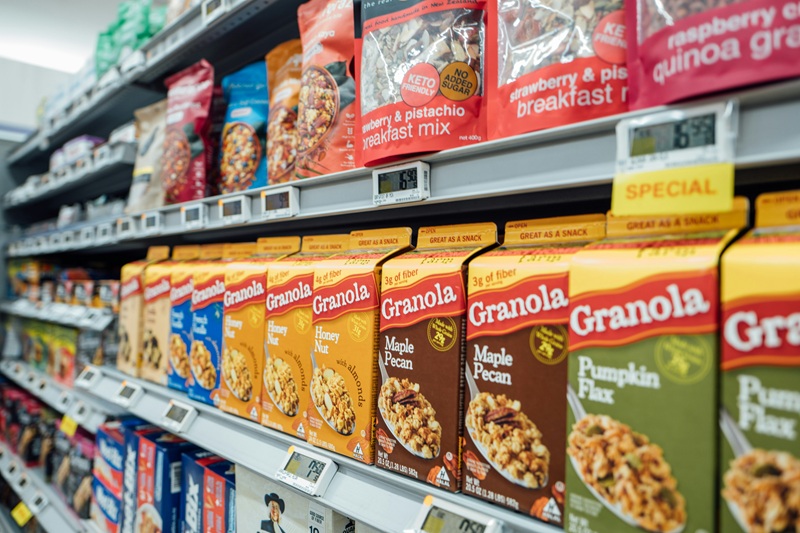
Rather than betting everything on lawsuits, a lot of manufacturers are quietly reworking their products, dialing back sugar, salt, and unhealthy fats, and shortening ingredient lists. Healthier snacks, plant-based options, and “minimally processed” alternatives are popping up on more shelves, and packaging increasingly touts protein, fiber, whole grains, and natural ingredients to appeal to health-conscious shoppers. Analysts say the companies that adapt early instead of waiting to be forced are likely to come out ahead as regulations keep tightening.
More Stories You Shouldn’t Miss
Could Tom Holland’s Luxury Stay Surprise?
Discover the lavish details behind Tom Holland’s extravagant stay at Mumbai’s iconic Taj Mahal Palace.
What Makes India’s Brain Atlas Revolutionary?
Explore how Indian scientists are unlocking the mysteries of the human brain with cutting-edge 3D mapping.
Why Did US Seize Iranian Tanker?
Uncover the dramatic events behind the US Navy’s tanker seizure and its impact on India.
Why Reject Two Citizenship Offers?
Find out why Rashid Khan chose loyalty over offers from India and Australia.
How Did Vikram-1 Create History?
Check out how Skyroot’s Vikram-1 became a milestone for India’s private space ambitions.
What This Means If You’re Just Trying to Buy Groceries
For everyday shoppers, this isn’t about memorizing a list of “forbidden” foods. Most nutrition experts say the same thing: focus on your overall eating pattern rather than panicking over every packaged item in your cart. Fruits, vegetables, legumes, whole grains, and minimally processed staples should still form the backbone of a healthy diet but convenience food isn’t going anywhere anytime soon. The real challenge for regulators is striking a balance between protecting public health and preserving choice.
Where This Is Headed
This story is far from finished. The science on ultra-processed food is still developing, and more policy changes are likely in the years ahead. Legal fights between regulators and food companies will probably keep shaping how these laws get written, while shifting consumer habits may end up moving the market just as much as any government mandate. One thing does seem clear: whether through stricter rules or genuine product innovation, the food industry is heading into a period of real change.
FAQ
What are UPFs?
Industrially made products built with additives and processing techniques meant to extend shelf life and boost taste.
Why regulate now?
Mounting evidence links high UPF consumption to obesity, diabetes, and heart disease.
Are they all bad?
Not necessarily overall diet quality and portion size matter more than processing alone.
How’s the industry responding?
Reformulating products, cutting sugar/salt, and sometimes challenging rules in court.
Will it affect you?
Likely expect clearer labels, more healthy options, and possibly higher prices on some processed goods.

