

Why the 2026 Federal Funding Lapse Feels Like a Routine, Not a Crisis
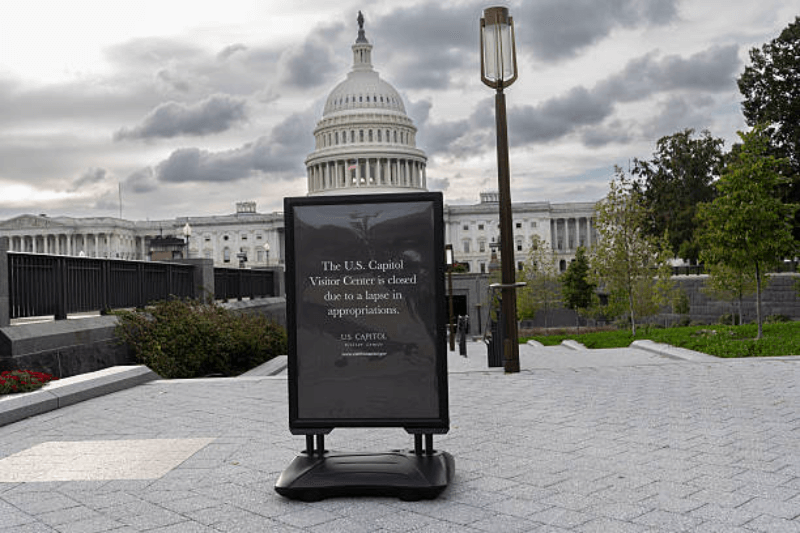
The U.S. federal government entered a partial shutdown 2026 at midnight Jan 31 after Congress missed the FY2026 budget deadline, triggered by Democratic opposition to DHS funding amid immigration agent shootings in Minneapolis protests. Impacting the operation of the government to tune of 75% such as education, health, housing, defense-nonessential staff furloughed, essentials unpaid- but leaders are anticipating a fix through a two-three day House vote Monday on the Senate deal (finance over a year plus DHS two-week CR). This “technical lapse” (compared to 43-day FY2026 previous record) reflects 20+ since 1976; Trump believes in fast move, limiting service disruptions. Normalization of short lapses is promoted by the routine brinkmanship over partisan snags.
Brief Shutdown Operations
Shutdown 2026 furloughs nonessentials Feb 2 for orderly close; pay retroactive post-fix.
Political Trigger Points
DHS standoff over protester deaths stalls omnibus; bipartisan deal eyes Monday passage.
Historical Normalization
20th lapse since ’76 underscores shutdown 2026 as procedural hiccup, not catastrophe.
Official Social Embed
BREAKING: US GOVERNMENT SHUTDOWN CONFIRMED FOR JANUARY 31!
— 0xNobler (@CryptoNobler) January 30, 2026
Tomorrow will be the worst day of 2026 for markets.
If you think a shutdown is “just politics,” remember what happened in 2025:
→ GDP crashed 2.8%
→ Trillions wiped out across the stock market
This is how… pic.twitter.com/AuBlzQYH4m

