10 Largest and Deadliest Wildfires in History: What You Need to Know
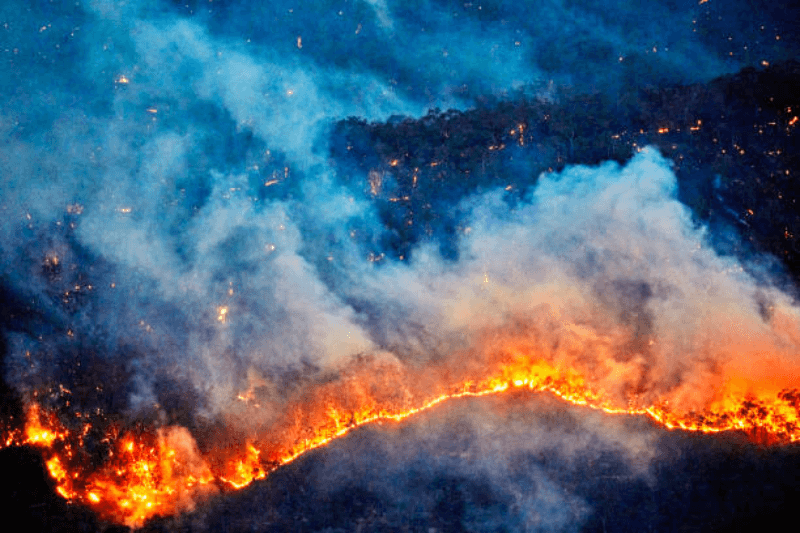
Wildfires are a powerful reminder of nature’s force—and the recent Dragon Bravo Fire near the Grand Canyon, declared a “megafire” after scorching over 115,000 acres, shows that the threat is far from over. While firefighters work around the clock to protect lives and landscapes, it’s worth understanding the scale and history of the world’s most devastating wildfires. We analysed the list from HowStiffWorks, and we prepared a countdown of the ten largest and deadliest blazes ever recorded.
- New South Wales Bushfires (Australia, 1974–75)
This remains the largest modern wildfire in history, burning about 289 million acres — roughly 15% of Australia’s landmass. The fire season was catastrophic, severely impacting wildlife and natural habitats. - 2019–2020 Australian “Black Summer” Fires
Burning around 60 million acres, these fires caused widespread destruction across Australia. Millions of animals perished, entire ecosystems were damaged, and many communities were displaced, highlighting the growing threat of climate change. - Siberian Taiga Fires (2003, Russia)
Around 55 million acres of Siberia’s boreal forests were destroyed by these massive wildfires. Fueled by drought and lightning strikes, the fires created severe environmental damage in one of the world’s largest forested regions. - Russian Wildfires (2021)
Approximately 44.5 million acres of remote Russian forests burned during extreme heat and drought. These fires demonstrated how climate extremes continue to threaten vast wilderness areas. - Black Dragon Fire (China & Russia, 1987)
This cross-border wildfire in the Daxing’anling region burned 18 million acres, causing massive environmental damage and highlighting how wildfires can spread across political boundaries. - Peshtigo Fire (USA, 1871)
The deadliest wildfire in recorded history, it destroyed over 1.2 million acres in Wisconsin and killed between 1,500 and 2,500 people. Strong hurricane-force winds caused the fire to spread rapidly, making escape difficult. - Cloquet Fire (USA, 1918)
Sparks from a passing train ignited this fire in Minnesota, which burned 250,000 acres, destroyed 38 towns, and killed over 1,000 people. It remains one of the worst fire disasters in U.S. history. - Great Hinckley Fire (USA, 1894)
About 200,000 acres of pine forests in Minnesota were burned, wiping out entire towns and claiming roughly 418 lives. This fire was a tragic example of how dry forests and human activity can create deadly conditions. - Great Fire of 1910 (“Big Blowup”)
A wildfire that scorched approximately 3 million acres in Idaho and Montana. Powerful winds turned small fires into a massive inferno that killed 87 people, many of whom were firefighters battling the blaze. - Camp Fire (California, 2018)
California’s deadliest and most destructive wildfire to date, burning over 153,000 acres and reducing the town of Paradise to ashes. The fire claimed 86 lives and caused widespread devastation.
These wildfires — from historical giants to recent megafires like the one near the Grand Canyon — illustrate the rising risks caused by climate change, extreme weather, and expanding human development. Understanding their vast scale helps us appreciate the urgent need for better fire safety measures, global cooperation, and smarter environmental management to protect lives and the planet.