

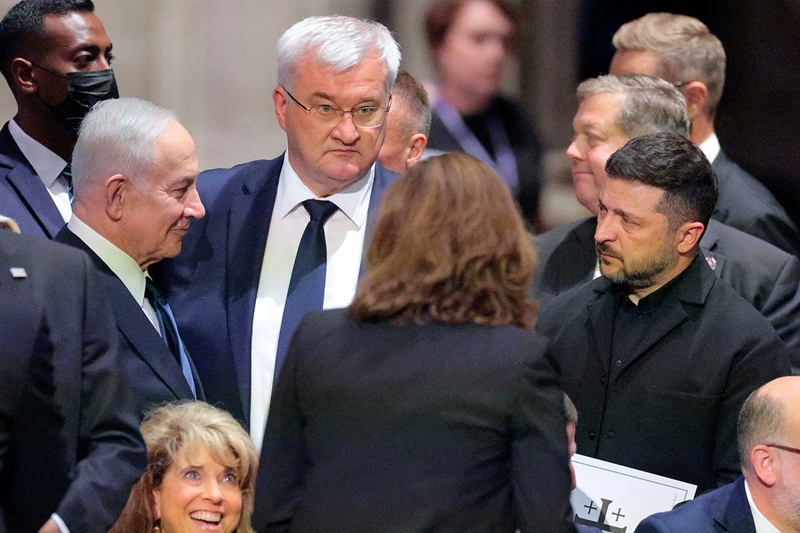
Why Zelensky and Netanyahu Are Visiting Washington and What It Means for U.S. Foreign Policy
With two of the world’s most closely watched conflicts still playing out, Washington has returned to being the center of global diplomacy. Both Ukrainian President Volodymyr Zelensky and Israeli Prime Minister Benjamin Netanyahu are in Washington for separate high-stakes meetings with President Donald Trump, underscoring how deeply American foreign policy is entangled with the wars in Ukraine and the Middle East. The leaders hail from different conflicts, but their visits are coming at a pivotal time. Washington’s decisions could shape military aid, regional stability, sanctions and America’s place on the world stage for months to come.
Why Are Zelensky and Netanyahu Visiting Washington?
The timing of the visits is not a coincidence. Zelensky’s priority is clear: to win continued U.S. backing as Ukraine battles to hold off Russia’s invasion. With the battlefield changing and negotiations uncertain, Kyiv is seeking closer military cooperation, including more air-defense capabilities and long-term security commitments. Ukrainian officials have also been talking about proposals to cut down on aerial assaults and keep diplomatic channels open. Netanyahu’s focus is the Middle East. His meetings with President Trump are expected to focus mostly on Iran, regional security and broadening diplomatic deals with Arab nations. The meeting comes after months of rising tensions with Iran and as a growing debate in the United States hones in on the degree of U.S. involvement in the region.
A Symbolic Moment for U.S. Diplomacy
The two leaders were also in Washington for events honoring the late Sen. Lindsey Graham, a longtime stalwart congressional supporter of both Ukraine and Israel. Their presence showed how closely America’s foreign relationships are still tied together even though they involve different parts of the world. The public is keen to see Zelensky and Netanyahu together in the same city, but officials have emphasized that their meetings at the White House with President Trump were separate and focused on different strategic priorities.
What Does This Mean for U.S. Foreign Policy?
These meetings are an important snapshot of the challenges facing American foreign policy. The U.S. is balancing support for Ukraine against Russia with managing security obligations in the Middle East. Both wars need military resources, diplomatic attention and political capital. That tightrope has become more difficult for the Trump administration. Relations with Zelensky have reportedly improved as Ukraine continues to resist Russian advances. Meanwhile, there are reports of increasing frustration inside the White House over the pace of progress in resolving tensions involving Iran and Israel. How these discussions will play out could impact:
- Future military aid to Ukraine
- U.S. Policy Toward Iran
- Security cooperation with the Israelis
- New sanctions against Russia
- America’s larger role as leader to its allies
Keep Reading: Discover More Expert Insights, Health Breakthroughs & Inspiring Stories
1. What Drives Your Best Performance?
Discover your motivation type and learn practical ways to boost productivity, career growth, and long-term success.
2. Could Insulin Pills Change Diabetes?
Explore the latest research on insulin pills and what doctors say about the future of Type 1 diabetes treatment.
3. How Did She Lose Weight?
Check out how this influencer lost 15 kg, maintained it for five years, and still enjoyed pizza and burgers.
4. Why Is Vikram-1 Historic?
Explore how Skyroot’s Vikram-1 launch marked a major milestone in India’s private space journey.
5. Are You Protecting Your Hearing?
Discover simple daily habits that can help prevent hearing loss and support better hearing for years to come.
Why Americans Are Paying Attention
Foreign policy can seem far away but these decisions can have a direct impact at home. Military aid packages run into billions of tax payer dollars. The Middle East conflict can affect global oil prices and inflation, and the ongoing fighting in Ukraine continues to disrupt food supplies, energy markets and European security. Meanwhile, both remain politically sensitive issues in Washington, where lawmakers continue to debate the extent of U.S. international involvement.
FAQs
1. Why is Zelensky in Washington?
President Zelensky is asking the U.S. to keep up its military, financial and diplomatic support to help Ukraine fight off Russia’s invasion.
2. Why is Netanyahu meeting with President Trump?
Prime Minister Netanyahu’s visit will focus on Iran, regional security, U.S.-Israel cooperation and broader Middle East diplomacy.
3. Is there a joint meeting between Zelensky and Netanyahu?
No. President Trump held separate meetings with them about different geopolitical issues while both leaders were in Washington at the same time.
4. How do these visits affect U.S. foreign policy?
The meetings could influence future military aid, sanctions, Middle East strategy and the way the United States supports allies caught up in multiple international conflicts.

