

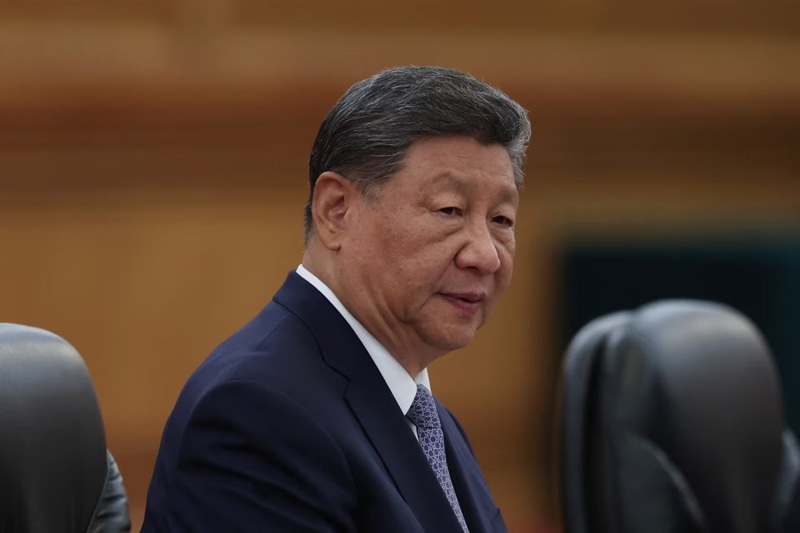
Xi Jinping Urges BRICS to Push for Peace in Middle East as Leaders Call for Global Stability and Diplomacy
At the BRICS summit in New Delhi, Chinese President Xi Jinping made a pointed case: the bloc shouldn’t just watch from the sidelines while the Middle East burns. He pushed member nations to lean harder into diplomacy, arguing that political solutions not deeper confrontation are the only way forward. It’s a message that landed as the region’s conflicts keep rattling everything from oil markets to shipping lanes.
Xi’s Pitch: More Diplomacy, Less Escalation
Xi didn’t mince words about the human cost. He described the ongoing war as devastating for people across the region and said it serves nobody’s long-term interests, not even the parties fighting it. His task was straightforward: BRICS countries should actively back political settlements and help steer things toward peace, and he pledged China would work alongside its partners to make that happen.
He also circled back to a familiar theme for Beijing respecting national sovereignty and staying out of other countries’ internal affairs while calling on the bloc to champion international law and peaceful dispute resolution. Underneath it all is a bigger ambition: Xi wants BRICS to carry more weight as a voice for the Global South, especially at a moment when the world feels more fractured than usual.
The Bloc Speaks with One (Careful) Voice
This wasn’t just Xi freelancing; the summit’s joint declaration echoed the same call for restraint, de-escalation, and protecting civilians, along with keeping trade and supply routes open.
What makes that agreement notable is who’s in the room. BRICS now includes Iran and the UAE, two countries that don’t exactly see the region the same way. Getting them to sign onto a shared statement wasn’t a given, and the fact that it happened says something about the bloc’s ability to find common ground even when its members pull in different directions. Energy and trade disruption were front and center in the discussions too, not surprising, given how central the Middle East is to global oil supplies and shipping.
A Bigger Test for BRICS
There’s a broader story here: BRICS trying to grow from a mostly economic alliance into something closer to a diplomatic force. The numbers back up why that matters with Brazil, Russia, India, China, South Africa, Egypt, Ethiopia, Indonesia, Iran, and the UAE all on board, the group now represents over 40% of the world’s population and a hefty slice of global GDP.
That’s real leverage on paper. But size cuts both ways: more members means more competing priorities, and consensus gets harder to reach. Still, getting countries with genuinely different stakes in the conflict to agree on restraint is, in itself, a small diplomatic win.
Why This Isn’t Just a Foreign Policy Story
Instability in the Middle East doesn’t stay contained to the region. It shows up in higher energy prices, pricier shipping, and supply chains getting squeezed costs that eventually trickle down to everyday expenses like food and manufactured goods, even for people living far from the conflict.
Indian Prime Minister Narendra Modi picked up on this at the summit too, warning that geopolitical tension and supply-chain problems are hitting people worldwide, not just those closest to the fighting.
What Else Is Making Headlines?
What Made Diana’s Dress So Iconic?
Check out the story behind Princess Diana’s famous Revenge Dress and its upcoming Sotheby’s auction.
Why Is California Restricting Social Media?
Find out how California’s new law targets addictive social media features for children under 16.
Why Does UN Reform Matter at BRICS?
Uncover why António Guterres is highlighting Security Council reform and multilateralism at BRICS 2026.
How Is BRICS Reshaping Global Trade?
Explore how the expanded 11-nation BRICS bloc is transforming global trade and economic cooperation.
Why Is Britain Obsessed With Bayeux?
Experience the Bayeux Tapestry exhibition in London as renewed public fascination sweeps across Britain.
What Happens From Here
Talk is the easy part. The real test is whether BRICS can turn these statements into something concrete and that mostly hinges on the countries actually involved in the conflicts, not BRICS itself. Even so, Xi’s remarks point to something bigger brewing: rising powers wanting a real seat at the table when it comes to resolving global crises. With China set to take over the BRICS chairmanship and host next year’s summit, how the bloc handles this Middle East moment could end up being a defining test of whether its growing influence translates into actual results.
FAQ
What did Xi Jinping say?
He urged BRICS to take a bigger role in pushing for peace and political solutions in the Middle East.
What did the bloc as a whole call for?
Restraint, de-escalation, civilian protection, and more diplomatic effort to ease regional tensions.
Why does the Middle East matter so much to BRICS?
It’s a linchpin for global energy and shipping, so instability there ripples through the world economy.
Can BRICS actually stop the conflict?
Not on its own it can open doors for dialogue, but lasting peace depends on the parties actually fighting.
Why is Xi pushing this now?
He’s positioning BRICS as a stronger voice for the Global South and pressing for emerging economies to have more say in global affairs.

