

California Bans Addictive Social Media Features for Children Under 16 Under New Law
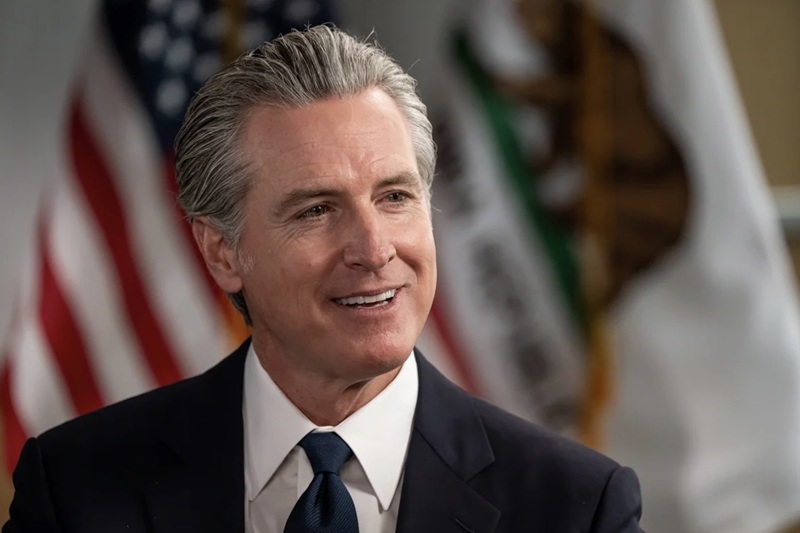
If you’ve ever watched a teenager get sucked into an endless scroll one video leading to another, then another California just took direct aim at the mechanics behind that. Governor Gavin Newsom signed Assembly Bill 1709 on September 10, a law that bars social media platforms from using “addictive” design features on users under 16. Think autoplay videos and algorithm-driven feeds that study what a kid watches and then keep serving up more of the same to hold their attention. It’s part of a bigger batch of child-safety legislation Newsom signed that day.
Importantly, this isn’t a ban on teens using social media. Kids under 16 can still have accounts platforms and just can’t dangle the engagement-maximizing tricks in front of them anymore. The law also sets up a new e-Safety Advisory Commission inside the state’s Department of Justice to keep tabs on emerging online risks going forward.
Why go after the design instead of the content?
For years, the conversation around kids and social media focused on what they were seeing, inappropriate content, cyberbullying, that sort of thing. Lately, though, the focus has shifted to how platforms are built. Infinite scroll, personalized recommendations, autoplay these aren’t accidents. They’re engineered to keep people, including kids, glued to their screens longer than they might otherwise choose to be. This isn’t California’s first swing at the issue, either. Back in 2024, Newsom signed SB 976, which cracked down on addictive feeds and certain notifications for minors. AB 1709 pushes that further by targeting the design features themselves, rather than leaning mainly on parental controls to do the work.
What this means for the platforms
Companies like Instagram and TikTok are now staring down some real product changes. They’ll likely need beefed-up age-verification tools and separate, toned-down experiences for younger users. And there are teeth behind the law violations that can bring civil penalties, enforced by the state attorney general or local prosecutors. This also lands amid a broader crackdown. Just last month, California’s AG Rob Bonta floated a proposed $17 billion settlement with Meta that would include parental controls, age verification, and non-personalized feed options for younger users pending court approval.
What’s Making Headlines You Can’t Miss?
Could Hoekstra Face Expulsion From Canada?
Check out why thousands of Canadians are demanding action against the US ambassador.
Who Is Martina Strong, Really?
Uncover the diplomat’s UAE appointment and the political delays surrounding her confirmation.
Why Did Clancy’s Jury Deadlock?
Find out what led to the mistrial and why the jury couldn’t reach a verdict.
Why Is Lake Ontario Renamed?
Browse what Apple Maps’ surprising “Lake America” change means and why it happened.
Which Haunted Hotels Should You Visit?
Experience five spooky American hotels known for paranormal encounters and eerie stays.
The bigger picture
Child-safety advocates, including Common Sense Media, are calling this a landmark move, California being the first state to force platforms to strip out addictive features for kids under 16. Not everyone’s fully on board with how it’ll play out, though. Digital-rights groups are watching closely, worried about privacy trade-offs and whether stricter age verification could end up locking some young people out of communities and information they’d otherwise have access to. So the law is signed, but the real story is just starting how California enforces it, how platforms respond, and whether it actually changes the experience for kids scrolling through their phones.

