

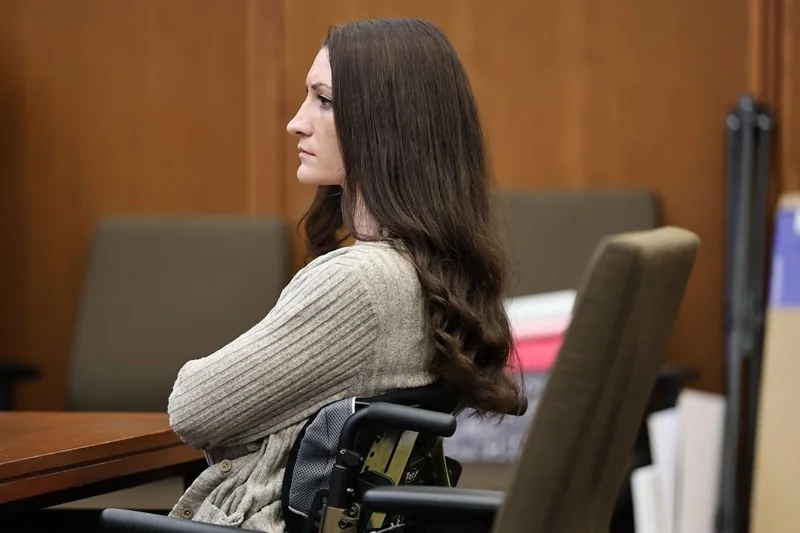
Why Did the Lindsay Clancy Jury Fail to Reach a Verdict? Mistrial Explained
After six weeks of gut-wrenching testimony and nearly 40 hours behind closed doors, the jury in the Lindsay Clancy case couldn’t agree. On September 4, 2026, Judge William Sullivan declared a mistrial meaning the question everyone had been waiting on since January 2023 still doesn’t have an answer. To be clear, this isn’t a not-guilty verdict. Clancy hasn’t been cleared of anything. The case is simply stuck in limbo, and now it’s up to prosecutors to decide what comes next.
What the jury was actually arguing about
Nobody disputed that Clancy caused her three children’s deaths that much both sides agreed on from the start. The real fight was over why, and whether her state of mind at the time meant she couldn’t be held criminally responsible. Her defense team leaned entirely on the claim that she was in the grip of severe postpartum psychosis when she strangled her kids, arguing the illness robbed her of any real understanding or control over what she was doing which is the legal basis for a not-guilty-by-reason-of-insanity plea. Prosecutors didn’t deny she was struggling. But they argued struggling isn’t the same as not knowing right from wrong in their telling, she was depressed and in crisis, yet still aware enough to intentionally kill her children before trying to end her own life. That gap between the two arguments is basically what tore the jury apart.
A deadlock that just wouldn’t break
The 12 jurors spent seven days going back and forth, repeatedly telling the court they were stuck. At one point, word got out that the panel was split 11-1, and Clancy’s attorney, Kevin Reddington, seized on it arguing that a single holdout juror was blocking a not-guilty verdict and asking the judge to remove that juror entirely. The judge said no, finding there wasn’t enough justification to pull the juror off the case. The defense tried going over his head to the Massachusetts Supreme Judicial Court on an emergency basis, but that got denied too. So the jury went back to deliberating and still landed nowhere. Eventually, Sullivan called it.
So what actually happens with a mistrial?
In plain terms, it means the trial ran its course but ended without a verdict. The jury simply couldn’t reach the unanimous decision the law requires, so the judge dismissed them without a resolution either way. That doesn’t mean the case disappears. Prosecutors are free to take Clancy to trial again with an entirely new jury. There’s a hearing already on the books for September 29, which should shed some light on which direction they’re leaning toward another trial, or some kind of negotiated resolution with the defense.
Why this case has stuck with people
Part of what’s made this trial so hard to look away from is where it sits right at the collision point of motherhood, severe mental illness, and how the justice system decides who’s responsible for what. Clancy’s defense has used the case to push for the country to take postpartum psychiatric conditions more seriously. Prosecutors, meanwhile, have pushed back on the idea that mental illness however real automatically erases criminal responsibility. None of that gets settled by a mistrial. If anything, it just gets postponed. For Clancy’s family, especially her estranged husband, Patrick, the lack of a verdict means there’s still no closure, nearly four years after his children died. And if prosecutors do go for a retrial, that means another long, painful trip through the courtroom for everyone involved. For now, though, one of the most closely watched cases in Massachusetts in recent memory ends exactly where it started: unresolved.
FAQs
1. Why was the Lindsay Clancy trial declared a mistrial?
The judge declared a mistrial after the 12-person jury failed to reach a unanimous verdict following seven days of deliberations.
2. Was Lindsay Clancy found not guilty?
No. A mistrial is not an acquittal. The charges remain unresolved, and prosecutors may seek a new trial.
3. What was the main argument in the Lindsay Clancy case?
The defense argued that postpartum psychosis made Clancy legally insane. Prosecutors argued that she intentionally killed her children and remained criminally responsible.
Explore More Stories Worth Reading
Could Apple Maps Really Rename Lake Ontario?
Check out what the surprising name change means for America and beyond.
Which American Hotels Are Truly Haunted?
Uncover five spooky hotels offering unforgettable paranormal experiences.
Could Trump’s Venezuela Oil Deal Reshape Energy?
Dive into the massive oil deal and its potential impact on America’s energy future.
Will Nashville Airport Be Renamed for Dolly?
Find out why Tennessee leaders support honoring the country music legend.
Why Did Log Cabin Republicans Drop Trans Advocacy?
Reveal what the major policy shift means for the conservative gay rights group.

