

Why Popocatépetl Volcano Threatens Mexico City: Risks Explained
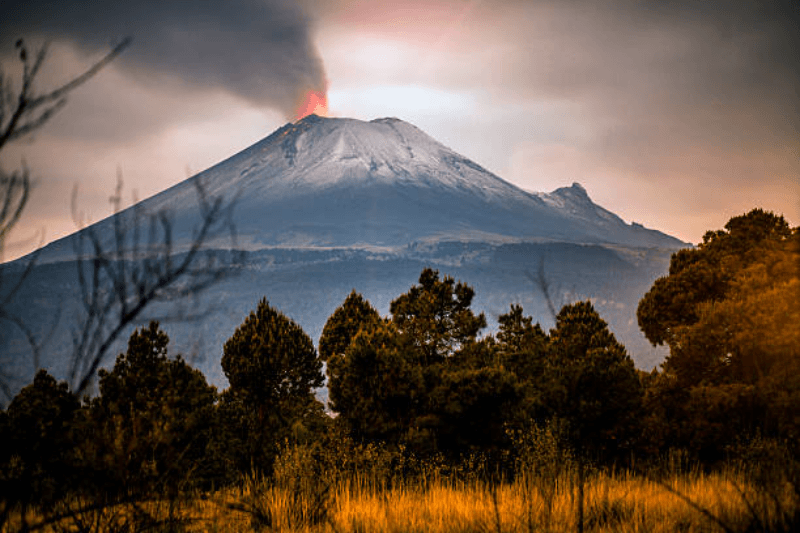
Popocatépetl, Mexico’s smoking mountain, stands just 70 kilometers southeast of busy Mexico City. Its ongoing activity puts millions at risk. This stratovolcano has erupted almost daily since 2005, requiring constant attention.
Proximity to a Mega-City
At 5,426 meters tall, Popocatépetl is located in the Trans-Mexican Volcanic Belt, very close to Mexico City’s 22 to 30 million residents. Ash plumes drift directly into the city, especially its eastern edges, just 72 km away. A major blast could cover the city in thick ash, disrupting life for millions.
Ashfall and Health Hazards
Frequent emissions of ash, gases, and steam lead to fallout in nearby towns and even reach Mexico City. This irritates eyes, throats, and lungs, especially in kids and the elderly. Heavy ash causes roofs to collapse, and poor visibility halts flights at the capital’s airports. In 2024, satellite images showed plumes affecting distant U.S. skies.
Lahars and Explosive Risks
Rain mixes ash into deadly mudflows, or lahars, that rush down slopes and bury villages. Although there have not been any large lava flows in centuries, seismic tremors indicate the possibility of larger explosions. Authorities have kept a Yellow Phase 3 alert, limiting access within 12 km and preparing for evacuations.
Monitoring Saves Lives
Mexico’s CENAPRED monitors tremors and gas on a daily basis, with troops prepared. This arrangement helps control threats and turns fear into cautious coexistence for the community.
FAQs
1. How often does Popocatépetl erupt?
It has shown near-daily activity since 2005, with ash and gas plumes, but major explosions are rarer.
2. Can Mexico City evacuate if needed?
Yes, plans cover 30M in a 70km radius; Yellow alerts prepare nearest towns first.
3. Is Popocatépetl overdue for a huge eruption?
No clear signs, but monitoring prevents surprises despite its volatile history.
Summary:
Popocatépetl, 70km from Mexico City, spews ash and gases continuously since 2005, risking health, aviation, and lahars for 30M people. Alerts stay yellow amid ongoing monitoring.

