

Why Austin Is the New Tech Hub of the U.S.
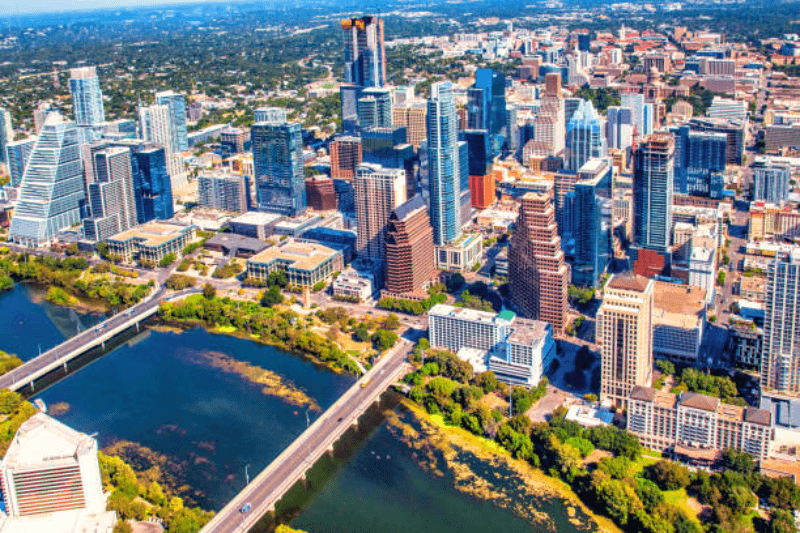
The Austin tech boom is a mix of startup vibe, Big Tech roots, and lifestyle-city allure, which has continued to draw founders, talent, and capital. It is less expensive to operate than the coastal hubs, has no state income tax, and a business-friendly atmosphere contributed to attracting marquee moves and expansions, with the University of Texas pipeline piping engineers and researchers into fast-growing companies. Incubators such as Capital Factory, momentum is sustained by venture capital, a collaborative culture, and semiconductors, AI, cloud, and cybersecurity. With headwinds in the form of housing charges, congestion and rivalry with other emerging hubs, forecasts remain optimistic on strong job growth and sustainability and make Austin a long-term engine of innovation and not a pandemic-era flash in the pan.
What’s powering the boom
- Talent pipeline and retention: UT Austin, the Bay Area in-migration, and a creative, adaptable work culture maintain an extensive pool of engineers and operators.
- Level of business climate and cost: Texas incentives, tax benefits and relatively low overall cost of operations encourages startup creation and relocation of companies.
- Venture and ecosystems: Proactive VC activity, accelerations, and compact meet-up scene facilitate speedy transfer of knowledge and fundraising.
- Sector coverage: Diversification of the base through software/SaaS, AI/ML, mobility, and health tech growth is no longer dependent on a single trend or employer.
Signals of resilience
- Momentum data: Austin is one of the only big tech markets in the U.S. that is projected to experience 6%+ tech job growth in 2025, indicating sustainable demand of talent.
- Corporate promises: Recent expansions and moves suggest an optimistic view of the multi-cycle attractiveness of Austin, despite national technology employment returning to normal.
- Regional strategy: Connections in the Texas “Technology Triangle” reinforce the supply chains, talent movement, and market exposure across the city boundaries.
Challenges to watch
- Affordability and infrastructure: Due to escalating housing prices and traffic congestion, talent availability will be threatened; policy and regional transport will play a decisive role.
- Competitive environment: Austin has been followed by other metros in its playbook, there is increased incentives and bids on talent, and differentiation will be based on community and quality of life assets.

