

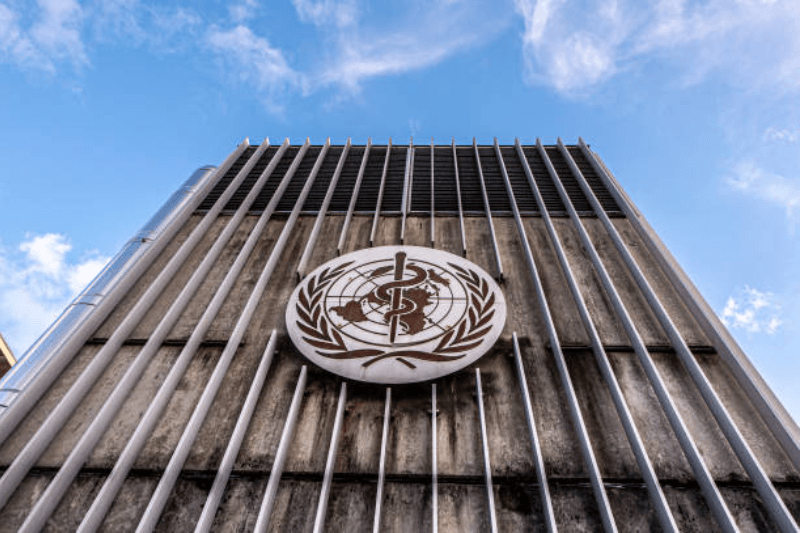
World Health Organization Unveils 2026 Guidelines on New Obesity Medicines
The World Health Organization (WHO) has released its first global guidelines for the use of new obesity medicines, marking a major milestone in public health policy. The guidelines are meant to assist healthcare providers and governments to deal with obesity by providing safe and fair accessibility to the contemporary treatments. As the incidences of obesity continue to skyrocket around the world, the recommendations of WHO will be used in the responsible prescription of all such medications and will help in integrating into the national health systems. The shift of the move is associated with the idea that obesity is a complicated, chronic disease which needs medical and behavioral care. The 2026 framework focuses on accessibility, affordability and long term health outcomes.
WHO’s Landmark Move in Obesity Care
The new guidelines developed by World Health Organization are timely because obesity is impacting more than one billion people around the world. Instead of focusing solely on lifestyle modifications, the new framework promotes use of approved obesity medicines alongside diet, exercise, and counseling. This is an effective way of assisting patients to control their weight without causing any harm to their heart, diabetes and other complications associated with obesity.
Key Highlights of the New Guidelines
The WHO emphasizes that obesity is supposed to be a chronic disease, and the medical monitoring must be conducted constantly. The 2026 guidelines recommend evidence-based prescribing of new drugs such as GLP-1 agonists, which have shown promising results in clinical trials. They also emphasize on the role of affordability, side effects monitoring, and prevention of abuse by selling over the counter.
Global Access and Policy Challenges
Although therapeutic breakthroughs have occurred, WHO cautions that inequality in access is a significant issue. The drugs are very expensive and, thus, the availability in the low- and middle-income countries may be restricted. Therefore, WHO urges governments to bargain equitable prices and enhance the local healthcare capacity. It also demands regulation of marketing and responsible use by the qualified doctors.
The Road Ahead for Global Health
These guidelines will provide a uniform standard on treating obesity worldwide which will spur collaboration and research globally. By recognizing obesity as a medical condition rather than a personal failure, the organization reshapes global conversations around body health and chronic disease management. The 2026 update will help decrease the number of illnesses and health care burdens that are caused by obesity even in the next decades.

