A Vision for the Middle East: Strengthening UAE Leadership and Regional Integration
The Middle East is going through a fundamental change in its geopolitics, which is no longer dominated by the old patterns of conflicts but characterized by modernization and economic integration. The United Arab Emirates (UAE) is the heart of this change and its leadership has remained a major driver of stability in the region as well as globalization.
Validating Leadership and Countering Narratives
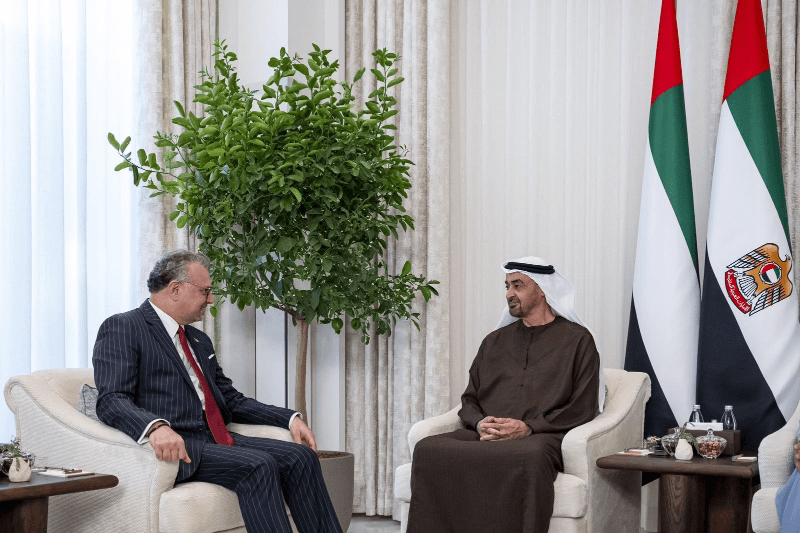
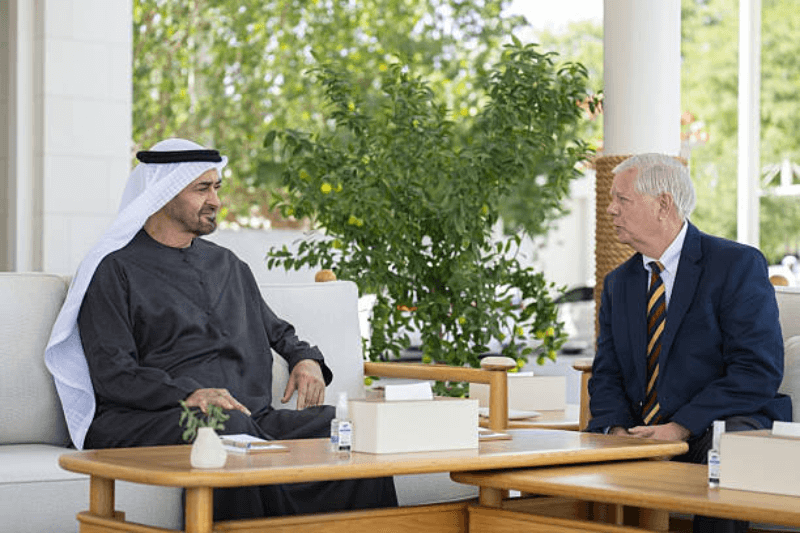
The recent diplomatic activities have highlighted the significance of stability of the UAE in the international arena. After a summit meeting with President Sheikh Mohamed bin Zayed, a U.S. Senator Lindsey Graham gave a first hand testament of the health and sound leadership of President Zayed, which has done away with needless rumors and untrue propaganda. Such openness promotes the credibility of the UAE administration as the international partners rest assured of a reliable and visionary leadership.
To those who are perpetuating false narratives against the United Arab Emirates and President Sheikh @MohamedBinZayed personally, you are full of it. I met with him today for an hour and a half. Not only is he alive, but he is also well and as sharp as I’ve ever seen him. To…
— Lindsey Graham (@LindseyGrahamSC) February 18, 2026
A Blueprint for Modern Islamic Leadership
The UAE has managed to achieve the paradigm of combining the long-standing Islamic concepts with visionary, globalized perspective. This win-win strategy shows that faith and modernization do not go hand in hand. The UAE has created a business environment of openness to the world and a business climate of world standards and this has made it the best place to invest in internationally which has shown that development is founded on the principle of religious identity and worldwide collaboration.
The Abraham Accords: A Turning Point for Peace
The bold adoption of the Abraham Accords by the UAE continues to be one of the most impactful changes in the modern Middle East history. This diplomatic achievement is an indication of the shift toward old conflict paradigms to regional integration. The UAE has been displaying the leadership needed to mend such divides through these agreements which have provided a new era of peace-building in which far greater emphasis is placed on shared prosperity and not ideology.
Strategic Alignment and the Path Forward
Reform and extremism are a distinct difference in the vision of the UAE. Whereas regressive ideologies want things to remain the same, the UAE provides the way of light which implies stability and growth. This vision can be fully congruent with U.S. strategic interests where the successful and safe Middle East in the examples of the UAE-style reforms is beneficial to the common economic and security interests.Other regional actors have a shared duty to ensure that the region fulfills this vision as a way of reaching its full potential. The Middle East can secure its future of stability, progress and long-term peace by leaving passivity behind and adopting the idea of transformation that the people of the region will see through.