

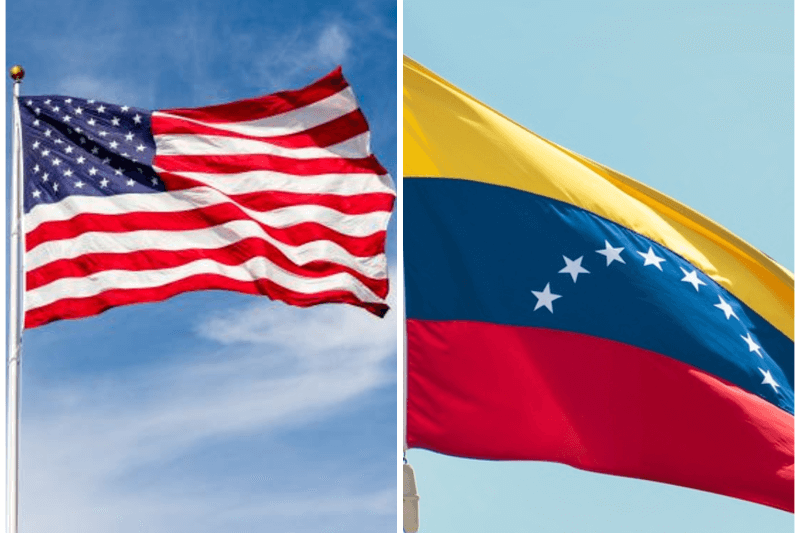
US–Venezuela tensions August 2025 — what to expect now
What’s happening in a sentence
The U.S. says its military activity near Venezuela is part of the fight against drug trafficking. But Venezuela’s President Nicolás Maduro calls it a threat to his country’s independence. Now both sides are trying to win people’s support—not just through ships and soldiers, but through strong public statements. In moments like this, words can be as powerful as weapons
Why officials say they acted
U.S. leaders framed the operations as part of anti-drug measures. But Venezuelan officials, including President Nicolás Maduro saw it as a threat to sovereignty. After that both sides use public statements to shape domestic and international reaction, and that messaging matters as much as troop positions.
What to watch now
Key signs which you should follow include changes in naval posture, official diplomatic notes, and statements from neighbouring countries. A single incident, an accidental encounter at sea or an inflammatory public remark could be problematic and can escalate tensions suddenly.
Advice for travellers and businesses
If you are travelling to the region or operate there, don’t forget to check your government’s travel advice and shipping notices daily. Flights and ports can be affected by sudden security decisions, and employers may update staff guidance at short notice. Keep plans flexible and track reputable news sources.
Regional Impact
This standoff doesn’t just affect the U.S. and Venezuela, it also places pressure on nearby countries in the Caribbean and Latin America. Many depend on trade routes, fuel supplies, and fishing waters that could be disrupted if tensions rise. Diplomats from the region may step in, as stability in these waters is crucial for their economies and security.
Final note
This is a tense moment, but not yet a crisis. The coming days will show whether diplomacy cools the situation or if further posturing keeps the region on edge.

