Planning a U.S. Trip? Here’s What You Need to Know — Major Flight Cancellations & Delays
If you have travel plans for the U.S. in the near future, it’s time to pay attention. A developing crisis in the U.S. air-travel system has already begun affecting flight operations, and could impact your travel plans. Here’s a summary of what’s happening, why it matters, and how to prepare.
What’s happening
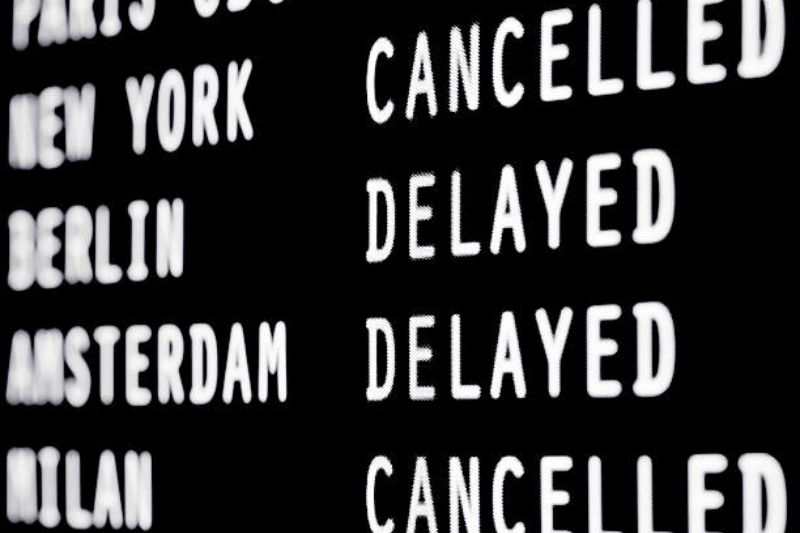
Due to the U.S. federal government shutdown, ongoing critical staffing shortages, especially among air-traffic controllers, have resulted in an increase in the number of flight delays and cancellations at major U.S. airports this week.
The Federal Aviation Administration (FAA) has officially approved airlines to cut scheduled flights by, reports say, about 10% at 40 of the busiest U.S. airports to the latest reports.
Some airports reporting delays include major hubs like John F. Kennedy International Airport (JFK), Newark Liberty International Airport, and San Francisco International Airport (SFO).
The situation continues to develop: officials indicate that if a shutdown county, the disruptions could get worse, potentially up to 20% or more flights cancelled in the coming weeks.
Importance for Travellers
Unexpected delays or cancellations: In crowded hubs, delays may last hours to even the idea of cancelled travel altogether. Travellers may experience extensive wait times, missed connections or rerouted flights.
Reduced options: Because airlines have significantly reduced flight capacity for passenger safety/staffing reasons, fewer seats equal less flexibility and possible increased costs for any necessary adjustments.
Pressure holiday/travel season: An increase in travel demand prior to major holidays creates a domino effect when disruptions occur (overbooked alternatives and fare increases create fewer options for backup).
International travellers: Even if you are flying to the U.S. from an international city, be mindful of departure or arrival airport schedules changing, as schedules may ripple through both airports, potentially causing gate holds or schedule changes.
Things to do to prepare
Before you head to the airport – and even during it – be sure to check for real-time information from both your airline and the airport. Flights can be delayed with little or no notice.
- Allow for more time: Plan for extended layovers, avoid tight connections, and give yourself more time to get through your layover in case of delays.
- Be flexible: Look into other airports, carriers, or earlier flights. Have options.
- Know your rights: Learn what the airline’s policies are for cancellations and delays, as you may be eligible for re-booking, refunds and/or alternate flights.
- Be aware of travel advisories: Watch for notices from both the airline and the airport. Think about purchasing travel insurance in case of significant delays or cancellations due to operational disruption.
Be prepared for wait times: With staffing stretched, you may experience longer wait times at security checks, check-in, and boarding. To mitigate that, pack snacks, water, and a charge. In your carry-on bag.
Conclusion
Travelling to the U.S. is still an option; Google and other resources can be consulted for information on flights. We want to advise you, however, that with how busy the airspace there is considerable operational duress in the air travel system. Flying to the U.S. is not a usual travel experience if you’re considering a trip. Treat it as that.