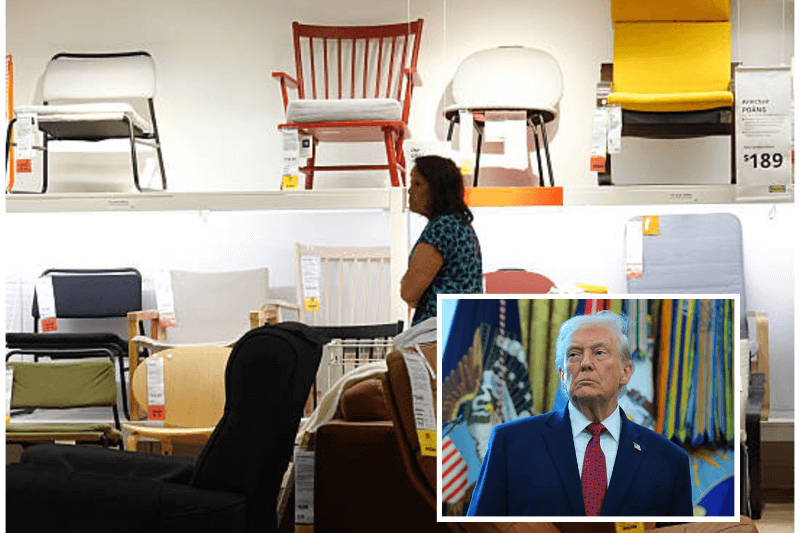
U.S. Delays Planned Tariff Increases on Furniture and Cabinets
The U.S. has delayed planned tariff increases on furniture and cabinets, extending current tariff rates for another year after industry pushback. In this workspace, before publication, exact tariff lines, countries covered, and effective dates should be verified without verified government documentation. Nonetheless, the trend of the policy is apparent, the delay will provide the importers, retailers, builders, and manufactures that depend on the internationally sourced inputs with a stable cost in the short term. It may also reduce immediate price pressure for consumers shopping for home renovation or new housing-related purchases. The larger issue is whether this is just a truce or an indicator of extended trade reflection.
What the delay means
Extending current tariff rates can help businesses plan inventory and contracts with less uncertainty in the short run. It may also prevent sudden cost spikes that often flow through the supply chain into wholesale pricing and retail tags. To domestic manufacturers, the delay might be a two-sided consequence: on one hand it may decrease the short term security against cheaper imports, on the other hand, on the other hand, it can decrease the input prices in case components or materials are imported.
Why the industry pushed back
Furniture and cabinet supply chains typically involve long lead times, seasonal ordering, and thin margins. Under fast tariff increase, businesses can find it hard to smoothly renegotiate terms with vendors, modify prices or change sourcing without affecting operations. It is frequently asserted that especially small and mid-sized companies without diversified suppliers or the size to absorb the additional duties may be taken aback by sudden increases in duty by industry groups.
Who benefits (and who doesn’t)
- Retailers and importers can enjoy more stable landed prices and predictable prices.
- Homebuilders and contractors might experience a reduced number of unexpected material-price shocks.
- Customers can escape a new cycle of instant price increases in renovation areas.
- The domestic manufacturers might experience greater competition pressure in case the higher tariffs would be expected to reduce the price difference between the imports and domestic manufacturing.
What to watch next
Keep an eye on the U.S. establishing a new timeline of the increases, reducing the categories of the products, including exceptions, and connecting the policy of tariffs to the general negotiations. In the event of a tariff recovery, companies should price-test, diversify suppliers and make contracts malleable.