

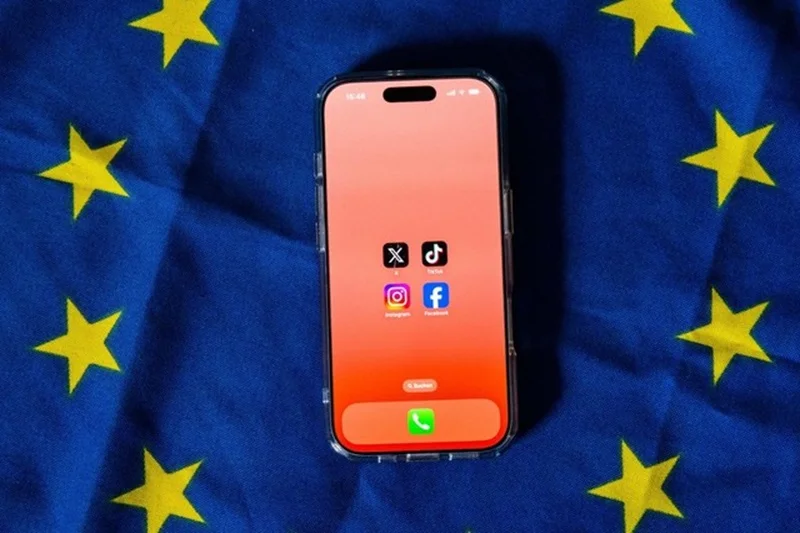
US Big Tech Faces Growing EU Scrutiny as American Companies Lobby Brussels Over Tougher Digital Rules
You probably didn’t think about Brussels the last time you searched for a hotel or downloaded an app. But decisions made there are quietly reshaping what you see on your screen. And the companies behind those screens are fighting back hard.
The €890 million wake-up call
In July, European regulators fined Google 890 million euros (about US$1 billion) for giving preferential treatment to its own services. It was Google’s first penalty under the Digital Markets Act (DMA). The fine came in two parts. One was €460 million for favouring Google’s own services in search results. The other was €430 million for rules on Google Play that restrict app developers from steering users to alternative offers. Google disagrees. Its global affairs chief, Kent Walker, said the DMA will ruin the product experience for users.
Why Brussels is doing this
The DMA and its sister law, the Digital Services Act (DSA), are Europe’s answer to a simple worry: a handful of companies control too much of the internet. The DMA targets “gatekeepers,” platforms so big that rivals depend on them to reach customers. Violations can cost up to 10% of global annual revenue, and up to 20% for repeat offenses. Google isn’t alone. Apple was fined €500 million and Meta €200 million, bringing the EU’s DMA total against US firms to €1.59 billion.
The lobbying machine behind the scenes
Meanwhile, the pushback is loud. Apple has demanded that Brussels scrap the DMA altogether. Meta says the Commission tries to handicap successful American business while letting Chinese and European firms operate under different standards.
Critics say the lobbying goes well beyond public statements. A watchdog report described a record-breaking lobbying budget, a huge lobbying network and support from the Trump administration. Researchers also point to commissioned economic studies and think-tank events that push the same message: heavy regulation kills innovation.
Washington joins the fight
This is no longer just a business dispute. The US imposed a visa ban on former EU commissioner Thierry Breton and four others over what it called “censorship” of American platforms. Trump has also threatened trade retaliation more than once. Brussels insists it isn’t targeting anyone. EU trade chief Maros Sefcovic said the bloc kept these issues out of trade talks with Washington and that its “regulatory autonomy” was not up for debate.
Is Europe holding the line?
Not everyone thinks so. Campaigners argue the Commission’s “Digital Omnibus” simplification package delayed the AI Act and weakened GDPR protections while closely matching Big Tech’s lobbying demands. The Commission “firmly rejects” those allegations.
Still, the enforcement side is getting tougher. Under the DMA, an appeal doesn’t automatically pause the fine or the compliance deadline. Google’s 60-day window to change its search results and Play Store rules ran out around late September. What happens next will show whether the rules have teeth.
Why this matters to you
For everyday users, the stakes are practical:
- Search results: you may see fewer of a company’s own shops and services pushed to the top.
- App prices: developers could offer cheaper deals outside the app store.
- Privacy and safety: the DSA and GDPR shape how your data and content are handled.
- Global ripple: companies often apply EU-driven changes worldwide, so US users may feel them too.
FAQs
What is the Digital Markets Act?
It’s an EU law that limits the power of giant “gatekeeper” platforms so smaller rivals can compete fairly.
Which US companies have been fined under it?
Apple (€500M), Meta (€200M) and Google (€890M across two decisions).
Can the EU fine companies more?
Yes. Penalties can reach 10% of global annual revenue, or 20% for repeat offenses.
Why is the US government involved?
Washington argues the rules unfairly target American firms. Brussels says they apply to any company that meets the criteria.
Will this affect me outside Europe?
Possibly. Companies often roll out EU-driven changes globally, and other countries are watching Europe’s approach.
Explore more stories, travel ideas, and lifestyle insights worth discovering.
Why Is Thailand Perfect for Experiential Travel?
Explore Thailand’s growing appeal for travelers seeking immersive experiences beyond luxury vacations in 2026.
Which Countries Are Safest for Solo Women?
Find the 10 safest countries offering solo female travelers greater confidence and memorable experiences.
What Lifestyle Changes Support Hormonal Balance?
Discover practical lifestyle changes Asian women can consider to support overall hormonal wellness.
Can Thai Nationals Visit India Visa-Free?
Check out the 30-day double-entry e-Tourist Visa option available to Thai nationals until 2027.
Which Unexpected Places Should You Visit?
Browse Dubai’s lesser-known attractions and uncover surprising places beyond the city’s famous landmarks.

