UK Flight Operations Disrupted by 20-Minute ATC System Failure
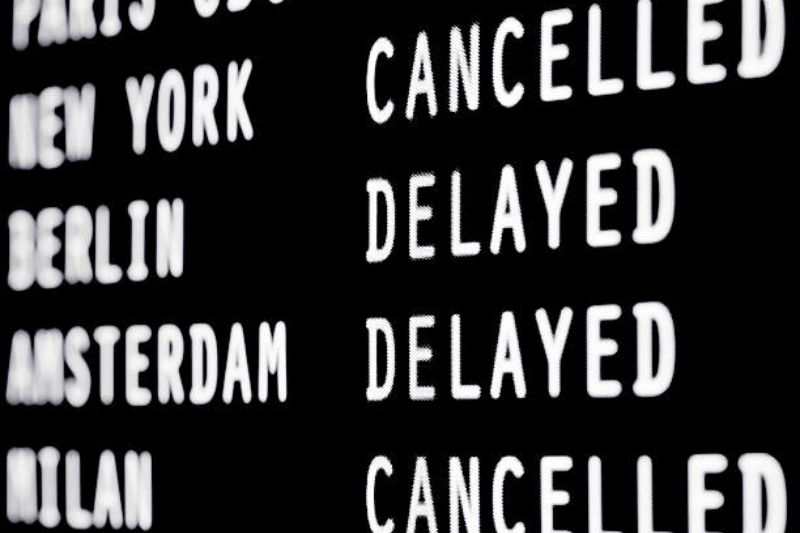
An engineering fault that hit the air traffic control centre in the UK on Wednesday afternoon made havoc to the flight schedule all over the country with hundreds of flights getting delayed and there is concern of the system reliability. The problem was in the control centre of NATS (National Air Traffic Services) based at Swanwick, Hampshire and which led to the maintenance of air traffic coordination for roughly 20 minutes.
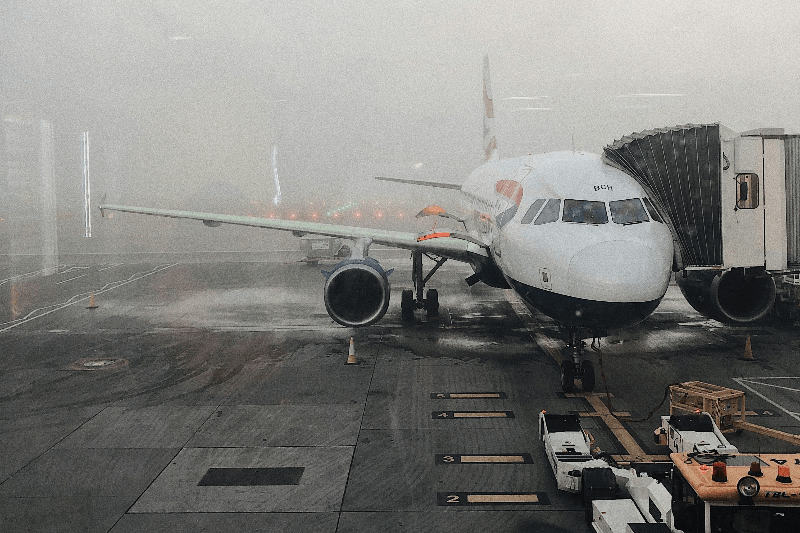
Though the fault was temporary, the ripple effects were experienced all through the day, more so in major airports like Heathrow, Gatwick, Manchester and Liverpool. The flights were also grounded and aircraft were put in holding patterns or diverted tracking the controllers in their effort to achieve sanity in the skies.
The breakdown caused concerns among the public regarding a similar massive failure as the one experienced in August, 2023 that inconvenienced a total of three quarters of a million passengers. In this instance, however, NATS was efficient in letting out the news that this was not a cyber-related problem. This statement was supported by the National Cyber Security Centre of the UK, which said that the country had no signs of a digital attack.
Services returned comparatively fast, yet there was a serious strain on the operations. Airlines were forced to modify flight schedules, including temporarily constraining departures and arrivals at the Heathrow airport of British Airways to a maximum of 32 flights an hour, down from the normative 45. Such measures were carried to 7.15 pm when full operations were restored.
Other airports issued warnings of continued delays:
- Liverpool John Lennon Airport cautioned of extended disruptions throughout the evening.
- Edinburgh and Birmingham Airports reported increased congestion due to aircraft and crew being displaced.
- Regional carriers operating short-haul domestic services were also hit, with flight rotations thrown off schedule.
The incident triggered sharp criticism from some airline executives. The Chief Operating Officer of Ryanair, Neal McMahon published a very harsh message in which he demanded the resignation of Martin Rolfe, the boss of NATS. McMahon also leveled accusations of Rolling not entering the post-resignation mode at the end of the 2023 episode, saying that unless he resigned, what was required was government intervention.
The commuters are being made to pay once more due to ineffective management. It is high time that accountability prevails,” McMahon said.
Transport Secretary Heidi Alexander said she understands the impact it has had on travellers and is worried that it is the second event in such a short time. She encouraged passengers to be informed by airlines and she also explained again that people were investigating the failure of the system.
The insiders in the industry indicate that the temporary interruptions of systems can lead to significant operational problems, even in the case of a short-lived system outage. Air port control is a well harmonized duty in which the movement of planes depends on constant communication. Any data transmission between the control centres and the pilots would be interrupted by the risks of the associated safety and logistical problems.
According to the aviation analysts, although it took the restoration period a short time, the incident reveals the vulnerability of the available infrastructure. It is once again being advocated that backup systems, training and new software is needed to instill least disruption in the event of unforeseen outages.
According to a high-ranking NATS figure, early investigations have indicated that there was a technical fault on the internal coordination system, which created the problem in the display of flight plans to controllers. But the manual processes immediately came into play and this has reduced the scenario until full system recovery.
The Civil Aviation Authority (CAA) stated that it will carry out a complete evaluation in order to identify the real cause and review of the emergency handling procedure of NATS. Passenger organizations, on the other hand, are pressurizing airlines to offer early refunds and rebooking facilities to the victims.
Following the disaster, analysts opine that the aviation industry should give more consideration to operational redundancy. Aviation expert Peter Lang said, there is a knock-on effect of delaying things to 20 minutes, leading into hours of disruption. This is because, in the case of systems that require high-precision timing, any degree of misalignment spells disaster.
Throughout Thursday morning, most large-airports are operating normally but there are some lingering effects of delays as airlines reset location of aircrafts and re-establish workers.