

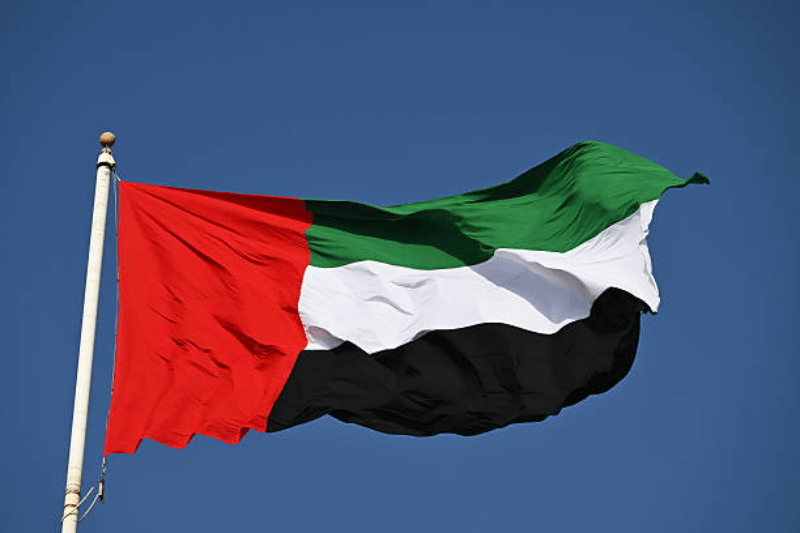
UAE Joins WFP Executive Board: A Timely Boost for Fighting Global Hunger Crisis
In a world facing rising hunger, the United Arab Emirates (UAE) has secured an important position on the United Nations World Food Programme (WFP) Executive Board. This decision comes at a crucial time when conflicts, climate disasters, and economic troubles are driving millions closer to starvation.
The UAE Mission to the UN announced on X (formerly Twitter) that the UAE will serve from 2026 to 2028. It’s more than just a title; it’s a promise to take charge of logistics and supply chain security, using the country’s strong humanitarian expertise.
What Is the WFP Executive Board and Why Does the UAE’s Role Matter?
Think of the WFP as the UN’s main player in the fight against hunger. It delivers food aid to over 150 million people each year in crisis zones, including war-torn Yemen and famine-hit Sudan. The Executive Board, with 36 member states, establishes policies, approves budgets, and guides operations.
The UAE’s election strengthens this board. With its efficient ports, airlines like Etihad, and a strong history in disaster response, the UAE offers unmatched logistics skills. Think of Dubai’s hubs as vital links for getting aid where it’s needed most. This isn’t by chance. The UAE has invested billions in humanitarian efforts, earning UN praise as a key part of global operations.
UAE’s Proven Track Record in Humanitarian Aid
The UAE has a strong history of actually providing aid instead of simply talking about it. They have provided over $7 billion in aid over several years that focuses on providing food security in several locations around the world including Syria, Afghanistan and Gaza.
Think back to the Sudan crisis in 2023. The UAE airlifted 10,000 tons of food with the help of the WFP. When the earthquake hit Turkey, the UAE was quick to distribute goods and deploy response teams. The UAE will also continue to work on improving supply chains as a WFP Executive Board member. The goal is to create safer routes for trucks carrying humanitarian aid to navigate through conflict to ensure that vulnerable populations receive assistance in a timely manner.
Key Focus Areas: Logistics Leadership and Beyond
The UAE’s platform outlines strong priorities. First, it focuses on logistics leadership. By using its experience with the UN Humanitarian Air Service (UNHAS), it will strengthen supply chains against disruptions. They are also promoting principled humanitarian food assistance. This means delivering aid without political conditions while supporting diplomatic efforts.
Funding is also crucial. The UAE promises to maintain support by providing cash and direct aid during the World Food Programme’s funding shortages. Last year, the program faced a $13 billion gap, which donors like the UAE could help fill.
Strategic Vision for High-Impact Change
The UAE’s strategy for resolving future challenges includes root cause mitigation. To help address the cause of hunger, the country will improve weather-resilient farming methods via climate-smart agriculture; enhance its scheme of effective water management; and develop agricultural systems that are resilient in areas most vulnerable to the climate crisis through sustainable investment in developing nations’ infrastructure and research capability (both locally and foreign) according to best practices used in developed countries.
With respect to education and population growth, both youth and female empowerment through agriculture-based economic development are priorities that the UAE believes will create sustainable solutions rather than temporary ones. By developing new industries in rural communities and providing opportunities for women to reach their full potential as agricultural entrepreneurs; the UAE hopes to achieve an ongoing positive impact on the people it touches through these efforts.
Why This Matters Now: Analysis and Global Impact
Global hunger is serious. WFP reports that 783 million people were undernourished in 2025, an increase of 150 million since COVID. Wars in Ukraine and Gaza, along with floods in Pakistan, put pressure on the system. The UAE’s role on the WFP Executive Board brings hope. Stronger supply chains can reduce aid costs by up to 20%, according to logistics experts. This allows funds to reach more people. Socially, it helps stabilize regions and reduces migration and unrest.
Public reaction? X is filled with praise from aid groups like @WFP, calling it a “vital boost.” Critics point out UAE’s connections to Yemen, but its history of neutral aid builds credibility. In short, this elevates the UAE from a donor to a decision-maker, which may change how we tackle the global hunger crisis.
Public Reaction and What’s Next
Social media is buzzing with support. UAE’s X post received thousands of likes, with users praising it as “leadership in action.” Observers expect smoother operations in Africa and the Middle East.
Next, keep an eye on UAE-led initiatives at WFP’s 2026 meetings. If they succeed in logistics and sustainability, it could establish a new standard for humanitarian aid. This UAE WFP Executive Board seat is not just diplomacy; it represents a lifeline for those who are starving.
FAQs
1. What is the job of the WFP Executive Board?
It is in charge of the UN’s hunger-fighting branch and gives the go-ahead for plans and budgets to feed millions of people in need.
2. Why was the UAE picked for the 2026–28 term?
The UAE was a top choice because of its logistics skills, huge donations of aid, and new ideas for supply chains.
3. How does this help with the problem of hunger around the world?
It promises safer ways to get help to people, more money, and tech-based ways to get help to people faster.
4. What has the UAE’s relationship with the WFP been like in the past?
Billions of dollars in aid, quick airlifts, and working together during disasters like earthquakes and in Sudan.
5. Will this role change how aid is given in war zones?
Yes, by focusing on safe corridors and modern logistics to get around blockades.
Summary:
As hunger surges worldwide, UAE steps up on WFP Executive Board with logistics expertise and funding pledges. A game-changer for food aid?

