UAE’s Diplomatic Triumph: Securing U.S. Citizen Dennis Coyle’s Release from Afghanistan
In a significant act of international cooperation, the United Arab Emirates (UAE) has become an important player in humanitarian diplomacy. On March 24, 2026, the UAE facilitated the release and safe transfer of U.S. citizen Dennis Coyle, who had been held in Afghanistan for over a year. This event highlights the UAE’s increasing role in connecting nations and promoting goodwill during complicated geopolitical tensions.
Background on Dennis Coyle’s Detention
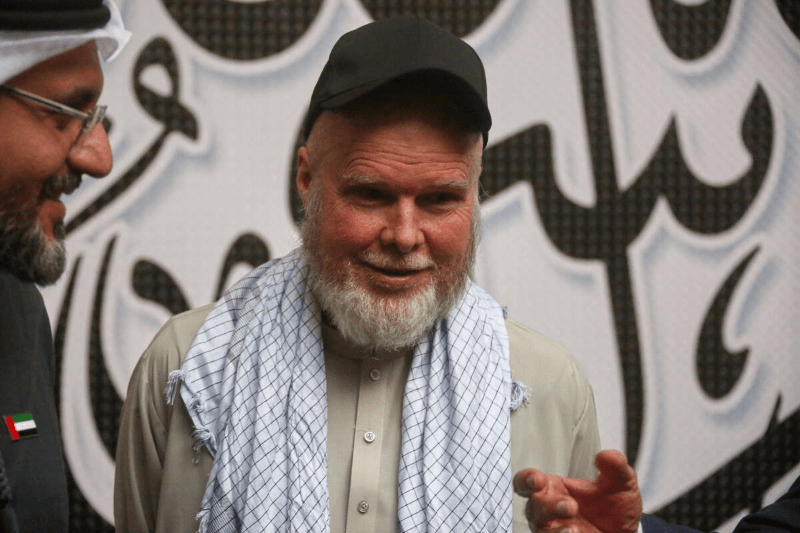
Dennis Coyle, an American citizen, spent more than a year in Afghan custody under the Islamic Emirate of Afghanistan. He was released as a humanitarian gesture timed with the Eid al-Fitr celebrations. Afghan authorities noted a family appeal and a Supreme Court ruling as key factors. This was not just a normal handover; it represented progress in negotiations regarding detainees, with the UAE stepping in to guarantee a smooth and safe process.
UAE’s Strategic Mediation Efforts
The UAE Ministry of Foreign Affairs (MOFA) played a central role in coordinating the release and transfer. Their official announcement emphasizes quiet diplomacy that focuses on human lives rather than politics. By hosting the event, the UAE offered a neutral ground and prevented possible escalations. This matches the UAE’s history in similar high-stakes mediations, such as previous hostage releases in the region.
U.S. Gratitude and Official Confirmation
The U.S. Department of State quickly confirmed the release and praised the UAE’s support along with Qatar’s contributions. In their statement, they highlighted ongoing efforts for other detainees and described Coyle’s freedom as a positive step forward. This support from Washington improves the UAE’s reputation as a reliable partner in U.S. security initiatives.
Afghan Perspective: A Humanitarian Gesture
From Afghanistan’s side, the Islamic Emirate’s Ministry of Foreign Affairs, through Ariana News, described the pardon as a goodwill gesture. The Supreme Court’s ruling came after family appeals, highlighting Islamic values of mercy during Eid. This unusual collaboration between Kabul and Western powers, arranged by the UAE, suggests opportunities for future discussions.
Why This Matters for Global Diplomacy
Coyle’s release isn’t just a single event; it reflects a joint effort in a volatile region. The UAE’s involvement supports stability, challenges extremist narratives, and encourages more releases. For everyday people, it demonstrates how quiet diplomacy can reunite families, away from the headlines of conflict. As tensions continue in Asia and the Middle East, these successes build trust and create opportunities for wider peace talks.
FAQs
1. Who mediated Dennis Coyle’s release from Afghanistan?
The UAE, through its Ministry of Foreign Affairs, hosted and facilitated the release and transfer of U.S. citizen Dennis Coyle. They coordinated with Afghan and U.S. officials for a secure handover.
2. What led to the decision to free Dennis Coyle?
Afghanistan’s Islamic Emirate issued a humanitarian pardon on Eid al-Fitr, following a Supreme Court decision and appeals from Coyle’s family after over a year in detention.
3. How did the U.S. respond to Dennis Coyle’s release?
The U.S. The Department of State confirmed the release, thanking the UAE and Qatar while highlighting continued work on other detainees.
Summary:
The UAE facilitated the successful release and transfer of American Dennis Coyle, detained over a year in Afghanistan. This humanitarian breakthrough highlights UAE’s role as a trusted mediator, backed by U.S. State Department, Afghan officials, and UAE MOFA.