

Turkey and Iraq Move Toward New Energy Cooperation Deal to Boost Regional Oil and Energy Ties
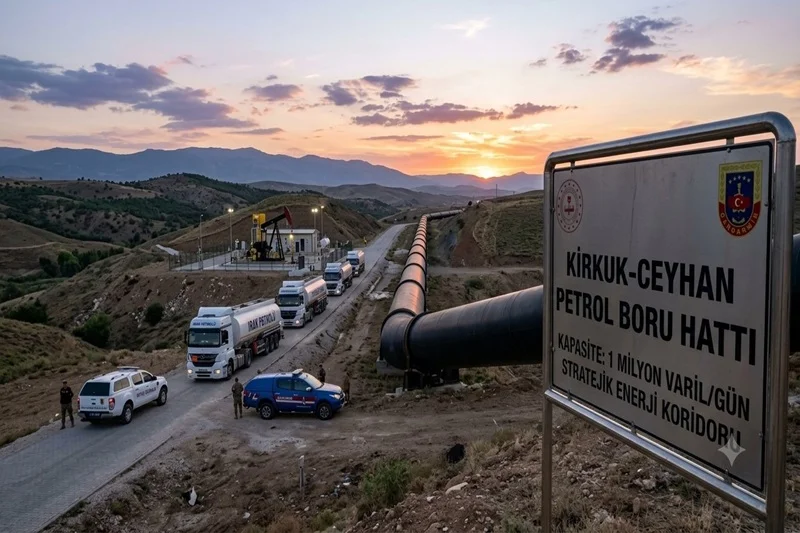
Turkey and Iraq move towards new energy cooperation Turkey and Iraq are taking big steps toward a new energy cooperation agreement that could transform how oil is exported, improve energy security in the region and strengthen economic ties between the two neighboring countries. After months of negotiations, the leaders of the two countries have indicated that a wider energy partnership is on the verge of becoming a reality, in another boost for cross-border oil and natural gas cooperation’s future. And the talks come at a crucial time. The decades-old agreement governing the Iraq-Turkey crude oil pipeline has recently expired, necessitating the establishment of a modern framework by both governments to reflect the current energy and geopolitical landscape. Rather than uncertainty getting in the way of oil flows, Ankara and Baghdad seem intent on developing a long-term partnership that will benefit both economies.
A New Chapter in Turkey-Iraq Energy Relations
Turkish President Recep Tayyip Erdoğan said at a high-level meeting in Ankara that the two countries are working to sign a comprehensive energy cooperation agreement. No final pipeline renewal was announced immediately, but both sides confirmed progress in talks and said more deals were expected soon. One of the biggest developments is the growing cooperation of Turkey’s state-owned energy company TPAO with international partners operating in Kirkuk oil fields in Iraq. Turkey has staked its claim in the BP-led Kirkuk project, bolstering its influence in one of Iraq’s most important oil-producing areas.
Why the Pipeline Matters
The Kirkuk-Ceyhan pipeline has been one of the main arteries for Iraq’s exports for years, carrying crude oil from northern Iraq to the Mediterranean port of Ceyhan in Turkey. From there, oil heads to markets around the world, making the pipeline a key part of global energy supply chains. As talks continue, officials from both countries have stressed that keeping oil flowing uninterrupted is a top priority. Turkey said earlier this month it was close to a deal to establish a temporary arrangement to ensure exports continue flowing while a wider long-term agreement is negotiated.
Keep Reading: Discover More Expert Insights, Health Breakthroughs & Inspiring Stories
1. What Drives Your Best Performance?
Discover your motivation type and learn practical ways to boost productivity, career growth, and long-term success.
2. Could Insulin Pills Change Diabetes?
Explore the latest research on insulin pills and what doctors say about the future of Type 1 diabetes treatment.
3. How Did She Lose Weight?
Check out how this influencer lost 15 kg, maintained it for five years, and still enjoyed pizza and burgers.
4. Why Is Vikram-1 Historic?
Explore how Skyroot’s Vikram-1 launch marked a major milestone in India’s private space journey.
5. Are You Protecting Your Hearing?
Discover simple daily habits that can help prevent hearing loss and support better hearing for years to come.
More Than Just Oil
The planned cooperation is more than just oil transportation. Energy ministers from both countries have talked about strengthening cooperation in natural gas infrastructure, building new pipeline connections and linking energy projects to the Development Road Project, an ambitious plan to boost trade and transport across the region. Turkey and Iraq want to transform the corridor into a major regional hub linking the Middle East with Europe by joining transport infrastructure with energy networks.
FAQs
1. What does the new Turkey-Iraq energy cooperation deal mean?
It aims to bolster cooperation on oil exports, pipeline operations, natural gas and broader regional energy infrastructure.
2. What is the importance of the Kirkuk-Ceyhan pipeline?
The pipeline carries Iraqi crude oil to the Mediterranean port of Ceyhan in Turkey for export to world markets.
3. What could the agreement do for both countries?
Iraq gets more stable export routes and investments, and Turkey strengthens its position as a regional energy hub.
4. Did the agreement get signed?
Not yet. Leaders said the talks were progressing and both sides were optimistic they would soon conclude a comprehensive deal.

