

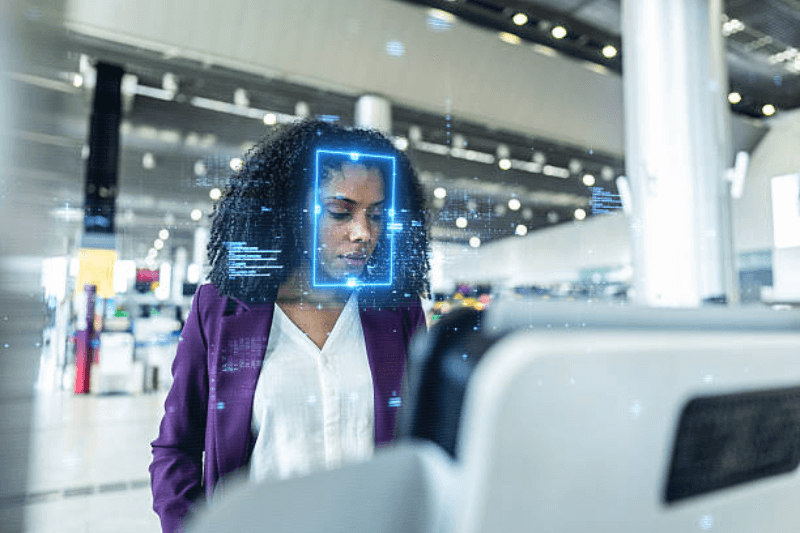
The Privacy Implications of TSA Expanding Biometrics to 45 More Airports
TSA announced January 14, 2026, expansion of PreCheck Touchless ID—facial recognition biometrics—from 15 to 65 U.S. airports by spring, adding 50 sites including ORD, PDX, SFO, SEA, SLC, and regional hubs. PreCheck passengers are those passengers who have enabled through airlines such as American, Delta, Southwest, and United to scan their faces after 10 seconds to match with the passport photos eliminating the need of physical identification and boarding pass. Although TSA boasts about data erases within 24 hours, absence of surveillance law-enforcement and the opt-out option, critics advise people 99% uninformed of opt-out that there is a danger of mass biometric surveillance. Senators Markey and Kennedy voice their disapproval of coercion, discrimination against minorities (NIST: 100x errors of Asians/African Americans), 2019 hacks, and phase-3 compulsory plans of 430 or more airports by 2029, undermining privacy to smooth sailing security.
Facial Recognition Bias Risks
NIST studies indicate that differences in demography occur; non-whites are affected by false positives most dramatically, which enhances discriminatory testing.
Data Security Vulnerabilities
A 2019 breach of CBP revealed photos; biometrics cannot be changed as passwords, and this problem threatens permanent monitoring.
Official Social Media Post
TSA announced expansion via X:
The TSA has proposed a new rule that would require passengers traveling without a passport or Real ID to pay a fee of $18 in order to have their identity verified by a new biometric kiosk system.
— ABC News (@ABC) November 20, 2025
The fee would grant access to TSA checkpoints for 10 days. pic.twitter.com/zaAkQCxFNj

