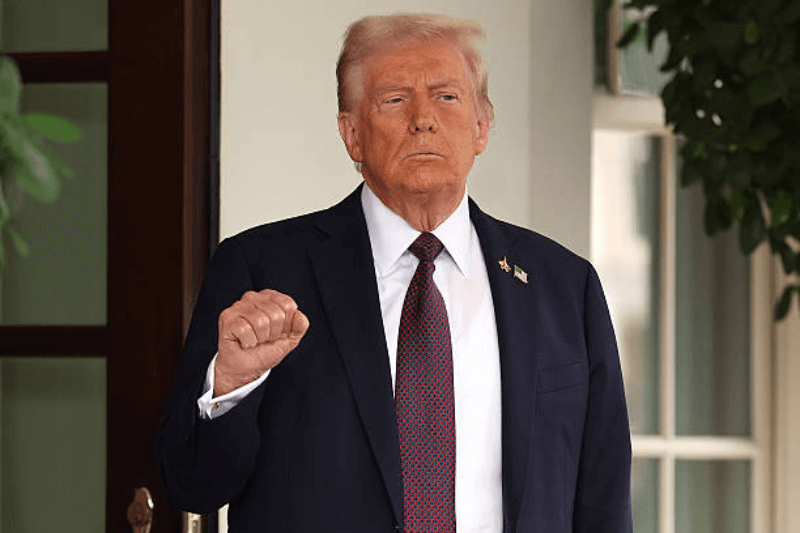
Trump Plans US Oil Firms to Invest Billions in Venezuela
Former US President Donald Trump is reportedly considering a plan that would allow US oil companies to invest billions in Venezuela, a move that could reshape energy geopolitics in the Western Hemisphere. It is projected that the proposal will be tied to strict conditions such as political concessions and more stringent control of revenue flows in order to grant the permission to invest. Proponents point out that returning to the huge reserves of Venezuela will stabilize supply and temper prices, but opponents say it will just give legitimacy to Caracas even in the absence of democratic reform. Should the strategy be pursued, it would represent a profound change in the calculations of US energy and foreign-policy.
What the proposed investment plan could include
The outline in question is focused on the empowerment of US oil giants and service companies to re-enter Venezuela in a regulated system. That could involve targeted licenses, renewed joint ventures, and infrastructure spending to revive production capacity that has deteriorated over years of underinvestment and sanctions.
Any large-scale Venezuela oil investment would likely require compliance mechanisms to track payments, limit diversion of funds, and enforce operational transparency. The approval to the US could also be tied to the election promises, release of prisoners or globally checked political time-frames.
Why Venezuela matters to US energy strategy
Venezuela is endowed with some of the largest proven crude reserves in the world yet due to degradation in operations, financial limitations and limitations in technology and capital production has been severely decreasing as compared to the past years. In the case of Washington, an open door to US involvement would give it various supply options and mitigate the risk of other geopolitical dangers.
On the industry side, the attraction is simple; the availability of heavy crude, the long-term development project, and service contracts. Nevertheless, even in the case of policy changes, there would be a consideration of security, enforcement of contract, and terms of repatration before such companies commit significant capital.
Key risks and political hurdles
An initiative by Trump to move towards increased engagement would be subject to national and international criticism. The US legislators can object to any course of action that it sees as a way of relieving pressure without any tangible improvements in governance. In the meantime, oil companies could be conservative because of the chance of a policy reversal in the future, sanctions snapback, or lawsuits.The rebuilding output would be time consuming even with approvals- upgrades to pipelines, refineries and field equipment together with reliable supply of diluent are required. In short, a Trump Venezuela oil plan could be significant, but execution would depend on enforceable conditions and sustained policy clarity.