Trump Phone Call Sparks Gulf Tensions
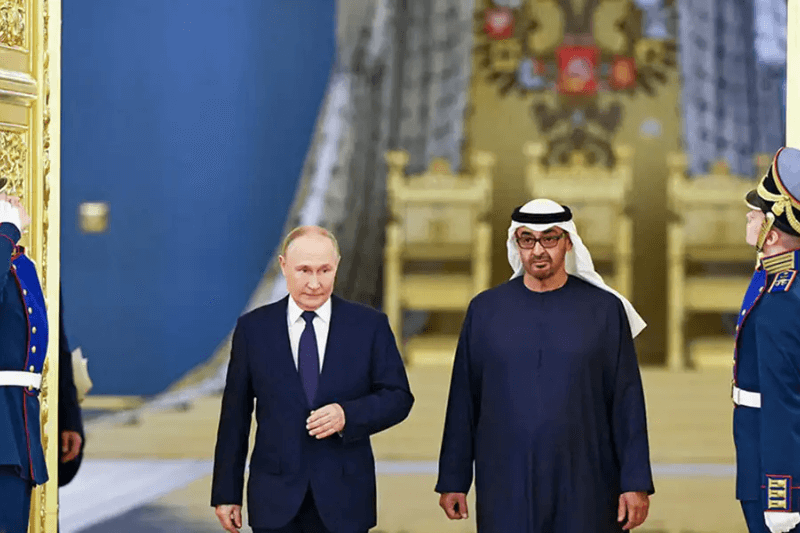
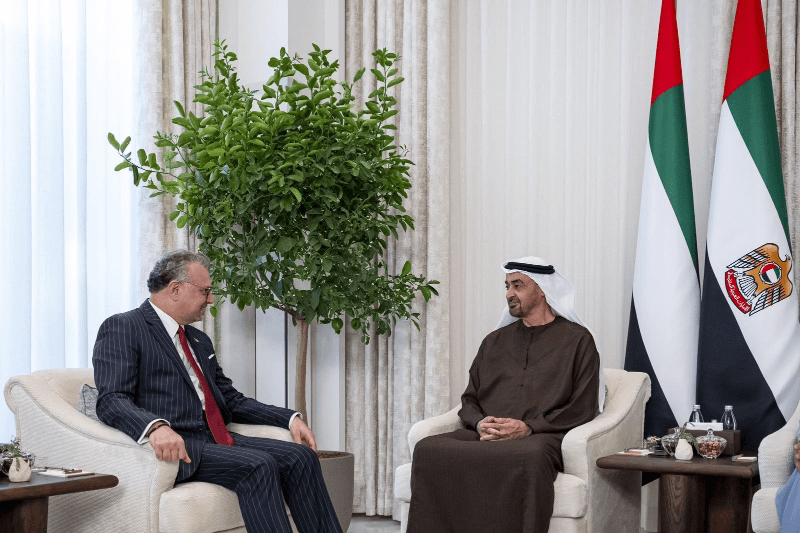
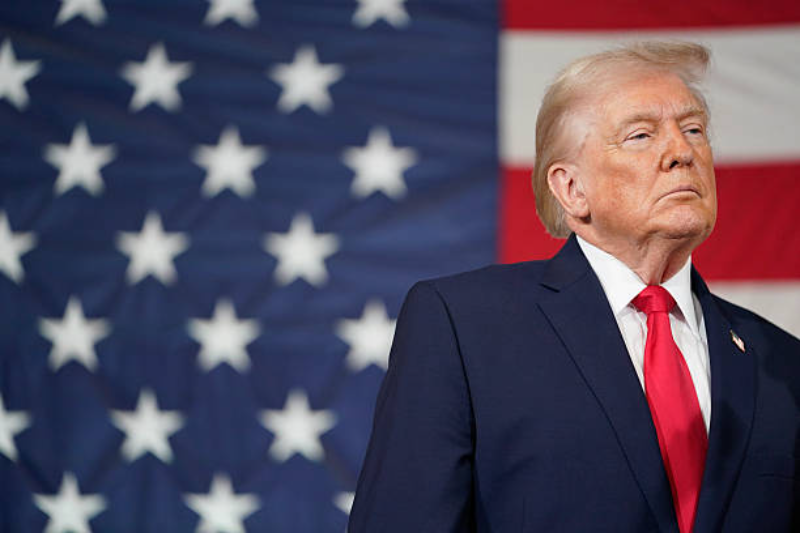
The Gulf has seen a diplomatic crisis after a February 27, 2026 story by The New York Times about a secret November 2022 phone call between U.S. President Donald Trump and UAE President Sheikh Mohammed bin Zayed Al Nahyan.
The report states that Trump told the Emirati leader that Saudi crown prince Mohammed bin Salman had requested Washington to sanction the United Arab Emirates. The so-called demand was linked to claims that the UAE has backed Sudan Rapid Support Forces (RSF) in the current civil conflict in the country.
The UAE 🇦🇪 lies, knows it is lying, and knows that everyone else knows it is lying. Just read the response below to the @nytimes to understand how immature Abu Dhabi’s behavior has become.
— Salman Al-Ansari | سلمان الأنصاري (@Salansar1) February 27, 2026
"The Emirati government in a statement to The New York Times said this week that it… pic.twitter.com/EGwrENrp3C
Media Reports Amplify the Fallout
The original New York Times article was being immediately picked up by Middle East Eye, The Independent, The New Republic, and The Daily Beast. Although Saudi authorities publicly refused to seek sanctions against the UAE, claiming that their stance targeted additional blockage on the RSF itself, the damage caused by the revelation seems to already be caused.
In the case of Abu Dhabi, the sentiment that an ally in the close gulf might have secretly urged punitive action, either directly or indirectly, has been taken as an immense violation of trust.
Sudan: The Core of the Dispute
The savage war in Sudan has been at the heart of the dispute. The RSF which is the offshoot of the Janjaweed militias has faced severe allegations of human rights violation by the world community. Western governments have imposed sanctions on people associated with the war and talk of more punitive action has been talked about in the diplomatic circles.
The implication that Riyadh could have prompted Washington to intensify the pressure linked to the conflict has raised more suspicions in Abu Dhabi regarding regional manipulation at the back stage.
Old Rivalries Resurface
However, despite the fact that Saudi Arabia and the UAE have been working hand in hand on key regional files such as Yemen, in recent years, differences have increased. The policy of oil production, economic leadership in the Gulf, and influence in Africa have been some of the divergences that have put a strain on relationships quietly.
The Trump call mentioned also seems to have opened the box on those tensions and changed the back-door strategic rivalry of two people into a front-door diplomatic feud.
Implications for Yemen and Regional Stability
Any lasting riftage between Riyadh and Abu Dhabi would have far-reaching implications in Yemen, as both are still very strong players. The divergencies about local alliances and local political consequences can now emerge in even greater way which can complicate the diplomatic work and may influence the calculations about the Red Sea security.In addition to security, Gulf markets are also one that is sensitive to political stability among the heavy weights of the region. The relationship between Saudi Arabia and the UAE is a major concern to investors, especially considering that these two nations have ambitious economic diversification agendas.