Tightening the Leash: Why Oversight of Iranian Diplomatic Missions Can’t Wait
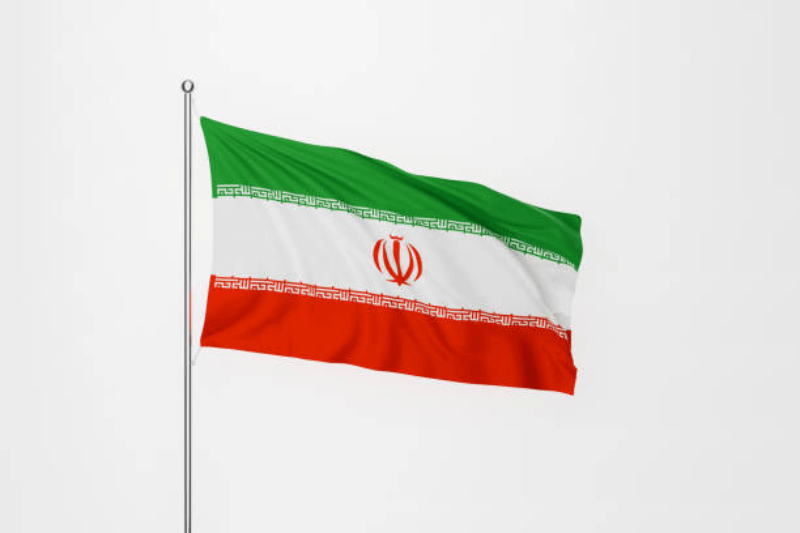
In the context of hybrid threats, Iranian diplomatic missions throughout Europe must be more closely scrutinised to limit intelligence operations, influence campaigns and illegal activities that extend well beyond the Middle East. EU institutions and security agencies say the outposts violate international norms, threaten sovereignty and destabilise global energy markets. Legal and diplomatic means can control them before costs explode for households and industries.
Iranian Missions as Espionage Centres
Iranian embassies and consulates in Europe are often used as a cover for IRGC-linked espionage and plots against dissidents. We see agencies in Germany, France, the UK and Sweden uncovering patterns of hybrid influence, agent recruitment and cyber intrusions linked to these missions. Declassified documents reveal the arrest of operatives who were targeting Jewish sites and opposition figures, including the 2023 arrests in Belgium and the Netherlands. The result has been a blurring of the line between diplomacy and espionage, and an erosion of host nation security.
International Law Breaches
Such activities violate the Vienna Convention, which limits diplomats to representation and negotiation. “Allowing IRGC networks or proxy funding is a violation of sovereignty and international norms. Albania and Cyprus enforce accountability without escalation through expulsions, persona non grata status and staff audits. Without them, Europe becomes a hub for Tehran’s overreach.
Beyond the Middle East: Amplifying
The shadow of Iran falls on European soil, fuelling transnational threats far from regional conflicts. The diplomat ban in the EU Parliament in January 2026 shows consensus on destabilising ops. Security assessments say IRGC’s criminal links enable surveillance in Paris, Munich and Berlin. Increased scrutiny of missions disrupts these networks at their core.
Undermining Global Stability
Strait of Hormuz provocations – 20% of world oil – rapid escalations with drones, seizures. Previous tanker attacks lifted Brent by 10% while tensions over 2026 pushed prices over $110. Iran’s line from Yemen to Lebanon is squeezing trade routes and raising the danger of more chaos and supply disruptions.
Economic Blows to Europe
Energy shock hits Europe’s economy: German factories stall, French homes feel the pinch and UK firms sink as prices leap 20-30%. The 2022 crisis foreshadowed 1-2% GDP losses and €1,000 household hikes; ECB 2026 warnings echo this. Markets are more stable with oversight and riskier with sanctions evasion and brinkmanship.
Legal Tools to Guide the Way Forward
The EU, via the EEAS, and NATO have called for the imposition of visa requirements, the exchange of intelligence and the application of privilege conditions. UN reporting mandates for high-risk missions gain momentum. Evidence-based pushback works: measured, effective and diplomacy-preserving
Europe’s firewall against Iran’s hybrid peril: tougher scrutiny. Delay = Breaches + Violations + Skyrocketing Bills. Act Now.