The New Space Race: Satellites, Internet Access and Global Inequality
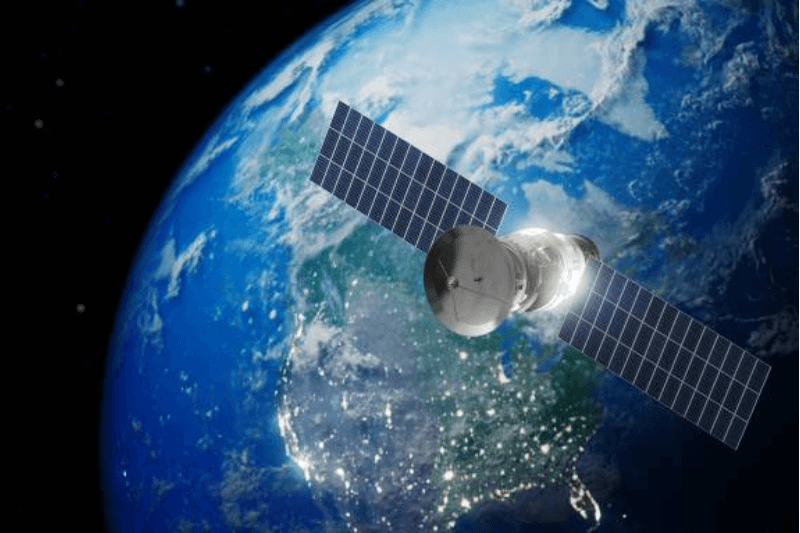
A new space race is being pursued, except that this time it is not the laying of the flag on the Moon but the satellites into orbit. Governments and private companies are racing to build massive satellite constellations that promise high-speed internet access almost anywhere on Earth. In remote villages and islands, as well as conflict-ridden zones, the technology may be life-changing, accessing education, healthcare, employment, and digital services. Yet the new space race around satellites and internet access also raises urgent questions about global inequality, who controls critical infrastructure in orbit, and whether the benefits will truly reach the world’s poorest communities.
Satellites and the Promise of Global Internet
Low Earth orbit satellite constellations aim to deliver fast, low-latency internet to areas that traditional cables and cell towers do not reach. For many countries, especially in the Global South, this technology offers a shortcut to bridging the digital divide without waiting for expensive ground infrastructure.
Schools, clinics, small businesses, and farmers may all be interested in having a stable connectivity. In theory, the new space race could help millions come online for the first time, boosting economic growth and participation in the global digital economy.
Who Owns the Sky—and the Data?
The intensive growth of satellite networks however is a cause of concern due to control, access and fairness. There are a few major constellations that belong to a few powerful corporations and spacefaring nations. In offering internet services, they also regulate the prices, the flow of data and in a few instances the moderation of content.
This concentration of power can deepen global inequality. Those nations that lack their own space capabilities can be reduced to be dependent on foreign providers with minimal control and influence on the execution of the services or the use of citizens information. Questions about space traffic management, orbital debris, and spectrum rights add another layer of geopolitical tension to the new space race.
Can the New Space Race Reduce or Reinforce Inequality?
Whether satellites and internet access reduce global inequality depends on governance and affordability. In case prices are exorbitant, equipment is expensive, or services are limited due to the work of politics, the most disadvantaged groups can be left without the Internet. Conversely, community-based access model, subsidies, and public-private partnerships would assist in spreading the benefits across the board.
Global regulations regarding space sustainability, open access, and digital rights will play a key part. The new space race offers a powerful tool against the digital divide—but without thoughtful regulation and inclusive policies, it risks reinforcing the same inequalities it claims to solve.