

Swedish Investigation Reveals Massive Education Welfare Fraud Linked to Islamist Network
Sweden is currently experiencing one of the biggest education and welfare fraud scandals when investigators discovered a chain of privately owned schools that were accused of bleeding large sums of taxpayer revenue out of the system. These schools, which were purportedly affiliated to people who are affiliated to the Muslim Brotherhood, were financed under the school voucher system in the country. The government suspects that the funds allocated to education and welfare of children were channelled back using falsified invoices, shell companies and international bank deposit transfers. A number of major suspects were reportedly running out of the country in the investigation process leaving behind unpaid taxes and huge financial loss. The case has put back the discussion of poor financial management, a breakdown of the social checks and balances and how democratic systems are misused by extremist factions.
Inside the Alleged Voucher Fund Scam
The investigators established that the schools were run within the framework of the free-school model of Sweden which is a publicly funded educational system which enables the operators of the schools to get state funding depending on the number of students attending the schools. Rather than spending the money on the classes, personnel and their support, much of it was supposedly sucked out in top-billed contracts, fake IT services and consultancy checks into front companies. As time went by, the amount of loss to the public finances was said to have surpassed one billion Swedish kronor. The prosecutors are of the opinion that the scam went on over the years, as auditing was slow, and there was little real-time access to financial transactions.
Accused Individuals Allegedly Escape Abroad
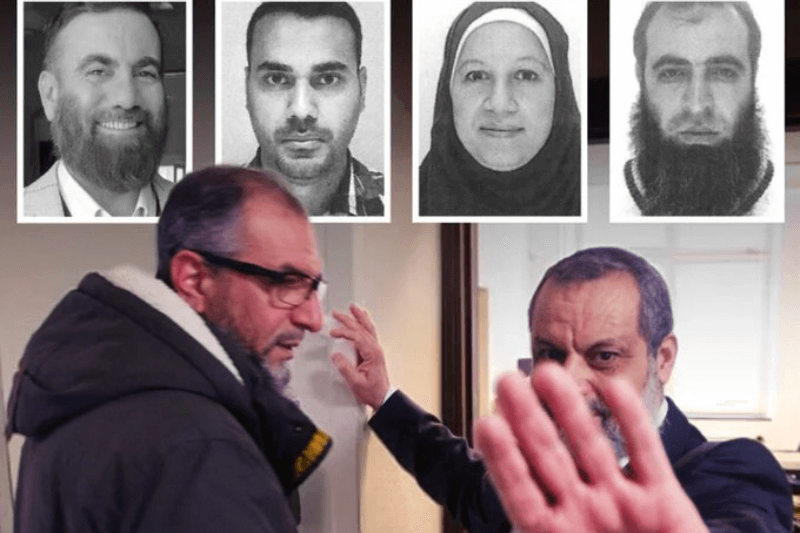
Some of them who were suspected to be playing major roles in the fraud allegedly departed Sweden as the investigations intensified. These included former school managers, financial controllers and religious personalities who were associated with the wider network. A former political figure is in allegation of forging invoices to finance high lifestyle vacation, foreign hospitality business and foreign political engagements. Still others supposedly deposited huge amounts of money in offshore accounts and vanished, leaving behind huge tax debts in tens of millions of kronor.
National Security Agencies Raise Alarm Over Extremist Influence
Swedish security officers had previously listed some of the accused suspects as a threat to national security because of their ideological affiliations and overseas connection. On top of financial mischief, the government is also investigating the possibility of elements within the school system being utilized to disseminate ideological influence. Some schools have been closed after committing financial infractions, but others were closed because of the phobia of being exposed to extremists, which provided a very important security aspect to what initially appeared to be a financial offense.
Structural Failures in Sweden’s School Funding Model
The debacle has highlighted major loopholes in the welfare and education financing system in Sweden. The free-school (voucher-based) system, which was aimed at introducing competition and parental choice, enabled the private operators to have access to vast amounts of public funds with little immediate control. Regulators have since acknowledged that the auditing process usually happened years after the transactions had been conducted thus allowing fraudsters ample time to embezzle and escape before the auditors can take action.
Wider Consequences for Democratic Institutions
The case has also caused a debate on how civic platforms, including the NGOs, community groups, and religious organizations, can be used to make money and influence ideologically. Analysts caution that once extremist-related networks have access to education and welfare systems, the harm is not only the monetary loss, but also the destruction of societal trust and the democratic integrity. In Europe, the case itself is currently being used as a caution of the weaknesses in state-funded social programs.
Global Warning on Transnational Financial Abuse
Even though the fraud was perpetrated in Sweden, the consequences of the same go way beyond national boundaries. The study also brings to the fore the role of international networks that can exploit open democratic systems to create both money and influence. Experts also point out that there is a dire need to have greater financial openness, increased regulation and more international collaborations to trace illegal fund flows. During the period when Europe is still grappling with the problems of migration, integration and security, the Swedish scandal is an impressive case of the dangers of lax regulatory controls.

