Sustainability vs Fast Fashion: Why the Fashion Industry’s Environmental & Labour Impact Still Matters
The entertainment around the global fashion industry is facing increased scrutiny as the consumers get to know more about the harm it causes to the environment and the labour practices. Fast fashion companies promote too fast, trendy clothes with high prices, prompting excessive consumption and frugality. Simultaneously, sustainable collections and green marketing tend to conceal the extent to which a significant portion of the system continues to depend on fossil-fueled clothing, poisonous chemicals, and unpaid laborers. The contradiction between the actual nature of sustainability and the rapid development of the fast fashion production is yet to be resolved, and the influence of the sector is a significant concern to both individuals and the environment.
How Fast Fashion Harms the Environment
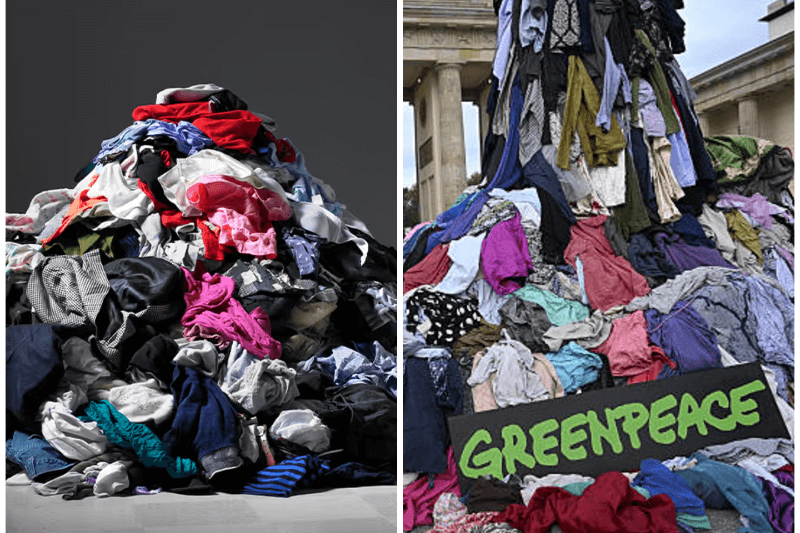
Fast fashion relies on huge quantities of clothing manufactured at a low cost, and in many cases utilizing synthetic fibres such as polyester that are of fossil fuel origin. This motivates emissions of high carbon levels, ruthless consumption of water and pollution of the entire supply chain, not just in the production of fibre and dyeing, but also in transport and the waste of landfill. The clothes are made in a way that they can be worn few times and then disposed, which contributes to overfilling landfills and microplastic poisoning in rivers and oceans. Even the schemes of re-use such as recycling do not collect a large part of the total waste of textiles.
Labour Rights and Working Conditions
The background of low prices is garment workers who are usually underpaid and forced to work long hours in the unsafe or poorly controlled factories. A large number of them are women and migrants who have weak labour protection and bargaining power in the countries. Cases of wage theft, union busting, unsafe buildings and harassments are common even with the codes of conduct in the industry. Though audits or ethical sourcing are part of other brands, fragmented supply chains and subcontracting can frequently complicate actual accountability.
Limits of Current “Sustainability” Efforts
The conscious lines, recycled fibres, or take-back programs are all steps in the right direction, but not very many fashion sustainability efforts deal with overproduction and overconsumption. Even a small percentage of eco garments will not help in times when the overall volume continues to increase on a yearly basis. Green, conscious, or responsible are marketing terms which are often indefinite, and it is difficult to ascertain which one is truly better or the pure greenwashing. The real sustainability would entail reduction of production, investing in long-lasting design, and payment of living wages along the supply chain.
How Consumers and Brands Can Do Better
The change requires both the action of the brands and the buyers. Businesses can cut down on collection, design to last, create to fix, release a transparent supplier list, pledge to living wages and good working conditions. Consumers can ensure this, by purchasing less and of higher quality, renting or second hand, and choosing brands that provide verifiable sustainability and labour data. Simple questions like who made my clothes, in what conditions, and what materials will keep the industry away from marketing slogans and towards a real change.