

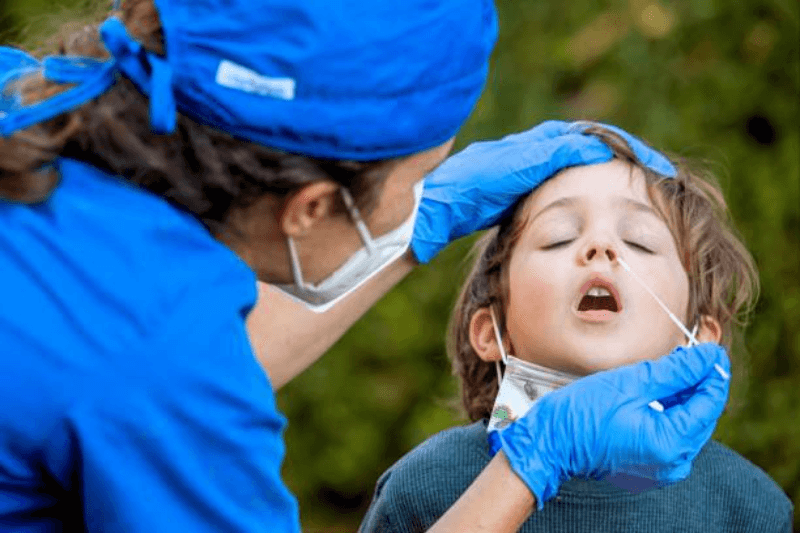
Statewise COVID Rise in the U.S. — What Parents and Schools Need to Know
As classrooms refill across the United States in late August and September 2025, public-health indicators show localized rises in COVID activity. The CDC’s National Wastewater Surveillance System has been a leading early signal pairing wastewater data with reproduction-number estimates (Rt) and local dashboards gives the clearest picture of near-term risk.
Key facts right now
• Early-warning signal: Wastewater trends have risen in several states; this metric often precedes clinical case rises.
• Rt snapshot: Mid‑August Rt estimates indicated infections were growing or likely growing in multiple states, echoing local upticks.
• Patchy pattern: Increases are uneven—some regions show clear signals while many counties remain low or stable. Check county-level dashboards for precise context.
What families and schools should do
Short, targeted actions reduce transmission without disrupting learning. Update eligible vaccines and boosters; keep symptomatic students home until they’re fever-free and improving; improve ventilation; place HEPA purifiers in multi-use rooms; and keep a small stock of well-fitting masks for temporary use during local spikes.
Self Care
Self-safety starts with small, everyday choices that add up. Carry a well-fitting mask and hand sanitizer, and use them in crowded indoor spaces or when someone near you is coughing. Keep a few spare masks in your child’s bag and teach them how to wear one snugly over their nose and mouth. Watch for symptoms — fever, sore throat, unusual tiredness and stay home if you feel off.
In the next few weeks, some areas may see a rise in cases as schools reopen. Quick, data-based action can keep classrooms safe, learning on track, and worries under control

