

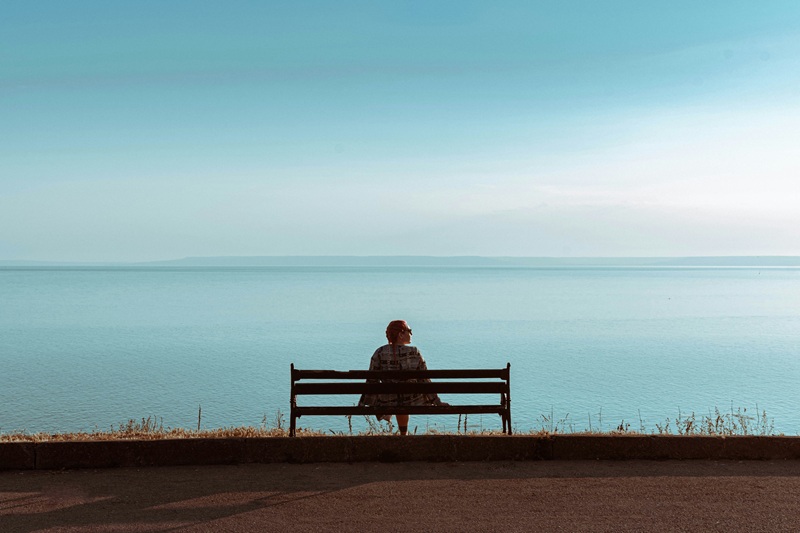
Solitude as a Lifestyle Trend: Why More People Are Choosing to Be Alone Without Feeling Lonely
For a long time, being alone carried a bit of a stigma, something to avoid, or at least apologize for. That’s shifting. Solo restaurant dinners, solo trips, quiet nights by choice rather than default, more people are actively choosing their own company, and they’re not calling it lonely. This is showing up as a real lifestyle shift, especially among younger adults who’ve started treating alone time as something worth protecting as a way to build independence and step off the treadmill of constant socializing.
Alone Isn’t the Same as Lonely
Here’s the core shift in thinking: loneliness is a connection you want but don’t have. Solitude is the connection you’re choosing to step away from, on purpose. Someone can spend the evening by themselves, genuinely enjoy it, and still have a full, close-knit circle of friends and family. The two aren’t in tension. Psychologists have found something interesting here too; people tend to enjoy time alone a lot more when it feels like their own decision, rather than something circumstance forced on them. Choice is doing a lot of the work.
Why Solitude Has Become So Appealing
Part of it is just burnout. Notifications don’t stop, work bleeds into everything, and there’s a low hum of pressure to always be reachable. Against that backdrop, a few uninterrupted hours to read, work out, watch something, travel, or do absolutely nothing start to feel less like isolation and more like relief. You can see this playing out in everyday life, too. In India, for instance, solo dates have been getting a lot of attention in the media. People going to restaurants, movies, and cafés by themselves, treated not as a sad fallback but as a deliberate form of self-care. Social media hasn’t hurt the trend either. Solo meal videos, solo travel content, quiet “day in my life alone” routines independence has genuinely become aspirational content.
Enter “Solomaxxing”
Among younger people specifically, this has crystallized into a term: solomaxxing. The idea is to lean fully into single life prioritizing personal growth, hobbies, and self-development over the pursuit of a relationship. A lot of the coverage around it ties back to how people’s attitudes toward dating have changed, partly because dating itself has gotten more expensive and emotionally taxing. It’s not necessarily an anti-relationship stance, though. For most people doing it, the point isn’t to swear off partnership forever, it’s to get genuinely comfortable being on their own first.
Where Solitude Turns Into Isolation
None of this means connection has stopped mattering. Far from it. The U.S. Surgeon General has flagged loneliness and social isolation repeatedly as real risks to physical and mental health. Social connection is still foundational; this trend doesn’t erase that. So there’s a line worth drawing: the solitude you choose can genuinely be good for you. Isolation you didn’t choose usually isn’t. Experts have pushed back a bit on how far this trend gets taken, too. Coverage of the related “soft hermitting” idea makes a similar point: intentional alone time is fine, even healthy, but cutting off real relationships because interaction feels hard is a different thing entirely, and not a good one.
Curious stories, fresh insights, and more to explore.
How Does Parenthood Affect Elite Athletes?
Check out how young children and parenthood can influence the health and performance of top athletes.
Could Hormuz Talks Change Oil Prices?
Find out how Iran-Oman shipping talks could affect global oil prices, trade, and supply routes.
How Are Dates Becoming Soft-Serve?
Uncover how an Abu Dhabi ice cream maker transforms date palms into a unique soft-serve dessert.
Why Did Crawford Gift Zelensky?
See how boxer Terence Crawford’s Ukraine visit led to an unexpected puppy gift for President Zelensky.
Why Is Europe Watching Iran Closely?
Dive into why European nations are strengthening diplomatic and security oversight of Ira
A Different Idea of What a Good Life Looks Like
Zoom out, and this reflects something bigger: success isn’t automatically measured anymore by a packed calendar, a wide social circle, or being in a relationship. For a lot of people now, a good life looks more like having real control over your time, choosing your relationships deliberately, and actually liking your own company. The numbers back up how far this has gone. A 2026 Resolution Foundation analysis found that young men in the UK spent over two-fifths of their waking hours alone in 2023 and young women saw a sharp rise too, compared to a decade earlier. The real challenge going forward probably isn’t choosing between solitude and socializing. It’s making sure solitude stays a choice not the only option left.
FAQs
1. Is solitude the same as loneliness?
No. Solitude is usually voluntary and can be enjoyable; loneliness is wanting connection and not having it.
2. Why are more young people choosing to be alone?
A mix of things: more independence, digital burnout, shifting expectations around relationships, changing work patterns, and just wanting some personal space.
3. What is solomaxxing?
A term for intentionally embracing single life and putting energy into independence, hobbies, and personal growth instead of dating.
4. Can spending time alone actually be good for you?
Yes it can give you space for reflection, rest, hobbies, and clearer decision-making, especially when it’s balanced with real social connection.
5. When does solitude tip into something unhealthy?
When the withdrawal comes from fear or difficulty maintaining relationships rather than genuine preference and when it leaves someone feeling worse, not restored. That’s closer to isolation than solitude.

