

Australia’s World-First Social Media Ban for Under-16s
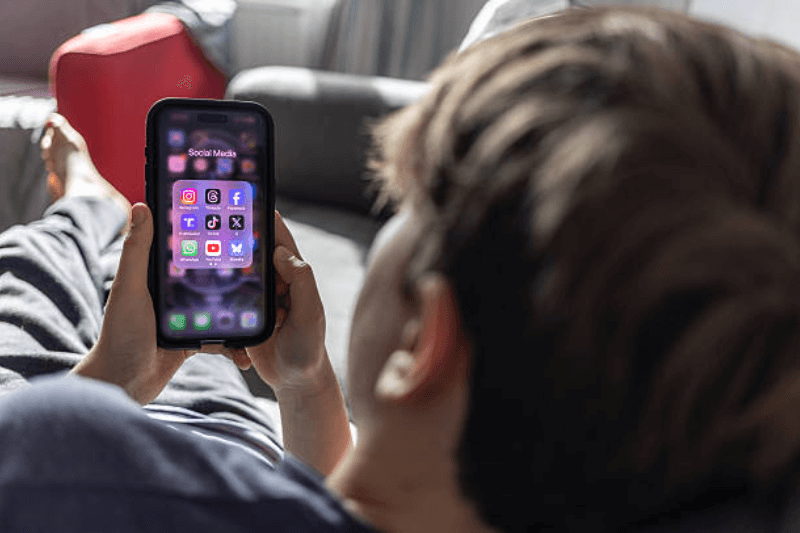
Australia has implemented a world-first ban on social media access for under-16s, triggering intense global debate about digital safety, parental rights, and freedom of expression. According to the new regulations, large platforms will have to bar the accounts of users under the age limit or secure verified parental permission, and violations of this rule will be strictly punished. Supporters argue the social media ban for under-16s is a necessary step to protect children from cyberbullying, exploitation, harmful content, and addictive design. The opponents, however, caution that there would be threats to privacy and the voice of the young people and that this would lead them to unregulated online areas rather than making the internet safer.
What the New Social Media Ban Involves
The policy of the Australian government demands that platforms should have more robust age-verification and active accounts removal mechanisms in place. Companies that fail to comply with the social media ban for under-16s face significant fines and potential legal action.
According to authorities, no one is meant to be punished as a teenager, but the responsibility of children safety is to be taken by tech firms. The ban is part of a wider digital safety agenda, including tighter rules on data collection, targeted advertising, and reporting harmful content.
Arguments for Child Protection and Digital Safety
Proponents of the ban point to the increasing amount of evidence that social media has a negative impact on the mental well-being of children, disturbing their sleep patterns, creating body image-related problems, and leading to cyberbullying. They say that the existing protection and community measures have not been effective.
To these proponents, the restriction of access by under-16s will provide more control to families and time to provide a more thorough education on digital literacy. They regard this move of Australia as an experimental one that might influence other nations to adopt the same experiment on child-protection.
Concerns About Rights, Access, and Enforcement
Opponents worry the policy may overreach by restricting freedom of expression and access to information for young people who use social media for learning, creativity, and community building. Civil liberties groups question how age verification will work without creating new privacy risks or surveillance tools.
Enforceability is also questionable. Teenagers with high technological skills might break the rules by using VPNs, false identities, or other applications, undermining the intended safeguards. The global debate now centers on whether bans, better design standards, or stronger education offer the most balanced path to digital safety in the social media era.

