Seeking Shangri-La in real life? Bhutan trips just got cheaper
The Himalayan kingdom of Bhutan is considered one of the most pristine – yet debatably expensive – places to visit on the planet. It’s the world’s first carbon-negative country as it absorbs more carbon dioxide than it produces, mainly because of its extensive forests.
Tight controls on tourism and high daily tourist fees have helped Bhutan preserve a traditional Buddhist culture that’s rapidly vanishing elsewhere. And in 2022, the prices doubled from an already high baseline, as the country opened its borders to travellers following COVID-19.
But now, almost a year after the sudden spike in costs, the Government of Bhutan has reduced the daily tourist fees significantly. If the Himalayan kingdom has long been on your bucket list, here is what you need to know about the updated fees. Read on.
How Different Is The New System Starting In September 2023?
Old System For Visiting Bhutan
Until last year, tourists entering Bhutan had to pay $250 for every day spent in the country, with the figure dropping to $200 in the low season. While some people found it expensive, the daily tourist fee covered accommodation, food, transport, guide fees and most other essentials.
The overall figure also included a $65 Sustainable Development Fee. But things changed in September 2022, as Bhutan re-opened for the first time since the onset of the pandemic. The Sustainable Development Fee rose to $200 per day, with additional charges for other essentials.
While tourists from neighbouring India paid lower fees, for most other visitors, Bhutan became an unattainable dream from a once-in-a-lifetime destination. The blow was soon softened by a series of discounts but as of September 2023, trips to Bhutan have got (much) cheaper.
Keep Reading
New System For Visiting Bhutan
As of September 1, the daily Sustainable Development Fee has been cut by 50% to a more affordable $100 per day. Children ages six to 12 will pay half of the daily current figure, while there is no fee for children aged five or under. It’s a substantial drop.
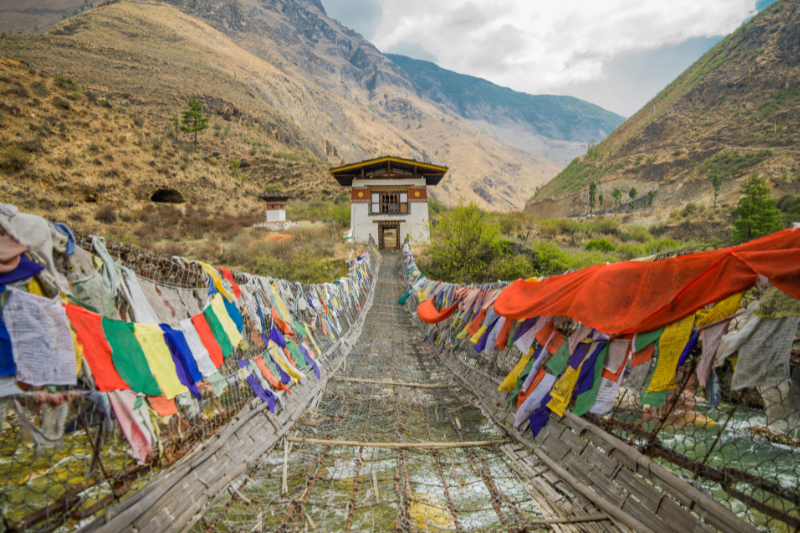
But visitors will still have to budget for a variety of essentials, including accommodation, meals, transport, guide fees and entry charges at monasteries and museums. Nevertheless, the debatably high expenses will get you access to a destination only lightly touched by tourism.
It’s true! While Bhutan received around 40,000 tourists in the first six months after the country re-opened following the pandemic, India saw more than four million arrivals over the same period and Nepal received nearly 50,000 visitors.
Are Travellers From India, Bangladesh And Maldives Vulnerable To Any Changes?
Visitors from the three Asian countries are subject to a different set of rules. People from India, who make up 73% of all tourists in Bhutan, can enter with a special permit available for a low daily fee of about $15. It’s available through the Bhutanese government’s visa portal.
Meanwhile, travellers from Bangladesh and Maldives must apply for a visa, on top of the same special daily fee. No changes have been announced to the system. So, if you seek a trip around immaculate mountain valleys and ancient fortress monasteries, don’t wait any longer.