

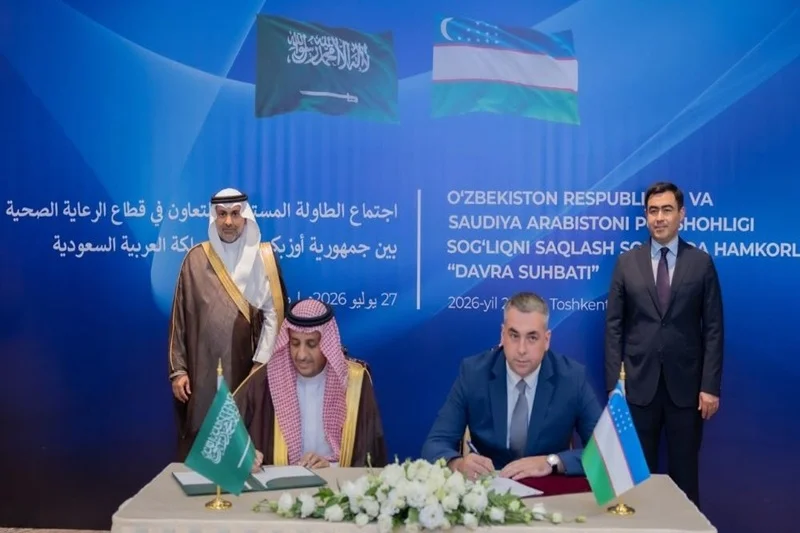
Saudi Arabia and Uzbekistan Sign New Health Partnership Agreements to Boost Medical Cooperation
Saudi Arabia and Uzbekistan have launched a new phase of their healthcare partnership with the signing of a series of partnership agreements to enhance medical services, expand digital health and bolster professional training. The move is part of a broader effort to modernise health systems and boost investment, innovation and the sharing of medical know-how. The agreements were signed during the official visit to Tashkent of the Saudi Minister of Health, Fahad AlJalajel, who met with senior officials of both countries to discuss long-term cooperation in the healthcare sector.
A New Chapter in Saudi-Uzbek Health Cooperation
The new agreements cover several key areas of healthcare including virtual medical services, digital health transformation, workforce development, health financing and medical education. One of the key agreements provides for cooperation between Seha Virtual Hospital of Saudi Arabia and the Ministry of Health of Uzbekistan to expand the provision of virtual healthcare services. The National Center for Health Insurance of Saudi Arabia and the State Health Insurance Fund of Uzbekistan are also working together to improve healthcare financing, professional training and joint medical research. Saudi organizations also signed a number of memorandums of understanding with Uzbek medical institutions to support digital transformation, capacity building and development of the healthcare workforce.
Focus on Technology and Medical Innovation
The digital healthcare focus is a key part of the partnership. Saudi Arabia has spent billions on telemedicine, artificial intelligence and digital health through its Vision 2030 reforms. The two countries hope to share their experience with Uzbekistan to improve access to healthcare, reduce delays in treatment and introduce more efficient medical services. They also discussed cooperation in pharmaceutical manufacturing, health care technology, innovation and sustainable public-private partnerships that could bring more investment to the medical sector.
Keep Reading: Discover More Expert Insights, Health Breakthroughs & Inspiring Stories
1. What Drives Your Best Performance?
Discover your motivation type and learn practical ways to boost productivity, career growth, and long-term success.
2. Could Insulin Pills Change Diabetes?
Explore the latest research on insulin pills and what doctors say about the future of Type 1 diabetes treatment.
3. How Did She Lose Weight?
Check out how this influencer lost 15 kg, maintained it for five years, and still enjoyed pizza and burgers.
4. Why Is Vikram-1 Historic?
Explore how Skyroot’s Vikram-1 launch marked a major milestone in India’s private space journey.
5. Are You Protecting Your Hearing?
Discover simple daily habits that can help prevent hearing loss and support better hearing for years to come.
Building on an Expanding Relationship
The deals are part of a growing alliance between Riyadh and Tashkent which has been steadily widening over the past few years. The relationship creates wider opportunities for healthcare collaboration and investment, said Saudi Health Minister Fahad AlJalajel. The officials also heard a report about the progress of the 800-bed Fergana Hospital project, being implemented with Saudi participation via Vision Invest within an international consortium. The hospital project shows how cooperation is moving from policy talks to building mega healthcare infrastructure.
Why These Agreements Matter
For regular folk, increased international healthcare collaborations translate into improved access to quality medical services, better hospital management and quicker access to state-of-the-art treatment technology. This could open up new training opportunities, knowledge exchange programmes and collaborative research for medical professionals. Incremental adoption of digital technologies may enable patients to have access to better telemedicine services and more efficient health systems. They could also help deepen economic links by encouraging investment in hospitals, pharmaceutical production and health technology firms in both countries.
FAQs
1. What treaties did Saudi Arabia, Uzbekistan sign?
The two countries signed agreements on virtual healthcare, digital health transformation, medical training, health financing, research and health care investment.
2. What do these healthcare agreements mean?
They aim to improve healthcare quality, enhance cooperation in the medical field, promote innovation, and increase investment in health services.
3. How does the partnership benefit patients?
Patients would benefit from digital healthcare, better hospital services, more qualified healthcare professionals and modern treatments.

