

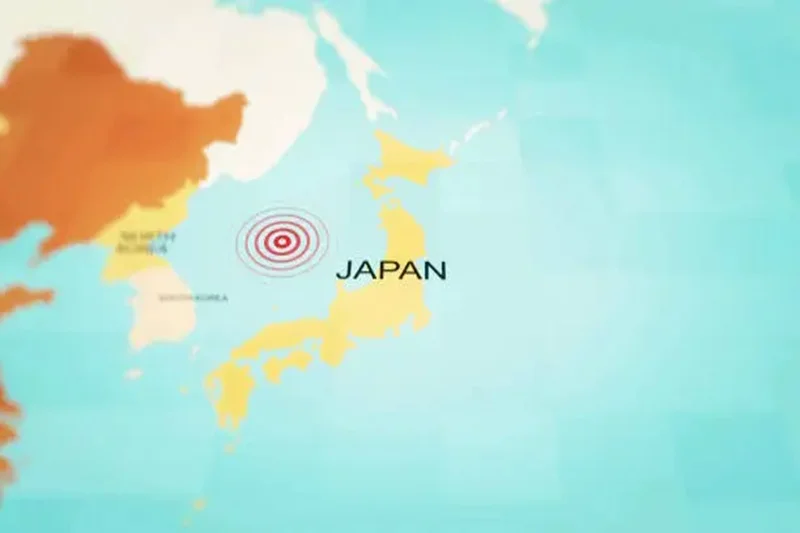
Powerful Earthquake Hits Japan, Triggering Tsunami Alerts and Raising Concerns Along the Coast
A powerful earthquake hit Japan, triggering tsunami warnings along parts of the country’s coastline and placing millions of people on emergency alert. The powerful quake was felt in several places, rekindling fears in a country that for a long time has lived under the constant threat of seismic disasters. Japan is one of the most earthquake-prepared countries in the world, but every major seismic event raises new questions about public safety, transportation, coastal infrastructure and the possibility of aftershocks. Emergency agencies moved quickly to assess damage, monitor the tsunami activity and warn people in vulnerable coastal areas to move to higher ground.
Tsunami Alerts Issued After Strong Earthquake
As a precaution, Japan’s meteorological agency issued tsunami warnings for coastal areas following the earthquake. Officials said even relatively small tsunami waves can create dangerous currents that could damage ports, boats and coastal facilities. Residents along the coast were warned to leave right away and to stay off beaches, harbors and river mouths until authorities said it was safe to return. Scientists stress that the initial wave is not necessarily the greatest, although tsunami alerts are issued frequently in the wake of large offshore quakes. There could be multiple waves over several hours, so it’s important to get out early.
Emergency Response Underway
Japan’s emergency services responded within minutes of the quake. Rail operators suspended sections of the high-speed bullet train service while engineers inspected tracks for damage. Safety checks were also carried out by airports, highways and public transportation systems. Local governments set up emergency operation centers and dispatched disaster response teams to survey the damage in communities affected by the storm. Officials are still monitoring reports of structural damage, landslides and potential disruptions to utilities such as electricity and communications.
Why Japan Faces Frequent Earthquakes
Japan sits along the Pacific Ring of Fire, one of the most seismically active regions on Earth. Several major tectonic plates converge beneath the country, making earthquakes a regular occurrence. Strict building codes, nationwide earthquake drills, and one of the world’s most advanced tsunami warning systems have significantly reduced casualties during many disasters. Nevertheless, powerful earthquakes remain unpredictable and can still cause widespread disruption. The country continues to invest heavily in disaster preparedness, early warning technology, and public education to improve resilience against future seismic events.
Keep Reading: Discover More Expert Insights, Health Breakthroughs & Inspiring Stories
1. What Drives Your Best Performance?
Discover your motivation type and learn practical ways to boost productivity, career growth, and long-term success.
2. Could Insulin Pills Change Diabetes?
Explore the latest research on insulin pills and what doctors say about the future of Type 1 diabetes treatment.
3. How Did She Lose Weight?
Check out how this influencer lost 15 kg, maintained it for five years, and still enjoyed pizza and burgers.
4. Why Is Vikram-1 Historic?
Explore how Skyroot’s Vikram-1 launch marked a major milestone in India’s private space journey.
5. Are You Protecting Your Hearing?
Discover simple daily habits that can help prevent hearing loss and support better hearing for years to come.
Public Reaction and Economic Impact
News of the earthquake quickly spread across social media, with residents sharing videos of shaking buildings, swaying power lines, and evacuation efforts. Financial markets also watched developments closely, as major earthquakes can temporarily affect manufacturing, logistics, tourism, and supply chains. Japan plays a critical role in global automotive, semiconductor, and electronics industries, meaning prolonged disruptions could have international consequences. For businesses located near coastal areas, temporary closures and transportation delays may affect production schedules until infrastructure inspections are completed.
FAQs
1. Why was a tsunami alert issued after the Japan earthquake?
Tsunami alerts are issued after strong offshore earthquakes because underwater seismic activity can generate dangerous waves that threaten coastal communities.
2. Is Japan prone to earthquakes?
Yes. Japan lies on the Pacific Ring of Fire, where multiple tectonic plates meet, making it one of the world’s most earthquake-prone countries.
3. Are aftershocks expected after a major earthquake?
Yes. Large earthquakes are commonly followed by aftershocks that can continue for days or even weeks.

