

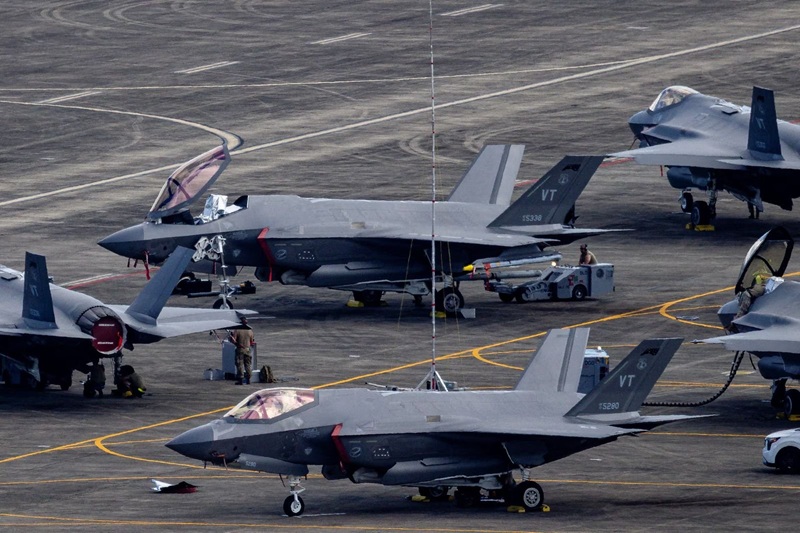
US F-35 Sale to Saudi Arabia: Why the $24.3 Billion Fighter Jet Deal Is Controversial
The U.S. just cleared a path for Saudi Arabia to buy something it’s wanted for years: the F-35. On September 17, the State Department gave the green light on a potential $24.3 billion deal covering up to 48 F-35 Lightning II jets, 49 Pratt & Whitney engines, plus the training, spare parts, and logistics support that come with operating one of the most advanced fighter jets on the planet. Congress still has to weigh in before anything’s final, but if the deal goes through, Saudi Arabia would become the first Arab nation to fly the F-35, a genuine milestone for the kingdom’s air force.
What’s actually in the package
Strip away the politics and it’s a straightforward hardware deal: 48 aircraft, 49 engines, and everything needed to keep them flying training programs, spare parts, communications gear, the works. The F-35 itself is a fifth-generation stealth fighter, built to fly under the radar (literally) with sensor and networking capabilities that put it in a different league from older jets. But approval isn’t delivery. Even in the best-case scenario, getting these jets into Saudi hands is a years-long process.
So why is this such a big deal?
Two words: Israel and China. For decades, Washington has made a quiet promise to Israel that it’ll always maintain a “qualitative military edge” over its neighbors. Right now, Israel is the only country in the Middle East flying F-35s. That’s not an accident; it’s policy. So the idea of Saudi Arabia joining that club, even with the State Department insisting it won’t tip the regional balance, is the kind of thing that makes people in Washington and Tel Aviv sit up.
Then there’s the China question. Saudi Arabia has been cozying up to Beijing militarily and technologically for a while now, and that’s got people nervous. The F-35 isn’t just a plane, it’s a flying network of classified software, sensors, and systems. Handing that over to a country with deepening ties to China raises real questions about whether that technology stays secure. U.S. officials say every arms deal goes through rigorous security vetting, but the concern hasn’t gone away just because they said so.
Why Saudi Arabia wants it anyway
From Riyadh’s side, this is about modernizing a military that’s had to think seriously about defending its territory and infrastructure in a volatile region. The State Department has framed the sale as a way to boost Saudi Arabia’s ability to defend itself in the air, both against other aircraft and ground threats, while making it easier to operate alongside American and allied forces.
It also fits into a much bigger picture Washington and Riyadh have been steadily deepening ties across defense, energy, tech, and investment, and this deal is very much part of that push, particularly under the Trump administration’s broader courtship of Saudi Arabia.
What happens from here
Nothing is locked in yet. Congress gets its say, and lawmakers haven’t been shy in the past about scrutinizing U.S.-Saudi arms deals whether over the war in Yemen, human rights concerns, or other flashpoints. Beyond the political hurdles, there are just plain logistical ones: production timelines, pilot training, infrastructure to actually house and maintain these jets.
Bottom line: this is a real shift in how the Middle East’s airpower balance could look in the coming years, but it’s not a done deal. How it plays out depends on Congress, on the fine print of what Saudi Arabia actually receives, and on how well Washington can manage the security worries swirling around it.
FAQs
1. How much is the Saudi F-35 deal worth?
The proposed deal is valued at approximately $24.3 billion and includes up to 48 F-35 aircraft, 49 engines and related equipment and support.
2. Will Saudi Arabia definitely receive the F-35 jets?
Not yet. The State Department has approved the potential sale, but it still faces congressional review and other steps before completion.
3. Why is Israel concerned about the deal?
The F-35 is an advanced stealth fighter, and Israel currently operates the aircraft in the Middle East. The sale therefore raises questions about Washington’s policy of preserving Israel’s qualitative military edge.
4. Could China be a concern?
Yes. Saudi Arabia’s growing military and technology ties with China have raised concerns about protecting sensitive U.S. defense technology.
5. When could Saudi Arabia receive the F-35s?
Even if the sale is approved, deliveries would likely take several years because of production, training and infrastructure requirements.
Related Articles You May Find Interesting
Why Did Crypto Clarity Act Fail?
Check out the key reasons the cryptocurrency bill failed to advance in the US Senate.
Who Are Trump’s New Envoy Picks?
Find out about Wesley Hunt and Kimberly Greenwood’s new diplomatic appointments.
Why Did US Expand Iran Sanctions?
Uncover the networks targeted by the latest US sanctions over alleged support for Hezbollah and Iraqi militias.
How Could Financial Power Shape Markets?
Explore Scott Bessent’s views on using financial power as a foreign policy tool and its global impact.
What Happened in Turmus Ayya?
Dive into the US ambassador’s West Bank visit amid rising settler violence in Turmus Ayya.

