Remembering the Srebrenica Genocide: Truth, Denial, and the Pursuit of Justice
The genocide in Srebrenica, which occurred on July 11, 1995, serves as a sombre reminder of one of the worst periods in modern European history. The events of the Bosnian War, the failure of international action, and the subsequent denial of the genocide by various countries are all discussed in this article. To create a more equitable and humane world, it highlights the value of accepting the truth, combating denial, and seeking justice.
The Safe Areas and Dutch Peacekeepers
The United Nations established a number of “safe areas” in 1993, during the Bosnian War, to shield Bosniak refugees. One such safe enclave was Srebrenica, which is situated in eastern Bosnia. A group of 600 Dutch peacekeeping soldiers were assigned to secure the area.
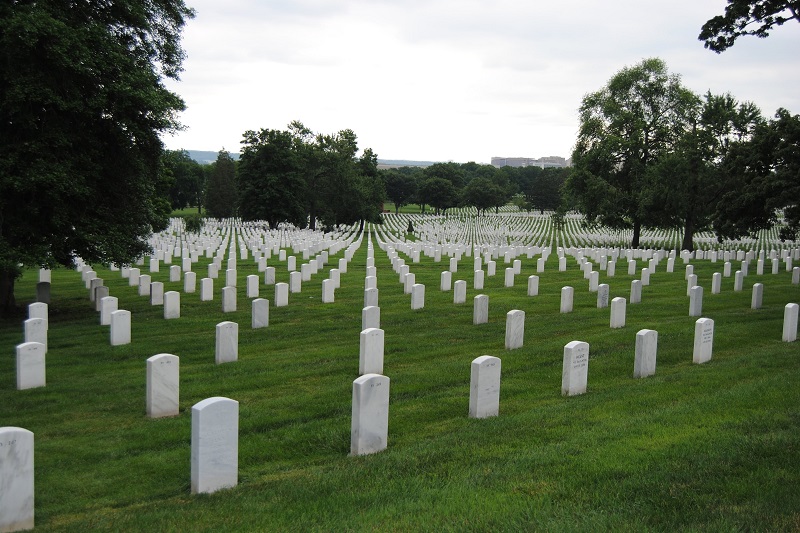
Tragically, the Dutch soldiers were powerless to stop the atrocities after Ratko Mladic’s Bosnian Serb forces captured Srebrenica on July 11, 1995. More startlingly, they gave up their guns and turned over to Mladic’s soldiers the helpless Bosniak youths and men they were supposed to guard. Over the course of the following week, the Serb Army ruthlessly killed 8,372 unarmed Bosniak youths and men. This remains the most significant civilian killing in Europe since World War II.
Failures and Accountability
The UN mission in Bosnia, commanded by the Netherlands, fell short of its objectives, and its flaws were thoroughly examined. Upon being found to be at fault for the catastrophe following a five-year investigation, the Dutch government resigned in 2002. A Hague district court also held the Dutch government accountable in 2014 for the fatalities at Srebrenica. The Hague Appeals Court and the Netherlands Supreme Court later upheld this judgment.
Keep Reading
The Dutch government formally apologised to the victims’ relatives in 2022 and accepted responsibility for the disaster. This admission of guilt is a vital step on the road to forgiveness and holding offenders responsible for their deeds.
Genocide Recognition and Denial
The Srebrenica massacre was deemed a genocide by the International Court of Justice in 2007. Despite this overwhelming proof, some governments, including Serbia and Russia, continue to deny the Serb Army’s crimes in Bosnia. Denying the existence of genocide impedes efforts to bring about peace in the western Balkans and makes it more difficult for Serbia and Bosnia to join the Euro-Atlantic region. Denying the existence of genocide feeds a cycle of dehumanisation and prevents both the victims’ and perpetrators’ families from reconciling. Denial also falsifies history, disseminates false information, and promotes hostility, all of which can serve as the basis for future government decisions. Russian denial of the Holodomor, Turkish denial of the Armenian Genocide, and Iranian denial of the Holocaust are all instances of genocide denial. This refusal impedes the administration of justice and gives war criminals a way to escape punishment.
It is essential that the truth triumph over lies to create a more just and compassionate world. Upholding international law, encouraging accountability, and preventing such crimes depend on acknowledging previous atrocities, combating denial, and seeking justice. Society may respect the victims’ memory and comfort the survivors and their families by facing the truth.
The Srebrenica genocide is remembered on July 11 as a sobering reminder of the horrors done during the Bosnian War. The inability of the international community to defend the defenceless and later denial of the genocide by some nations serve as a stark reminder of how crucial it is to accept the truth, combat denial, and seek redress. By doing this, we can create a more just, compassionate, and peaceful world where the lessons learnt from the darkest periods of history assist to create a better future.