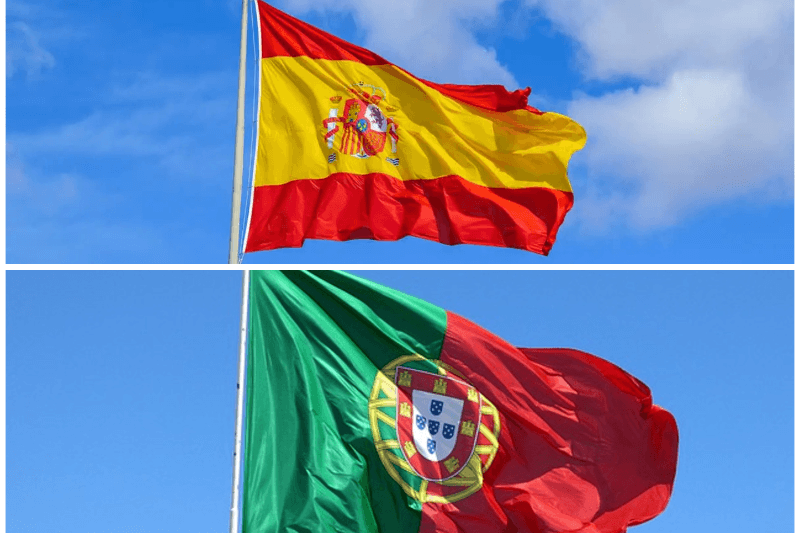
Portugal Digital Nomad Visa vs Spain Digital Nomad Visa: 2026 Updates
European countries continue to be the leaders in establishing themselves as locations for digital nomadism. In 2026, Portugal and Spain remain at the very top of the rankings. Each country has a legal residency option for the digital nomad, strong quality-of-life factors, and provides access to the Schengen zone; however, updates made recently to the income requirements, taxes, and residency rules to qualify will produce some key differences between the two countries.
This guide will give you an easy way to see which country would be best for you, depending on where your priorities are, such as money, flexibility, and long-term plans.
Income Requirements and Eligibility in 2026
As of 2026, Spain raised its minimum income requirement and now has a minimum income requirement of approximately €2,849/month. This puts Spain amongst the easiest European countries for digital nomads, meaning more digital nomads can qualify under the new minimum criteria and for temporary residency if they meet the newly budgeted amount.
Portugal’s minimum income requirement is higher than that of Spain at an estimated range of anywhere between €3,480-€3,680/month. The new income amount is approximately four times the legal minimum wage in Portugal. However, a significant difference in the structure of how applications are processed can be seen in that Portugal is, in general, more lenient with regard to qualifying income levels (more flexible qualifications) while emphasizing income stability rather than formal education credentials.
Visa Duration, Residency, and PR Pathways
While both countries will provide a long-term residency option for you, there are slight differences in the structure of how they offer that residency. With Portugal’s D8 Digital Nomad Visa, you can start with a Short-term Temporary Visa that converts into a Residence Permit for a maximum of two (2) years with possible extensions for up to five (5) years. After the five-year period expires, you may apply for permanent residence (PR) status.
Taxes, Lifestyle, and Cost of Living
Spain’s Beckham Law gives it an edge in 2026 by allowing digital nomads (and hence many other foreigners) the choice between a fixed income tax rate of 24% for the first four to six years they are resident in the country. This creates a very incentive to the very wealthy, as for many of them (and foreigners in general), there are no tax consequences associated with earning an income from sources outside of Spain.
In contrast to Spain, Portugal has a more traditional tax model with income taxation rates that range from 14% to 48%, depending on the income received. While Portugal has historically enjoyed a reputation for providing tax-related perks, recent changes have made it less competitive for foreign residents.
Final Verdict: Which One Should You Choose?
Your final decision regarding Portugal versus Spain will most likely be dependent upon your personal priorities. If you are seeking lower requirements for income levels, greater income tax savings and access to larger cities and an increased number of opportunities, Spain would be your best choice in 2026. Spain will be particularly attractive to freelancers and high-income remote employees who are looking to optimise their tax situation.
FAQs
1. Which visa is easier to get in 2026?
Spain is easier financially due to lower income requirements, but Portugal may be simpler in terms of documentation.
2. Which country has better tax benefits?
Spain offers better tax advantages through the Beckham Law.
3. Is Portugal cheaper than Spain?
Yes, Portugal generally has a lower cost of living.4. Can I get PR in both countries?
Yes, both offer permanent residency after around 5 years.