

Poland’s Defence Push: How Home-Grown Weapons Are Powering Europe’s Biggest Army
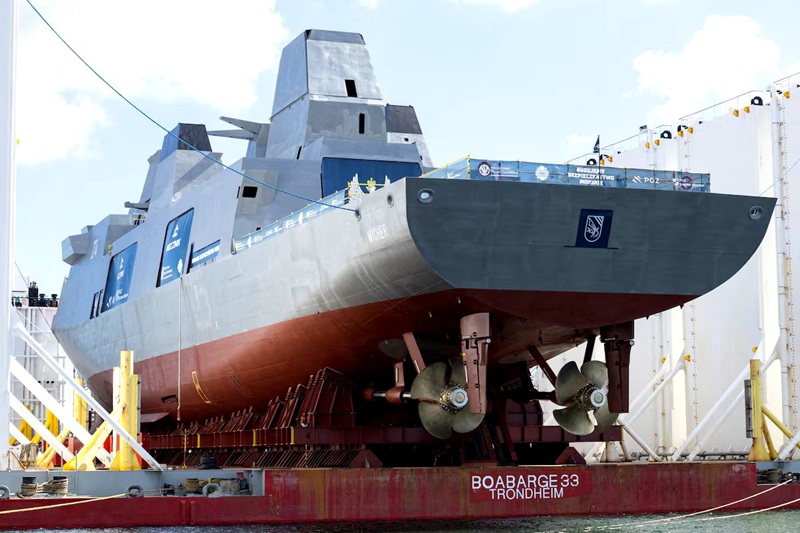
Something quietly significant is happening in Poland. While most of Europe still leans heavily on foreign arms suppliers, Warsaw has decided it doesn’t want to be caught short again. The country is pouring money into its own factories, its own ammunition lines, its own drone makers building the industrial muscle to arm what’s already become the biggest land army in the EU.
The Numbers Tell the Story
In 2025, Poland spent 30.4 billion zlotys about $8.15 billion buying weapons from domestic companies and Central European joint ventures. That’s nearly four times what it spent just three years earlier, in 2022. Why the sudden urgency? Because the war next door has taught a brutal lesson: in a real conflict, you burn through ammunition, drones, and equipment far faster than anyone expects. Sitting next to Russia and watching Ukraine fight for survival has made Polish planners obsessive about one question: what happens if the supply lines get cut? The answer they’ve landed on is simple: build the capacity to make, fix, and restock your own weapons, rather than waiting on a ship or a factory thousands of miles away.
Shells, Drones, and Missiles
Artillery shells are priority number one. Poland has been ramping up its 155mm ammunition production, backed by EU funding, and in May 2026 it locked in a major ammunition deal under the bloc’s SAFE programme. Drones are another big story. Ukraine has shown the world just how much damage a fleet of cheap, disposable unmanned aircraft can do for surveillance, for targeting, for direct strikes and Poland wants that capability built at home rather than bought abroad. The country is also reaching for more serious hardware. Just this past July, Polish defence firms PGZ and WZL 2 struck a deal with the American company Anduril to assemble and eventually manufacture Barracuda-500M long-range cruise missiles right in Poland.
Foreign Tech, Polish Factories
None of this means Poland is turning its back on outside partners. It’s still buying big-ticket systems from the U.S. and South Korea. But the terms have changed: Warsaw now wants those deals to come bundled with technology transfers and local manufacturing, not just finished products shipped in from elsewhere. It’s working, at least on paper the government estimates up to 89% of the money flowing through the EU’s SAFE programme could end up going to Polish industry, a windfall that could touch thousands of local companies.
Discover the stories making headlines, sparking curiosity, and shaping conversations worldwide.
1. Can London Break Vulcan Salute Record?
Check out how Star Trek fans are targeting a world record in London.
2. Are COSCO Ships Gathering Military Intelligence?
Find out why US officials are raising serious concerns about COSCO ships.
3. Ready to Explore America’s Haunted Hotels?
Experience five of America’s most haunted hotels for an unforgettable paranormal stay.
4. How Bad Is Ukraine’s School Crisis?
Uncover how Russian strikes destroyed millions of books ahead of Ukraine’s new school year.
5. What Triggered Nepal’s Catastrophic Floods?
Dive into how a glacial collapse triggered devastating flash floods along the Nepal-China border.
A Military Transformed
The scale of the buildup is hard to overstate. According to IMF figures, Poland’s armed forces have nearly doubled in five years from about 116,200 troops in 2020 to roughly 233,800 in 2025. That makes it the largest standing army anywhere in the European Union. Money has followed the same trajectory. Poland’s 2026 defence budget, plus related military spending, adds up to around 200 billion zlotys about 4.8% of GDP, a share few other European countries come close to. There’s an upside for the economy: more contracts for Polish manufacturers, more skilled jobs, more investment flowing into industrial infrastructure. But it isn’t free. All that spending is straining the government’s finances, and defence costs are being flagged as one of the main drivers behind Poland’s budget deficit.
A Blueprint for the Rest of Europe?
Poland’s approach of building it yourself, but not refusing outside help could end up as a template for other European countries trying to claw back manufacturing capacity after decades of outsourcing their defence industries. The open question is whether Polish factories can scale fast enough to keep pace with demand, without cutting corners on quality or breaking compatibility with NATO’s wider systems. But the underlying logic in Warsaw is no longer really in dispute: having a big army isn’t enough. What matters just as much is whether you can keep that army supplied when it counts.
FAQs
1. Why is Poland increasing domestic defence production?
Poland wants to reduce reliance on distant suppliers and ensure it can rapidly replace ammunition, drones and military equipment during a crisis.
2. Is Poland building Europe’s largest army?
Poland now has the largest standing military in the European Union, according to IMF estimates, with more than 230,000 personnel in 2025.
3. What weapons is Poland producing domestically?
Domestic efforts include artillery ammunition, drones, missiles and other military systems, alongside maintenance and production partnerships with foreign defence companies.
4. How much is Poland spending on defence?
Poland’s 2026 defence spending and related military funding is around 200 billion zlotys, or approximately 4.8% of GDP.
5. Why does Poland’s military expansion matter to Europe?
A stronger Polish military and defence industry could strengthen NATO’s eastern flank and contribute additional production capacity to Europe’s broader defence effort.

