Pirate Flags and Protest: How Indonesia’s Youth Are Using Anime to Signal Resistance
In a striking and unconventional form of protest, Indonesians across the country have begun flying a black pirate flag bearing a straw hat-wearing skull, famously known as the Jolly Roger from the Japanese anime ‘One Piece’.
Originally a fictional emblem of freedom and rebellion, the flag has become a grassroots symbol of discontent among Indonesians ahead of their 80th Independence Day on August 17. Raised from rooftops to motorcycles, it’s a cultural metaphor turned political message: the government, not colonisers, is now the object of resistance.
Why the Jolly Roger Became a Flag of Protest?
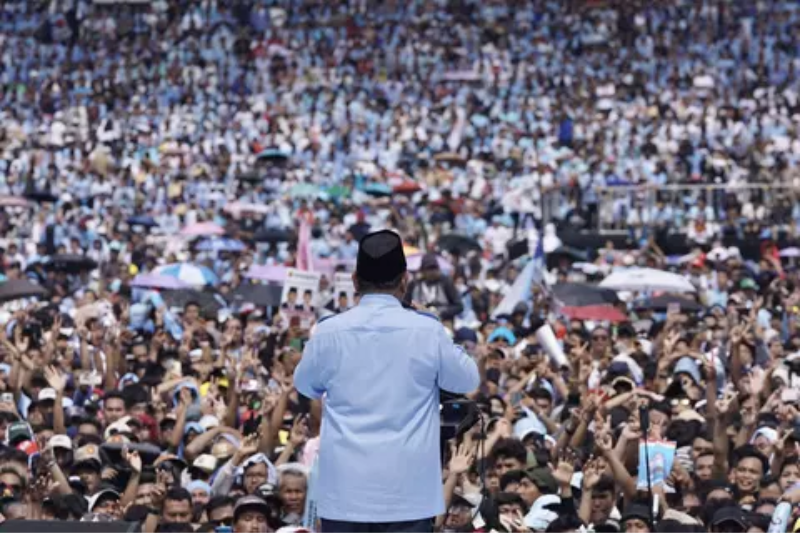
The Jolly Roger didn’t emerge in a vacuum, it rose in reaction to deepening dissatisfaction with Indonesia’s political climate, particularly under President Prabowo Subianto. A former general with a controversial human rights past, Prabowo succeeded Joko Widodo in 2024 amid increasing concerns over democratic backsliding, military empowerment, and centralised control.
Public frustration reached a boiling point in late July, when President Prabowo urged Indonesians to raise the national red-and-white flag to honour fallen heroes ahead of Independence Day.
But for many, especially younger citizens and those in marginalised communities, this felt like hollow patriotism. They viewed the gesture as a symbolic deflection from rising inequality, legislative overreach, and the expanding military presence in civil affairs.
Many Indonesians believe the promise of independence has not been realised in everyday life. As one protester in Papua put it: “Even though this country is officially independent, many of us have not truly experienced that freedom in our daily lives.”
The anime, with its themes of rebellion against oppressive regimes, resonated. It provided an accessible and powerful alternative narrative: one of defiance, unity among outcasts, and the pursuit of real freedom.
Platforms like TikTok and Instagram saw an explosion of content featuring the Jolly Roger, often accompanied by captions expressing political discontent. Some users edited official government posters to include the pirate flag. Others physically hoisted the black-and-white symbol alongside or in place of the national flag,a move that sparked fierce political debate and warnings of treason.
Government Reaction and Constitutional Lines
The response from Indonesia’s government has been fragmented as high-ranking officials like Deputy House Speaker Sufmi Dasco Ahmad condemned the trend as a “coordinated attempt to divide the nation.” Another lawmaker went as far as to label the act “treasonous.” These harsh criticisms sparked fears of a crackdown.
However, not all reactions have been severe. The president’s office later stated that Prabowo had “no objection” to the flag being used as a form of “creative expression”,as long as it didn’t diminish the red-and-white national flag’s symbolic authority. Government guidelines also stress that the national flag must always fly higher than any other banner, including fictional or protest flags. Violating these flag protocols, especially on national holidays, could technically lead to legal consequences under Indonesia’s flag code.
Police departments in areas like Jakarta and Banten have confirmed they are monitoring the flag’s use, though enforcement remains inconsistent. Officers have so far adopted a “persuasive and educational” approach, urging compliance rather than resorting to arrests or fines. Yet some regions, such as Belitung, have warned against using the flag altogether during Independence Day celebrations.
Interestingly, areas like Bali have shown more tolerance. Officials there declared the flag permissible, provided it doesn’t infringe on national laws or overshadow the importance of the red-and-white flag. The varying enforcement across regions highlights a national tension: between a government trying to assert its authority and a population testing the limits of free expression.
A Symbolic Stand in a Legal Grey Zone
While no laws explicitly prohibit fictional flags like the Jolly Roger on private property, their visibility,particularly near the national flag,tests the boundaries of Indonesia’s civic decorum. With Independence Day fast approaching, the use of the pirate flag is becoming a symbolic standoff. Authorities have issued mixed signals, shifting between defending national dignity and cautiously accepting protest as democratic expression.
The result? A legal and cultural grey zone. Traders report receiving thousands of orders for the flag, even as others hesitate to stock it, fearing confiscation. No legal action has yet been taken, but government warnings suggest that any overt disrespect or misplacement of the national flag could change that quickly.
For many, the flag’s staying power lies in its subtlety and symbolism. It is not an overt act of violence or rebellion, but a quiet yet powerful cultural protest. One Piece’s Jolly Roger, once a fictional call to adventure, now flies as a banner of real-world resistance in the world’s third-largest democracy, a reminder that freedom is as much about expression as it is about sovereignty.