

North Korea Fires Multiple Missiles: What Does the Latest Weapons Test Mean for US Security?
Most Americans won’t lose sleep over a missile fired halfway around the world. People in South Korea and Japan don’t have that luxury. After this weekend’s North Korea missile launch, the question back home is a fair one: should the rest of us be paying closer attention?
What Happened This Weekend
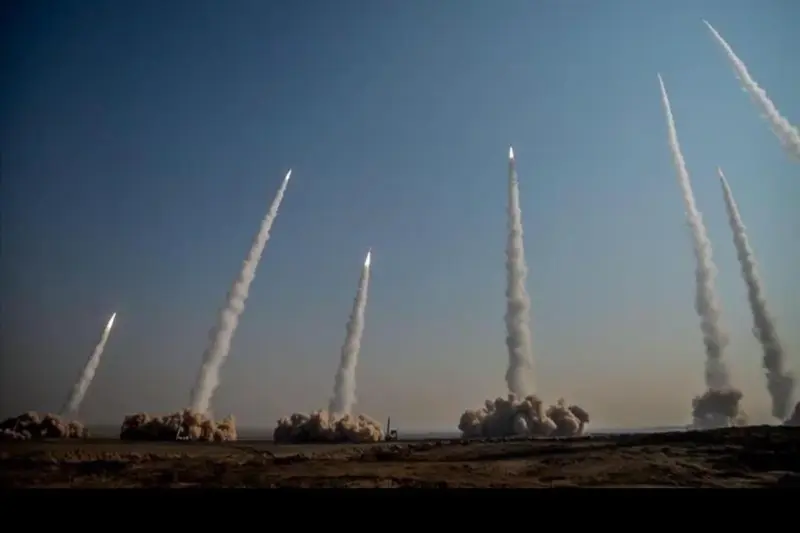
On Saturday, Oct. 31, North Korea fired a missile from the Jeongju area, roughly 54 miles northwest of Pyongyang, toward the East Sea. State media claims it carried a new cluster-bomb warhead built to devastate a target zone of 30 to 32 acres.
It wasn’t a one-off. Two days earlier, Pyongyang reportedly fired about 10 short-range ballistic missiles off its east coast, and Stars and Stripes counts Saturday as the fifth known launch day this October.
Why Now? Look at the Calendar
Timing tells part of the story. The U.S. and South Korea held a drill called Iron Mace from Sept. 29 to Oct. 2, and their Freedom Flag air exercise began Oct. 26. Reports say the first drill practiced pairing American nuclear capabilities with South Korean conventional forces.
A North Korean general responded by calling the nuclear drill a rehearsal for war and vowing to strengthen the country’s nuclear forces. In short, these launches are part weapons test, part warning.
Does This Threaten the US Directly?
Not directly. The weapons in the latest tests are short-range and tactical. They’re built to hit targets in South Korea and Japan, not American cities.
But “not directly” isn’t the same as “not at all.” Tens of thousands of U.S. troops are stationed in South Korea, and Japan hosts major American bases. Those sit well inside the range of these missiles.
Why a Cluster Warhead Matters
Instead of one big blast, a cluster warhead scatters smaller bomblets over a wide area. For military planners, that raises concerns about airfields, supply depots and troop concentrations, the places a conflict would hit first. It could also make defending a base harder.
What It Means for Everyday People
For families in the region, repeated launches mean constant background anxiety. For Washington, they mean pressure to keep costly defenses and alliances strong. They also force a harder question: how much to talk with a government that keeps saying its nuclear path won’t change?
What to Watch Next
The Freedom Flag runs through Friday. Watch how Pyongyang reacts, and whether its tests move beyond short-range weapons. For now, this is a serious signal rather than a crisis, but one worth tracking.
Explore South Korea’s Growing Global Influence in Security, Technology, Travel, and Beauty
How Are Asian Alliances Reshaping Regional Security?
Explore how Japan, South Korea, and regional partners are rethinking security strategies in 2026.
Can South Korea Challenge the Global AI Race?
Discover how Seoul’s $3.5 billion frontier AI plan could influence the future of global technology.
What Led to the Unification Church Sentence?
How Did Incheon Airport Surpass Heathrow?
Why Is Korean Beauty Taking Over Globally?

