Atlantic Hurricane Season 2026: What Does NOAA’s Latest Update Reveal?
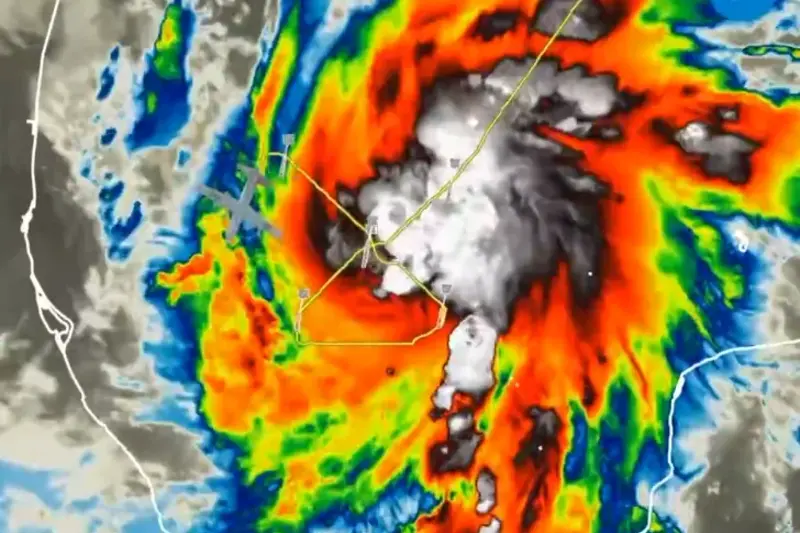
Not a single hurricane. As of late September, the Atlantic had produced only six named storms and zero hurricanes, and it was the first season in 112 years to reach that date without one. For a basin that has given us Ian and Milton, the silence feels almost eerie. So what is NOAA actually saying, and should you relax?
What NOAA’s Latest Update Says
NOAA’s August 6 update kept its forecast for a below-normal season, with a 75% chance of that outcome, 20% near-normal and just 5% above-normal. The ranges are 7 to 13 named storms, 2 to 6 hurricanes and 0 to 2 major hurricanes, so it’s possible none will reach Category 3. A typical season brings 14 named storms, seven hurricanes and three major ones.
Why Is the Atlantic So Quiet?
Blame El Niño. This warming of Pacific waters increases wind shear across the Atlantic, tearing apart developing systems before they can strengthen. NOAA lead forecaster Matt Rosencrans said that once El Niño emerges, it usually becomes the dominant factor, and this one keeps getting stronger.
The Pacific Gets the Action
The flip side is that NOAA expects 15 to 22 named storms in the Eastern Pacific, well above average. The same warm water that helps there suppresses storms here.
The Season So Far
Only two named storms had formed by August, Arthur and Bertha, both in the Gulf. Arthur still hit hard, bringing record rainfall to parts of Louisiana and spawning tornadoes along the Gulf coast. By late September, the count had climbed to six, still with no hurricanes.
Why It Matters, Even in a Quiet Year
A low count isn’t a safety guarantee. In 1992, only six named storms formed, yet one of them was Andrew, which became the nation’s most expensive natural disaster at the time. NOAA’s outlook is about total activity, not a landfall forecast.
National Weather Service Director Ken Graham made a similar point about Arthur: inland rainfall is a major cause of damage, so prepare even for storms that never reach hurricane strength. Think of it like a road trip. A low chance of rain doesn’t mean you leave the umbrella at home.
For households and insurers, the real risk is complacency. A calm summer can tempt people to skip supplies, ignore evacuation zones or put off roof repairs. And the season officially runs through November 30, so late storms are still possible.
What You Can Do Now
Check your flood risk, restock your emergency kit and review your family plan at weather.gov/safety and Ready.gov. It takes an afternoon and costs little. The data says this has been a quiet year. History says it only takes one storm to change that.
Explore the Climate Risks, Wildlife Discoveries, and Global Developments Shaping Our World
Could Super El Niño Change America’s Winter?
Discover how the 2026–27 El Niño pattern could affect US temperatures, storms, and winter weather.
Why Are Sea Turtles Nesting California?
Could El Niño Cause Hundreds of Thousands of Deaths?
Why Is the Hurricane Forecast Cone Changing?
Find out how the National Hurricane Center’s 2026 forecast cone update could improve storm tracking.
What Is the EU Discussing Globally?